
Cart 0

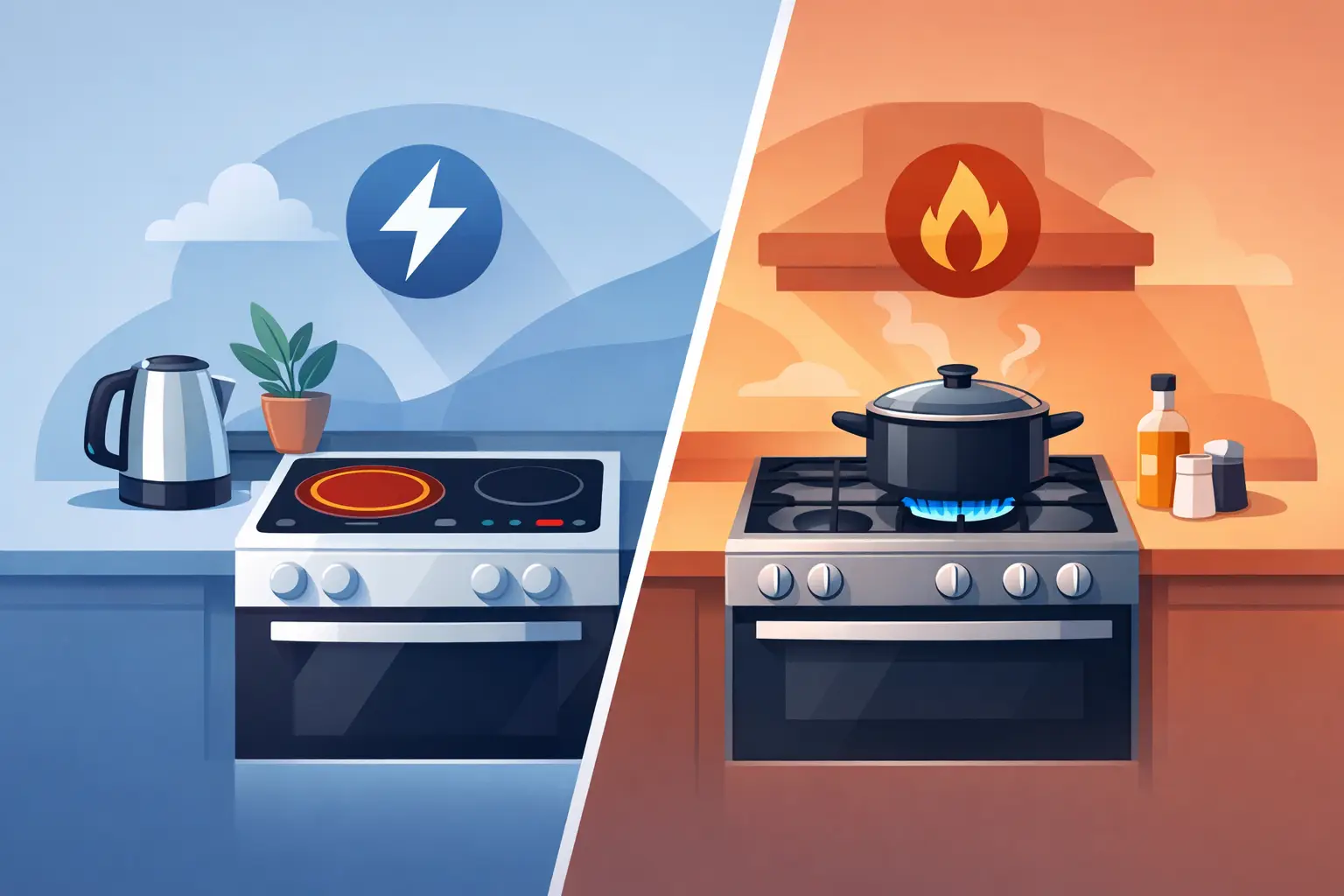
A gas flame has long been the familiar center of a busy kitchen – visible, responsive, and ready for everything from morning eggs to a family-sized stir-fry. But as homeowners rethink safety, design, and energy use, one question keeps coming up: can an electric cooker replace gas? For many kitchens, the answer is yes. The better question is whether the electric cooking technology, cookware, and power supply match the way you cook.
Electric cookers are no longer simply the slow coil units many people remember. Modern radiant and induction models offer precise heat settings, smooth surfaces, and a clean built-in look that fits naturally into contemporary homes. For restaurants and high-volume kitchens, electric cooking can also bring greater consistency and a more comfortable work environment. Still, gas retains real advantages for certain cooking styles.
Can an Electric Cooker Replace Gas for Everyday Cooking?
For everyday meals, an electric cooker can absolutely replace a gas cooker. Boiling pasta, simmering soups, pan-frying chicken, preparing sauces, and keeping dishes warm are all tasks electric cookers handle reliably. The cooking experience may feel different at first, especially for cooks used to judging heat by the size of a flame, but the results can be equally satisfying.
The strongest replacement option is usually induction. It uses magnetic energy to heat compatible cookware directly rather than heating the surrounding surface first. That means water can boil quickly, pans respond rapidly to power changes, and less heat spills into the kitchen. After a long dinner service or a weekend gathering, that difference is easy to appreciate.
Radiant electric cookers, often made with a smooth ceramic-glass surface, are another practical choice. They are easy to wipe down and work with a wider selection of cookware than induction. Their heat changes are generally less immediate than gas or induction, so they reward cooks who allow a little extra time for a pan to warm up or cool down.
Traditional electric coil cookers remain functional and affordable, but they typically offer less refined temperature control and take more effort to clean. If the goal is a modern kitchen that feels elegant as well as capable, a smooth electric or induction surface is usually the more compelling step forward.
Where Electric Cooking Performs Better
An electric cooker is not just a substitute for gas. In the right kitchen, it improves the daily routine. Induction is especially effective for households that cook often but want faster cleanup and more controlled heat. A low setting can hold a delicate sauce with less guesswork, while higher power can bring a stockpot to a boil without waiting around the stove.
Safety is another meaningful advantage. With no open flame and no combustion from the cooktop itself, electric cooking can reduce several common concerns in family kitchens. Induction surfaces also stay comparatively cooler around the pan, although the glass beneath a hot pot can still retain heat. This can be helpful when children are nearby or when several people are preparing food together.
The smooth profile of many electric cookers also supports a more refined kitchen design. Without grates, burner caps, and crevices, the surface is simpler to maintain between meals. A quick wipe after cooking can keep the space looking ready for guests, which matters in open-plan homes where the kitchen is part of every moment of sharing.
For commercial operations, electric equipment can help create a cooler, cleaner line in kitchens where heat management is a constant challenge. It may also simplify cooking consistency across staff members. A repeatable heat level is valuable when a restaurant needs the same result through a busy lunch rush and a full evening service.
The Gas Advantages Worth Keeping in Mind
Gas is still a strong choice when cooking methods depend on direct flame. Stir-frying in a round-bottom wok, charring peppers, toasting tortillas, and rapidly moving a pan on and off high heat can feel more natural over gas. Many experienced cooks also enjoy the immediate visual feedback of adjusting a flame.
Gas works with nearly every type of cookware, including warped pans that may not sit ideally on a flat electric surface. It also continues to operate during a power outage if the unit can be lit safely according to its instructions, while most electric cookers require electricity to function.
For commercial kitchens, high-output gas burners can remain the right tool for flame-driven menus and demanding wok stations. The decision should reflect the food you serve, not just the appliance trend. A kitchen specializing in sautéed dishes and stock-based cooking may transition comfortably to electric, while a concept built around open-flame cooking may benefit from keeping gas in key areas.
Cookware and Power: The Two Details That Decide Everything
Before replacing gas, check your cookware. Induction requires pots and pans with magnetic bases, such as many cast-iron and stainless-steel pieces. Aluminum, copper, glass, and some stainless-steel cookware will not work unless they have an induction-ready base. A simple magnet test can provide a quick indication: if a magnet sticks firmly to the bottom, the pan is generally suitable.
Radiant electric cookers are less selective, but flat-bottom cookware is still important. A pan with a warped base will heat unevenly and may take longer to cook. Heavy, well-made cookware improves results on any cooktop, but it becomes especially valuable when you want stable, predictable performance from electric heat.
The electrical supply matters just as much. Many full-size electric cookers require a dedicated high-voltage circuit installed by a qualified professional. This is not a small detail to leave until delivery day. A homeowner replacing an existing gas cooktop may need electrical work, while a restaurant may need a full assessment of available capacity before adding multiple electric units.
That installation cost should be weighed against the broader project. If you are remodeling, adding the right circuit may be straightforward. If your kitchen is complete and the electrical panel is far away, gas may be less disruptive to retain. The best appliance decision considers the entire kitchen, not only the purchase price on the showroom floor.
Consider Ventilation Even Without a Flame
Switching to electric does not eliminate the need for good ventilation. Steam, grease, smoke, and food odors still come from cooking itself. Searing a steak, frying fish, or preparing a large batch of aromatics can affect air quality whether the heat source is gas or electric.
A capable range hood helps clear the air, protects surrounding cabinetry, and keeps the kitchen more pleasant when everyone gathers nearby. For commercial kitchens, ventilation requirements depend on local rules, the equipment selected, and the style of food preparation. Plan the cooker and hood as one working system.
A Smart Transition May Be a Mixed Setup
Replacing gas does not have to mean making every cooking surface electric at once. Some households choose an induction cooktop for daily cooking while retaining a gas grill outdoors. Others keep a single gas burner for wok cooking and move the rest of the kitchen to electric. This approach can preserve a favorite cooking method while delivering the speed, easy cleaning, and polished appearance of modern electric equipment.
Commercial operators can take a similar approach. An electric cooker may be ideal for sauces, soups, holding, and controlled pan work, while gas remains at a specialized flame station. The goal is not to prove loyalty to one fuel source. It is to create a kitchen where each appliance earns its place.
Choosing the Right Cooker for Your Kitchen
Start with your most frequent meals. If your routine includes rice dishes, pasta, soups, sauces, breakfast pans, and family dinners, electric cooking is likely to meet your needs well. If you regularly cook with a wok, use flame-charring techniques, or rely on cooking during outages, gas may still be the better primary option.
Then consider the experience you want from the room. An electric cooker can bring a cleaner visual line, faster wipe-downs, and controlled heat that supports confident everyday cooking. With a thoughtfully selected model, compatible cookware, proper electrical installation, and effective ventilation, it can become the dependable center of a kitchen designed to make life easier.
The most rewarding choice is the one that makes every meal feel less like managing equipment and more like enjoying the people waiting at the table.