
Cart 0

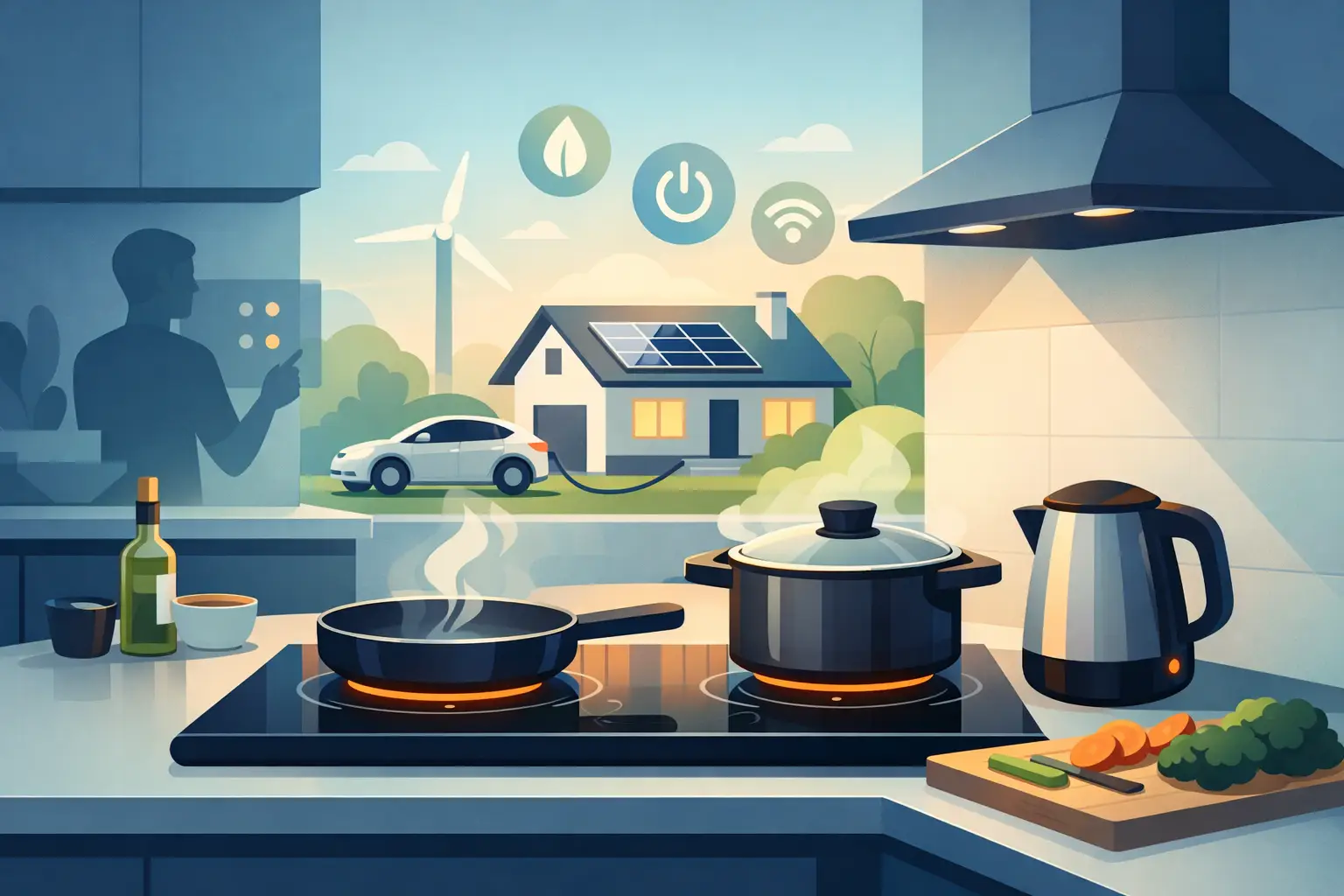
A weeknight dinner can reveal exactly where a kitchen is working too hard. Water takes too long to boil, heat arrives unevenly, and the cook spends more time adjusting the flame than enjoying the people around the table. The future of electric cooking is changing that rhythm with faster response, more precise control, and appliances designed to make every meal feel more manageable.
Electric cooking is no longer a compromise made for a limited kitchen layout. It is becoming a considered choice for homeowners who want cleaner lines and dependable performance, as well as for foodservice teams that need consistency during their busiest service hours. From induction hobs to multifunction electric cookers and high-performance ovens, the category is evolving around one simple expectation: cooking equipment should work harder, so people can focus on cooking better.
The Future of Electric Cooking Is About Control
The most meaningful shift is not simply replacing a gas flame with an electric surface. It is the growing ability to control heat with confidence. Modern electric hobs and induction cooktops can deliver energy directly and efficiently, helping cookware heat quickly while giving cooks a more measured response for simmering, searing, sautéing, or keeping a sauce warm.
For home cooks, this can mean fewer rushed adjustments when preparing several dishes at once. A family meal often requires a pot of soup, a pan of vegetables, and a main dish to move at different speeds. Precise temperature settings support that flow, making it easier to repeat a favorite recipe without relying entirely on instinct.
In commercial kitchens, consistency has even greater value. A restaurant team needs equipment that performs predictably from the first order to the last. Electric cooking technology supports standardized preparation, helping chefs maintain the same result across shifts and across staff members. The best choice still depends on the menu, kitchen workflow, and volume of service, but control is quickly becoming a central advantage.
Induction Sets a New Expectation
Induction is one of the clearest examples of where electric cooking is heading. Instead of heating the air around a flame or warming the entire cooking surface first, induction uses magnetic energy to heat compatible cookware. The result can be rapid heating, responsive adjustments, and less residual heat around the pan.
That matters beyond speed. A cooler surrounding surface can make cleanup simpler after a busy meal, while reducing the amount of excess heat released into the room. In a compact apartment kitchen or a high-output commercial line, a more comfortable cooking environment can make a noticeable difference.
Induction does come with practical considerations. It requires magnetic cookware, and some households may need to replace older pots and pans. It also needs the right electrical capacity and professional installation where required. Those are real decisions, but for many cooks, the gains in precision, efficiency, and kitchen comfort make the transition worthwhile.
Cleaner Kitchens, Safer Routines
A modern kitchen should invite people to cook, not create another difficult task once dinner is over. Electric hobs with smooth surfaces support a cleaner visual finish and reduce the hard-to-reach areas often associated with traditional burners. When spills happen, a timely wipe-down can be far easier than cleaning around grates and burner components.
Safety is another reason electric cooking is gaining attention. Features such as residual heat indicators, child locks, automatic shutoff functions, and pan detection can support more confident daily use. They do not replace attentive cooking habits, but they add a valuable layer of reassurance for households with children, multigenerational families, or busy schedules.
For restaurant operators, safety-focused design can also support smoother operations. Clearly defined controls, stable cooking surfaces, and equipment built for sustained use help teams move with purpose during peak hours. A well-planned electric cooking setup can reduce unnecessary friction in the kitchen without asking chefs to sacrifice performance.
Design Is Now Part of Performance
Kitchens are no longer hidden workrooms. They are gathering places, open-plan entertaining spaces, and the backdrop for everyday moments of sharing. That has raised expectations for how cooking equipment looks as well as how it performs.
Electric appliances suit this change naturally. Sleek glass surfaces, integrated controls, and refined finishes can complement contemporary cabinetry while keeping the room visually calm. The design benefit is not only aesthetic. A more organized cooking zone gives the cook usable counter space, clearer movement paths, and a kitchen that feels ready for both daily meals and guests.
This is where appliance selection should be intentional. A compact electric cooker may be ideal for a smaller household, while a larger electric hob and built-in oven may better suit frequent entertainers. Commercial operators may prioritize heavy-duty construction and output above all else. The right solution is the one that fits the way the kitchen is actually used.
Connected Features Will Support Better Cooking
The next stage of electric cooking will be increasingly intelligent, though intelligence should always serve the cook rather than distract from the meal. Timers, guided settings, temperature sensors, and programmable functions can remove some of the guesswork from daily preparation.
Imagine an oven that maintains a steady roasting temperature, an electric cooker that shifts automatically from boiling to warming, or a hob that helps prevent overheating when a pan is left unattended. These features can make cooking feel more approachable for beginners while helping experienced cooks manage complex meals with greater ease.
Connected functions may also simplify appliance care. Service reminders, diagnostic alerts, and digital warranty registration can help owners stay ahead of maintenance needs. For businesses, timely support is especially valuable because equipment downtime affects far more than one meal. It can interrupt service, strain staff, and disappoint customers.
Technology should not turn every appliance into a screen-filled complication. The strongest designs will pair smart assistance with controls that remain clear, tactile, and easy to understand. A cook should be able to make a quick adjustment with confidence, even when the kitchen is full and time is short.
Efficiency Will Shape Every Purchase
Energy efficiency is becoming a practical purchasing factor, not just a talking point. Consumers are paying closer attention to household operating costs, while business owners are looking for ways to manage overhead without compromising food quality. Electric cooking can help by directing heat more effectively and reducing wasted energy, particularly with induction technology.
The full picture depends on local electricity rates, the efficiency of the appliance, cooking habits, and the condition of the cookware. Gas may still suit certain cooks, menus, or existing kitchen configurations. Yet the direction is clear: people increasingly expect their appliances to provide strong results while using energy more thoughtfully.
A durable appliance is part of that equation. An electric hob or cooker should be chosen for more than its first impression. Materials, safety systems, control quality, after-sales support, and suitability for the expected workload all matter over time. For a busy family or a professional kitchen, reliability is often the feature that proves its value day after day.
A Better Kitchen Serves the People in It
The future of electric cooking will not be defined by one appliance or one feature. It will be defined by kitchens that help people cook with less effort and more confidence. For some, that means an induction hob that brings water to a boil faster. For others, it means a dependable electric cooker that keeps family recipes moving on a packed weekday, or commercial equipment that supports a team through a demanding service.
VEES sees modern kitchen performance as a balance of speed, durability, safety, and refined design. The best equipment does more than heat food. It supports the rhythm of the home, the standards of the professional kitchen, and the moments people remember after the meal is served.
As electric cooking continues to advance, the most valuable change may be wonderfully simple: more time at the table, more confidence at the cooktop, and a kitchen ready for whatever the day brings.