
Cart 0

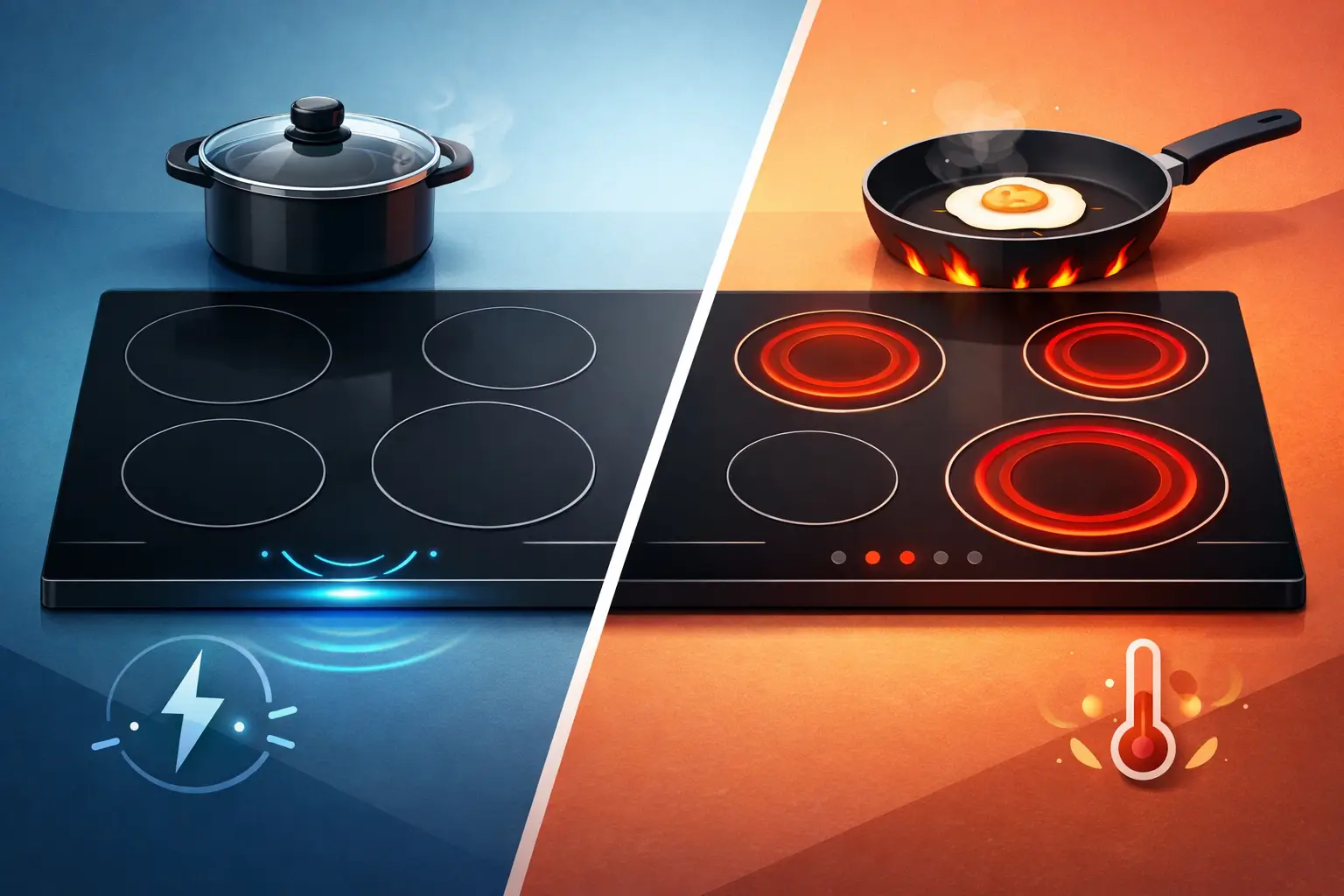
A cooktop can change the rhythm of your whole kitchen. If you are comparing induction hob vs ceramic hob, the real question is not just which one looks better on the counter. It is which one helps you cook faster, clean easier, and feel more in control every day.
Both options deliver the smooth, modern finish many homeowners want. Both suit contemporary kitchens and support a cleaner look than traditional raised burners. But they work in very different ways, and that difference affects heat-up time, energy use, safety, and even the cookware already sitting in your cabinet.
Induction hob vs ceramic hob: the core difference
An induction hob uses electromagnetic energy to heat the pan directly. The cooking surface itself stays relatively cooler because the heat is created inside compatible cookware. That is why induction is known for speed and precision.
A ceramic hob, by contrast, uses electric heating elements beneath a glass-ceramic surface. The element heats up, then transfers heat through the surface into the pan. It still offers a sleek built-in appearance, but it behaves more like a traditional electric cooker when it comes to heat response.
This is the point that matters most in daily use. With induction, the pan is the source of heat. With ceramic, the surface is the source of heat.
Speed and control in real cooking
If your kitchen is busy before work, before school, or during dinner prep for a full table, speed matters. Induction hobs generally heat much faster than ceramic hobs. Water boils sooner, pans respond more quickly when you raise or lower the setting, and timing feels easier to manage.
That responsiveness makes a difference in foods that need control. Think sauces that can split, garlic that burns in seconds, or proteins that need a quick sear without overcooking the center. Induction gives you a more immediate reaction, closer to the confidence people often associate with gas, but with a cleaner, more modern electric setup.
Ceramic hobs are capable and consistent, but they are slower to ramp up and slower to cool down. Some cooks do not mind that at all. In fact, for steady simmering or simple everyday meals, a ceramic hob can feel familiar and easy to use. But if you want sharp heat adjustments, induction has the advantage.
Energy efficiency and heat loss
One of the biggest practical differences in the induction hob vs ceramic hob debate is efficiency. Because induction heats the cookware directly, less energy is wasted into the surrounding air and surface. That usually means quicker cooking and more efficient power use.
Ceramic hobs lose more heat during the transfer from the heating element to the glass surface and then to the pan. They still perform well for routine cooking, but they are generally less efficient than induction.
For households that cook often, this can influence both convenience and long-term operating cost. For commercial users or serious home cooks, the time savings alone can be meaningful. Faster heat-up and better energy transfer support a smoother kitchen workflow, especially when multiple dishes are in motion.
Safety for families and busy kitchens
Safety is one reason many people move from older cooking systems to modern electric hobs. Here, induction is especially appealing. Since the surface is not the primary heat source, it usually remains cooler than a ceramic hob during cooking. The area around the pan can still become warm from residual heat, but the risk of accidental burns is lower.
This can bring peace of mind in homes with children, in open-plan kitchens, or in fast-paced cooking environments where people are moving around the cooktop often. Spillovers are also less likely to bake onto the surface because the surrounding glass does not get as hot.
Ceramic hobs are still designed with modern safety features, but the surface gets hot because that is how the cooking happens. Residual heat indicators help, yet you still need to be more cautious after cooking. If safety is near the top of your list, induction usually feels like the more advanced choice.
Cookware compatibility changes the decision
This is where the best answer often becomes it depends. Induction hobs require magnetic cookware. If a magnet sticks to the bottom of your pot or pan, it will usually work. If not, it will not.
Ceramic hobs are more flexible. They can work with a wider range of cookware materials as long as the base is flat enough to make good contact with the surface.
So if you already own high-quality induction-compatible cookware, choosing induction is easier. If you have an existing set of non-magnetic pots you love and do not want to replace, ceramic may be the more practical path.
For many households, this is not a small detail. The cooktop itself may be only part of the investment.
Cleaning and everyday maintenance
Both induction and ceramic hobs support a streamlined kitchen look and are easier to wipe down than traditional coil cooktops. The flat surface is one of their biggest lifestyle advantages.
Induction tends to be simpler to keep spotless because spills are less likely to burn onto the glass. A quick wipe after cooking is often enough. That helps preserve the polished finish people want in modern kitchens.
Ceramic hobs also clean up well, but cooked-on residue can be more stubborn because the surface gets hotter. You may need a little more care and more frequent cleaning if sauces, oils, or starches spill over during cooking.
If you value an elegant kitchen that stays looking refined with less effort, induction has a clear edge.
Design, fit, and cooking style
From a design standpoint, both can look premium. Both suit minimalist spaces, built-in kitchen layouts, and homes that want cooking appliances to feel integrated rather than bulky.
The real difference is how they support your cooking style. Induction suits cooks who want precision, speed, and a more advanced feel. It is especially well matched to households that cook frequently, entertain often, or want a kitchen that keeps up with a busy schedule.
Ceramic suits buyers who want the sleek look of a modern electric hob with more accessible cookware compatibility and often a lower upfront price. It can be a smart fit for lighter cooking routines, second kitchens, rental properties, or buyers who want a clean upgrade without changing too much about how they already cook.
Price now versus value over time
Ceramic hobs are often more budget-friendly at the point of purchase. That makes them attractive if you are renovating on a tighter budget or upgrading a kitchen in stages.
Induction hobs usually cost more upfront, and you may need new cookware if your current pots are not compatible. But that higher initial cost often comes with gains in speed, efficiency, safety, and overall cooking control.
For many buyers, the better question is not which one is cheaper. It is which one delivers better value for the way you actually live. If you cook every day and want a more responsive kitchen, induction can justify the investment. If your priority is a stylish electric hob that handles everyday cooking reliably, ceramic can still be a very sensible choice.
Which one is right for your kitchen?
If you want faster cooking, sharper temperature control, better energy efficiency, and a safer surface, induction is usually the stronger option. It fits modern households that want performance without compromising on style.
If you want a sleek electric hob, easier cookware flexibility, and a lower starting cost, ceramic remains a solid and attractive choice. It may not be as fast or as precise, but for many homes, it delivers exactly what is needed.
At VEES, that is the bigger idea behind choosing kitchen equipment well. The right appliance should do more than cook food. It should make your routine smoother, your kitchen more enjoyable, and your shared moments easier to create.
Choose the hob that matches your pace, your cookware, and the kind of cooking experience you want to come home to.