
Cart 0

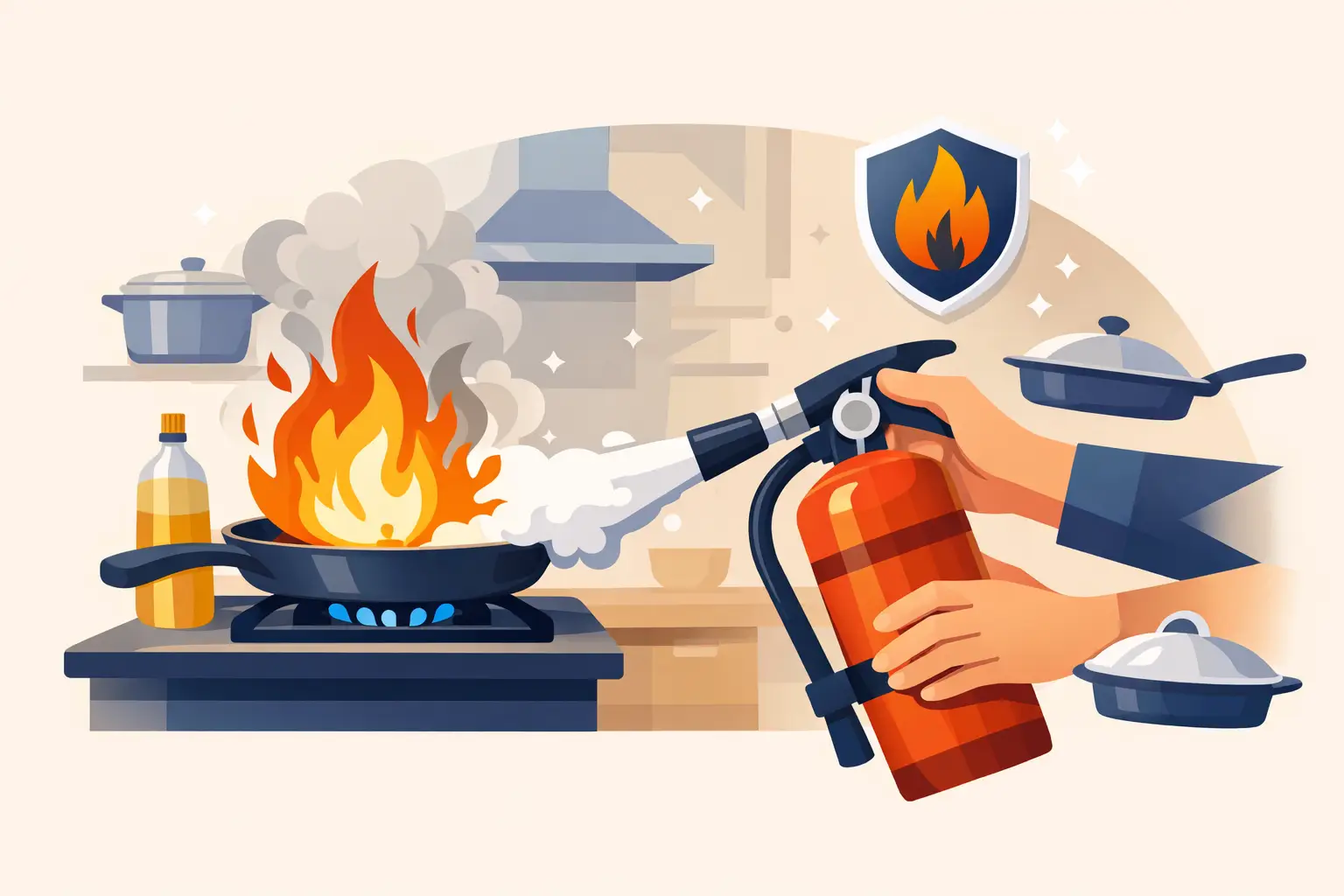
A pan of oil can go from quietly shimmering to smoking in less time than it takes to answer a text. That is why learning how to prevent grease fires is less about cooking with fear and more about building calm, reliable habits into every meal.
Grease fires usually begin when cooking oil, fat, or food residue becomes hotter than its ignition point. The flame is dramatic, but the cause is often simple: heat was too high, the pan was left unattended, or grease had accumulated where it should have been cleaned away. A safer kitchen starts with better control of those small moments.
Start with the right heat, not the highest heat
High heat has its place, particularly for searing, stir-frying, and bringing a large pot to temperature. But many grease fires happen because high heat is used when medium or medium-high would produce the same result with more control.
Warm oil gradually and watch for visual cues. Oil that looks fluid and shimmery is generally ready for cooking. Oil that is smoking, giving off a sharp odor, or becoming unusually thin is overheating. Remove the pan from the heat right away and allow it to cool before continuing.
The pan matters, too. A thin pan can develop hot spots that scorch oil before the rest of the surface is properly heated. A durable, well-made pan distributes heat more evenly, helping you cook with greater consistency. On gas hobs, keep flames beneath the base of the pan rather than climbing up its sides. On electric hobs, remember that the cooking surface may stay hot after the setting is reduced or switched off.
Never leave hot oil without attention
Unattended cooking is the leading risk factor in most kitchen fires. This does not mean you need to stand perfectly still beside every pan. It does mean staying close enough to notice changes in the oil, especially when frying, sautéing bacon, rendering fat, or cooking with a deep layer of oil.
Before you start, prepare ingredients, utensils, and a heat-safe lid. If the doorbell rings, a child needs help, or another task demands your focus, turn off the burner first. A minute of delayed cooking is always better than a fast-moving fire.
This principle is just as relevant in commercial kitchens. During a busy service, clear station ownership and consistent checks help prevent a pan, griddle, fryer, or grease tray from being forgotten while the team moves to the next order.
Keep grease away from open flames and heating elements
Splatter is normal, but accumulated grease is not. Tiny droplets can land on burner caps, around knobs, beneath grates, inside oven cavities, and on nearby countertops. Over time, that residue becomes fuel.
Clean cooking surfaces after they have cooled, particularly after meals that involve frying, roasting fatty cuts, or high-heat searing. Wipe stovetop grease before it bakes on, and follow the appliance care instructions for grates, burner components, drip trays, and removable parts. A clean cooktop is easier to use, looks more refined, and gives grease fewer places to collect.
Keep paper towels, food packaging, oven mitts, dishcloths, and wooden utensils away from burners. They may not cause a grease fire directly, but they can catch flame if hot oil ignites. Give yourself a clear working zone around the cooktop, with handles turned inward so pans cannot be bumped or pulled down.
Use lids, splatter screens, and cookware that fits
A lid is one of the simplest safety tools in the kitchen. It reduces splatter during everyday cooking and can cut off oxygen if a small pan fire begins. Keep a metal lid that fits your skillet within easy reach whenever you cook with oil. Glass lids can be useful for cooking, but a solid metal lid is generally the more dependable choice for covering a fire safely.
Splatter screens can also reduce grease buildup around the cooktop. They are especially helpful for bacon, shallow frying, and pan-searing. Still, a screen does not replace supervision, and it should never make you feel comfortable walking away from hot oil.
Choose cookware sized for the job. Overcrowding a small skillet can force oil over the edge, while an oversized pan on a small burner can heat unevenly. For deep frying, use a heavy pot with high sides and leave generous room above the oil. Food contains moisture, so adding it to hot oil creates bubbling and expansion. A crowded pot can overflow onto the heat source.
Dry food before it meets hot oil
Water and hot oil are a difficult combination. Even a small amount of surface moisture can make oil snap and surge. Pat meat, seafood, and vegetables dry before adding them to a hot pan. Lower food into oil slowly, placing the edge closest to you in first so any splatter moves away from your hands.
Frozen food requires extra care. Follow package directions, and avoid adding ice-covered ingredients to loose hot oil. For foods designed for deep frying from frozen, use the recommended temperature and avoid overfilling the basket or pot.
Do not pour water into a pan that contains hot oil. Water instantly turns to steam beneath the oil, expanding rapidly and throwing burning grease outward. This is one of the most dangerous mistakes a cook can make.
Maintain ventilation, but understand its role
A range hood helps remove heat, steam, smoke, and airborne grease from the cooking area. Use it when cooking at higher temperatures, particularly for frying and searing. Good ventilation makes the kitchen more comfortable and can reduce the greasy film that settles on surrounding surfaces.
However, ventilation is not a substitute for safe heat management. A range hood cannot cool overheated oil, and grease filters need regular cleaning to perform well. Follow your hood’s care guidance, clean filters on schedule, and have commercial ventilation systems serviced according to local requirements and the volume of cooking taking place.
For homeowners planning a kitchen upgrade, choose cooking equipment and ventilation designed to work together. Thoughtful placement, clear controls, stable cookware support, and efficient extraction contribute to a kitchen that feels as safe and enjoyable as it looks.
What to do if grease ignites
The best prevention plan includes knowing what not to do. Never throw water on a grease fire. Never carry a burning pan to the sink or outside. Moving it can spread flaming oil across the room, onto your hands, or onto nearby surfaces.
If it is safe to do so, turn off the heat. Then carefully slide a metal lid or baking sheet over the pan to smother the flame. Leave it covered until everything is completely cool. For a very small fire, baking soda may help, but it takes a substantial amount and should not be your primary plan.
Every home kitchen should have an appropriate fire extinguisher that household members know how to use. For grease-related fires, look for an extinguisher rated for Class B fires; commercial cooking operations commonly require Class K extinguishers for cooking oils and fats. If the fire does not go out immediately, if it spreads, or if you feel uncertain, get everyone outside and call 911.
Build safer habits into everyday cooking
Safety does not need to slow down the meals people gather around. It often makes cooking more enjoyable because the space is cleaner, the workflow is smoother, and the cook is not fighting unnecessary smoke or splatter.
Create a simple routine: check that the cooktop is clean, keep a lid nearby, use the correct heat level, and stay present while oil is on the burner. For families, make sure older children understand that a smoking pan is a signal to step back and get an adult, not a reason to experiment. For professional teams, make grease management and equipment checks part of opening and closing procedures rather than an occasional deep-cleaning task.
At VEES, we believe a well-designed kitchen should make everyday moments easier to enjoy. When your appliances are maintained, your cooking zone is organized, and your attention stays with the pan, you can focus on what matters most: preparing food with confidence and sharing it safely with the people around you.