
Cart 0

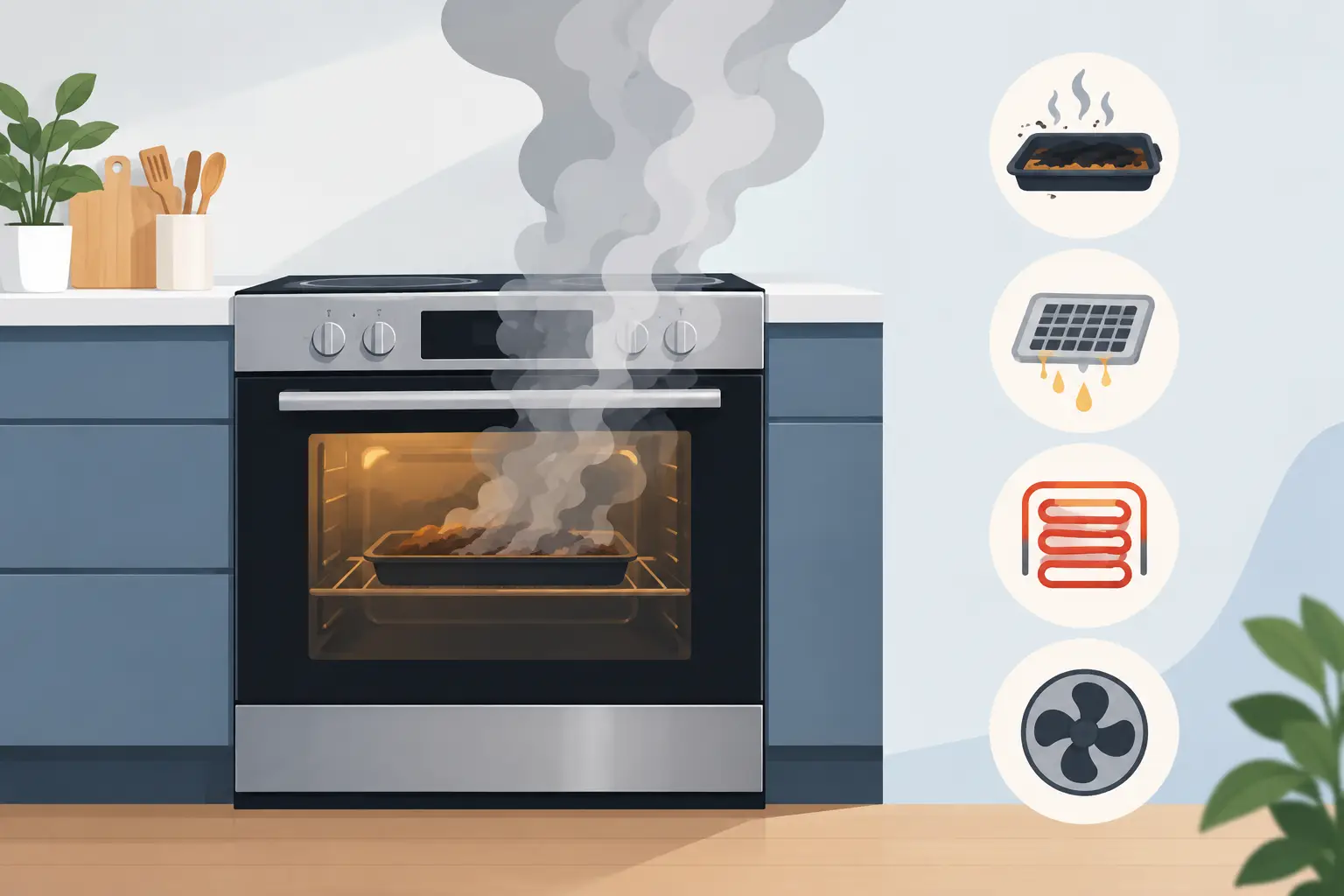
A tray of roasted vegetables should fill the kitchen with inviting aromas, not a haze that sends everyone toward the windows. So, why does oven smoke? In most cases, the answer is simple: food residue, spilled grease, or a new oven heating for the first time. The right response depends on where the smoke is coming from, what it smells like, and whether it stops once the oven cools.
A little smoke does not always mean your oven is failing. But recurring smoke can affect flavor, set off alarms, and make family meals or busy service periods feel unnecessarily stressful. Knowing the cause helps you protect your appliance, cook with more confidence, and keep every kitchen moment enjoyable.
Why Does an Oven Smoke During Cooking?
The most common cause is baked-on residue. A small spill from last night’s casserole, melted cheese from a pizza, or fat that splattered from a roasting pan can land on the oven floor, rack, or heating element. When the oven reaches a high temperature, that residue burns and creates smoke.
Grease is especially likely to smoke during high-heat roasting, broiling, and baking at temperatures above 400°F. Foods such as chicken thighs, bacon, marinated meats, and cheese-topped dishes release fat as they cook. If the pan is too shallow or overfilled, drips can reach hot surfaces quickly.
Smoke can also come from food itself rather than the oven. Oil has a smoke point, and sugary glazes can darken or burn fast under a broiler. If the smoke begins only when a particular recipe is in the oven, adjust the rack position, reduce the temperature slightly, or use a deeper, oven-safe pan to contain drippings.
Residue on the Oven Floor or Racks
The oven floor is often the first place to inspect. Even a thin, nearly invisible film of grease can produce a sharp smell and visible smoke. Racks can hold residue too, particularly after roasting or grilling-style cooking.
Wait until the appliance is completely cool, then remove the racks and wipe away loose crumbs. Use a cleaner approved for your oven’s interior surface, following the product directions carefully. Avoid harsh abrasives on enamel or coated surfaces, as scratches can make future cleanup more difficult.
Spills Near the Heating Element
In an electric oven, residue near the lower bake element can smoke as the element cycles on. Do not spray cleaner directly onto an exposed heating element or pour water into the oven cavity. Instead, clean around it gently once the unit is cool and consult the appliance manual if a spill has hardened in a hard-to-reach area.
For gas ovens, food debris may collect around the burner area. Because gas appliances involve an open flame and burner components, do not attempt to dismantle parts unless the manufacturer specifically instructs you to do so. Persistent smoke, uneven flames, or a gas odor calls for professional service rather than a quick home fix.
Smoke From a New Oven Can Be Normal
A brand-new oven may smoke or smell slightly during its first few uses. Manufacturers apply protective oils, coatings, and packaging-related residues during production and transport. As those materials heat for the first time, they can burn away.
This should be temporary. Before preparing food, remove all packaging, labels, ties, and protective film. Then run the oven empty according to the first-use instructions in the manual, with good ventilation. Open windows, switch on the range hood, and keep the kitchen comfortable while the initial odor clears.
The trade-off is simple: an initial heat cycle takes a little time, but it prevents an unwelcome smell during the first dinner you share from your new kitchen. If heavy smoke continues after several normal heating cycles, stop using the oven and arrange an inspection.
When Oven Smoke Signals a Safety Concern
Not all smoke is harmless. The color, smell, and timing offer useful clues. Light smoke that appears after a visible spill is usually a cleaning issue. Thick, dark smoke or a sharp electrical smell needs immediate attention.
Turn the oven off if you notice smoke that becomes heavier instead of easing, sparks, crackling, flames inside the cavity, or an odor like melting plastic or burning wires. Keep the door closed if there is an active fire, as opening it can feed the flames with oxygen. If a fire does not go out quickly after the oven is switched off, leave the area and contact emergency services.
Never use water on an oven fire. A suitable kitchen fire extinguisher may be appropriate only if it is safe to use and you know how to operate it. Personal safety comes before saving a meal or an appliance.
For gas ovens, a sulfur-like or rotten-egg odor may indicate a gas leak. Do not light matches, operate electrical switches, or continue cooking. Leave the building and contact your gas provider or emergency services from a safe location.
How to Stop an Oven From Smoking
A cleaner oven and better pan setup solve many repeat problems. Start by letting the oven cool fully, then identify the source. Look for residue on the oven floor, racks, door glass, and around the edges of baking pans. If you use a removable crumb tray or drip pan, clean that too.
For everyday cooking, choose cookware that suits the dish. Deep roasting pans help collect rendered fat, while rimmed baking sheets catch bubbling sauces and melted cheese. Place pans in the center of the rack whenever possible, leaving enough room for heat to circulate. A crowded oven can make spills more likely and cook food unevenly.
Avoid lining the oven floor with foil unless your appliance manual explicitly allows it. Foil can trap heat, interfere with airflow, and damage some oven finishes. If you need to catch drips, place a rimmed pan on a lower rack, not directly on the oven floor. Keep it clear of the heating element and ensure it does not block circulation.
Good ventilation matters as much as cleaning. Run the range hood before preheating, not after smoke has filled the room. A properly sized hood helps remove cooking vapors, heat, and odors, creating a more comfortable space for everyday meals and high-volume preparation alike. This is particularly valuable in kitchens where roasting, pan-searing, and baking happen back-to-back.
Be Careful With the Self-Cleaning Cycle
Self-cleaning cycles use very high heat to turn residue into ash. They can be useful, but they are not the best answer for a heavily soiled oven. Large amounts of grease may create strong odors or smoke during the cycle.
Wipe up visible spills first, remove racks if the manual directs you to, and ventilate the room well. If your oven has a steam-cleaning option, it may be a gentler choice for light soil. The best method depends on the oven’s finish, cleaning settings, and level of buildup.
A Simple Habit That Keeps Cooking Comfortable
The easiest way to prevent smoke is to clean small spills before they become baked-on problems. After a roast, pie, or cheese-heavy meal, wait for the oven to cool and wipe any fresh residue while it is still easy to remove. Check roasting pans for overflow before they go into the oven, and use the range hood whenever heat and fat are part of the menu.
For restaurants and frequent home cooks, make this part of the closing routine. A quick inspection of the oven cavity, racks, and drip areas protects cooking consistency during the next shift or the next family meal. Reliable kitchen performance is built through these small, practical habits.
An oven should support the rhythm of cooking, from a weeknight tray bake to a table full of guests. With clean surfaces, suitable cookware, and ventilation ready before the heat goes on, you can keep the focus where it belongs: great food and the moments of sharing around it.