
Cart 0

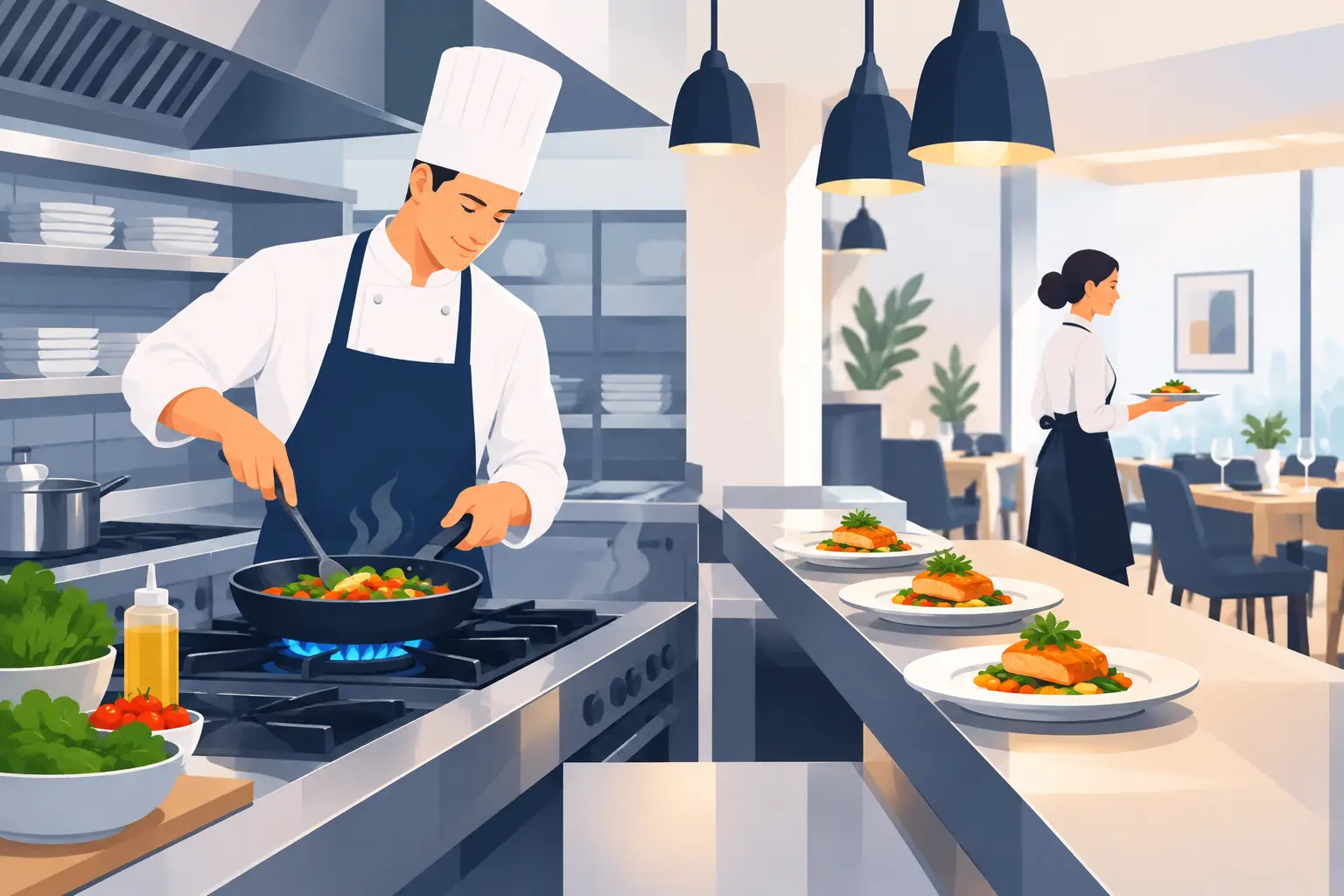
The dinner rush rarely exposes a kitchen’s weakest point until every burner is occupied, tickets are building, and a single delayed pan affects an entire table. Restaurant cooker outcomes are not measured only by whether food gets hot. They show up in ticket times, dish consistency, staff confidence, energy use, cleaning routines, and the customer’s decision to return.
For restaurant owners and chefs, the cooker is the working center of the kitchen. Selecting the right one means balancing speed with control, capacity with available space, and upfront cost with years of demanding service. The best decision supports the menu you serve now while giving your team room to perform as business grows.
Restaurant Cooker Outcomes Begin With Heat Control
A powerful cooker matters, but power without control can create as many problems as it solves. Sauces split, proteins overcook, and oil temperatures swing when the equipment cannot respond accurately to a chef’s adjustments. Consistent, controllable heat allows the kitchen to repeat a successful result across lunch, dinner, and every shift in between.
This is especially valuable when several team members prepare the same menu item. A dependable cooking surface reduces the guesswork between experienced chefs and newer staff. Instead of compensating for hot spots or unpredictable flames, the team can follow the method with confidence. That consistency protects the plate your guests expect.
Electric cooking equipment can be particularly effective where precise temperature settings and a cleaner cooking environment matter. Gas remains a familiar choice for chefs who value visible flame response and certain high-heat techniques. The better option depends on the menu, ventilation requirements, utility availability, local regulations, and how the kitchen actually operates. A compact café with a focused menu has different needs from a high-volume wok station or a full-service restaurant with multiple cooking styles.
Faster Service Is About More Than High Heat
Fast cooking is only useful when it leads to a finished dish at the right moment. A cooker that heats quickly can shorten preheat time and help a kitchen recover after a busy wave of orders, but speed must work with the rest of the line. If one station finishes food before another is ready, the pass still becomes congested.
Look at the full sequence behind each popular dish. Consider how long it takes to heat the surface, cook the item, hold it safely if needed, plate it, and reset the station for the next ticket. This reveals whether the cooker is helping the line flow or simply moving the bottleneck somewhere else.
Capacity Should Match the Menu’s Peak Demand
An oversized cooker can consume valuable space and utility capacity during quieter service periods. An undersized model creates crowding at the busiest moment, encourages rushed technique, and may leave cooks waiting for heat recovery. The goal is not the largest unit available. It is the configuration that handles peak demand without making the kitchen harder to move through, clean, or supervise.
For example, a restaurant known for seared dishes may benefit more from a cooking surface that maintains heat across repeated batches than from extra burners that remain underused. A menu built around soups, sauces, and braises may place greater value on stable low-to-medium heat and easily managed controls. Equipment decisions become clearer when they begin with the menu rather than the product specification sheet.
Consistency Protects Food Cost and Reputation
A small variation in heat can produce a noticeable variation in food. Over-browned items may be discarded. Inconsistently cooked proteins can generate complaints or remakes. A pan that takes too long to recover may lead a cook to extend cooking time, changing texture and creating waste that is easy to overlook during a busy day.
Better restaurant cooker outcomes create a more predictable rhythm. Recipes become easier to standardize, portions are easier to execute correctly, and managers can train with clearer expectations. That affects food cost as much as it affects presentation.
Consistency also has a human benefit. A calmer station gives cooks more attention for seasoning, timing, and plating. It does not remove the need for skill, but it gives skill a dependable foundation. In professional kitchens, reliable equipment is one of the quietest ways to support better work.
Safety and Cleanability Shape Every Shift
The most productive cooker is one that a team can use safely, clean thoroughly, and maintain without disrupting service. Safety features, stable controls, clear indicators, and thoughtfully designed surfaces reduce avoidable risk in an environment where hands move quickly and attention is divided.
Cleaning deserves the same attention as cooking performance. Grease buildup, difficult-to-reach edges, and surfaces that show wear quickly can add minutes to closing duties and create long-term hygiene concerns. A unit designed for straightforward daily cleaning helps protect equipment condition while making the end of the shift more manageable for the team.
Durable construction matters here. Commercial kitchens place equipment under constant pressure from heat, spills, movement, and repeated cleaning. A lower initial price may look attractive, but frequent repairs, downtime, and inconsistent operation can cost far more over time. Restaurant owners should consider the total working life of the cooker, including maintenance access, part availability, warranty support, and the quality of the materials used in high-contact areas.
A Better Layout Improves Cooker Performance
Even excellent cooking equipment can underperform in a poorly organized kitchen. The placement of prep tables, refrigeration, ventilation, plating areas, and cleaning stations influences how easily a cook can work. When ingredients, pans, and utensils are close to the cooker without creating obstruction, each order takes fewer unnecessary movements.
This is why a cooker should be chosen as part of a kitchen system. Consider clearance around the equipment, the direction of traffic during service, where hot pans will land, and whether one cook can operate the station without blocking another. Thoughtful layout supports faster cooking, but it also makes training easier and reduces fatigue during long shifts.
Modern design has a practical place in commercial kitchens. Clean lines, intuitive controls, and well-considered proportions can make a kitchen feel more organized and professional. For open kitchens in particular, equipment appearance becomes part of the guest experience. A polished cooking environment reinforces trust before the first dish reaches the table.
Choosing Equipment for the Way You Actually Cook
Before investing, restaurant operators should observe a complete busy service and ask practical questions. Which dishes create the longest wait? Where do cooks compete for burner space? How often does the team adjust heat because the cooker is inconsistent? What slows cleanup at closing? These answers are more valuable than buying based on a trend or a single headline feature.
The right cooker should suit the volume, menu, staffing level, and future plans of the business. A growing restaurant may need flexible capacity and dependable daily performance more than specialized features it will seldom use. A chef-led concept with technique-driven dishes may prioritize precise control. Both choices can be right when they are tied to real operating needs.
VEES approaches kitchen solutions with this balance in mind: performance that supports demanding cooking, thoughtful design that fits modern spaces, and reliability that helps teams focus on the food and the people they serve.
A restaurant cooker is not just a purchase for the back of house. It is a daily decision about how quickly your team can respond, how consistently guests can enjoy their meal, and how confidently your kitchen can handle its busiest hour. Choose for the service you want to deliver, then let every shift prove the value of that decision.