
Cart 0

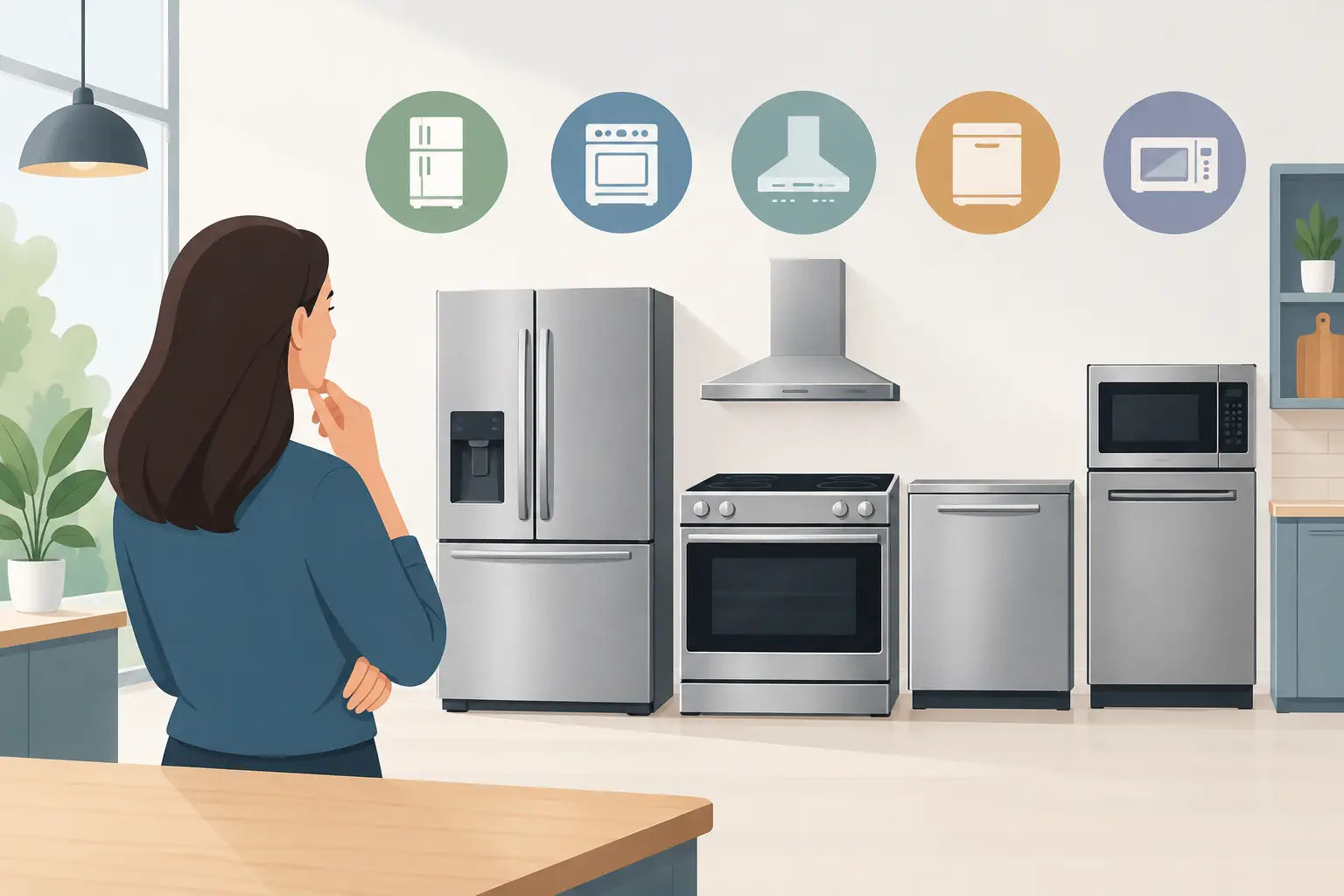
A kitchen package should make the room work better, not simply make it look more complete. The right oven, cooktop, hood, and cooker can shorten weeknight prep, keep entertaining on track, and give the kitchen a calmer, more refined feel. Knowing how to choose a kitchen appliances package starts with the way you actually cook, then matches that routine to the space, fuel source, and performance level your home or business needs.
A coordinated package is especially valuable because these appliances do not work in isolation. A powerful cooktop calls for effective ventilation. An oven should support the volume and style of meals you prepare. Finishes, dimensions, and control layouts should feel intentional together. When each choice supports the next, the result is a kitchen built for everyday moments of sharing rather than a collection of appliances chosen one at a time.
Start With Your Cooking Routine
Before comparing features, take an honest look at your kitchen habits. A household that prepares quick breakfasts and family dinners has different priorities from a passionate home cook who hosts every weekend. A restaurant or foodservice operation needs another level of output, durability, and workflow planning altogether.
Consider what happens during your busiest hour. Do multiple pots need to be on the heat at once? Do you rely on oven-roasted dishes, baking, or large batch meals? Is a fast electric cooker central to your daily routine? Your answers reveal which appliance deserves the greater share of your budget and counter space.
For many homes, a practical core package includes a cooktop, oven, range hood, and an electric cooker or other countertop cooking solution. This combination covers daily flexibility without filling the kitchen with features that may rarely be used. For commercial kitchens, begin with menu requirements and service volume. Equipment should support consistent cooking through the rush, not just perform well during a quiet test run.
Measure the Kitchen Before You Fall in Love With a Finish
Design matters, but dimensions come first. Measure the cabinet openings, countertop depth, wall clearance, electrical access, gas connection, and ceiling height where ventilation will be installed. Do not assume standard sizing will solve every fit issue, especially in a renovation where cabinetry and existing ducts may set firm limits.
Pay attention to how people move through the room. A cooktop placed too close to a tall pantry, or an oven door that blocks a main walkway, can make a beautiful kitchen frustrating to use. In compact layouts, appliance proportions and door swing can be more valuable than upgrading to the largest available capacity.
Ventilation deserves early planning. A range hood must be sized appropriately for the cooking surface and positioned at the recommended height for safe, effective capture of smoke, steam, and cooking odors. If external ducting is possible, it may offer stronger long-term odor control. If it is not, select a recirculating solution that fits the installation and maintenance needs of the space.
Choose the Right Cooking Platform
The cooktop is often the center of a kitchen package because it shapes speed, control, and the way the kitchen looks. Gas hobs suit cooks who enjoy visible flame control and quick response. They can be a natural fit where gas service is available and stir-frying, sautéing, and high-heat cooking are frequent parts of the menu.
Electric hobs offer a clean, modern surface and can be easy to maintain. They are a sensible choice for homes without gas access or for homeowners who prefer a streamlined built-in look. The best option depends on your cooking style, available utilities, cookware, and comfort with the controls – not on a one-size-fits-all rule.
Also consider burner or cooking-zone layout. A large household may benefit from more usable zones rather than simply more zones crowded into the same width. If you often use wide pans, stockpots, or griddles, check that the surface provides adequate spacing and power where you need it.
Match the Oven to the Meals You Make
An oven is a long-term choice, so capacity and heating functions deserve more attention than a stylish handle or display panel. Families who roast, bake, and prepare several dishes for gatherings should prioritize usable interior space, even heat distribution, accessible racks, and simple controls. A smaller household may prefer a compact model that still performs reliably without taking over the kitchen.
Look for functions that solve a real cooking need. Convection can help with multi-rack cooking and more even browning. Grilling functions can add versatility for quick finishes and crispy tops. Timers, clear temperature controls, and safe door construction help create confidence when several tasks are happening at once.
For professional settings, think beyond oven capacity. Evaluate recovery speed, construction quality, cleaning access, and how the oven fits into prep and plating flow. A machine that saves a few seconds per order can make a meaningful difference over a full service.
Treat the Range Hood as a Performance Appliance
A range hood is not an accessory. It helps protect indoor air quality, reduces lingering grease, and keeps the kitchen more comfortable while cooking. Choosing one only by width or appearance can leave you with a hood that looks right but does too little when the heat rises.
Match hood coverage to the cooktop, then consider the intensity of your cooking. Frequent frying, grilling, and high-heat Asian cooking generally call for stronger extraction than occasional simmering. Select a model with lighting that helps you see the cooking surface clearly and filters that can be accessed and cleaned without a complicated process.
Noise is a genuine trade-off. More extraction power can create more sound, although good design can improve the experience. Think about when you cook. An open-plan kitchen used for family conversation may place a higher value on quieter operation, while a busy commercial kitchen may prioritize extraction capacity above all else.
Set a Budget Around What You Will Use Most
A package can create better value than buying every appliance separately, but it is still worth allocating your budget with intention. Spend more on the appliances that carry the heaviest workload. If you cook daily on the hob, prioritize dependable burners or heating zones, durable grates or surfaces, and controls that feel precise. If baking is occasional, you may not need every premium oven function available.
Do not overlook installation, ventilation work, electrical upgrades, gas connections, and future maintenance. The least expensive appliance can become the costly choice if it does not fit the kitchen properly or requires repeated service. Warranty coverage, accessible support, and the availability of replacement parts are part of the value calculation.
For business owners, downtime has a cost beyond repairs. Commercial equipment should be chosen for sustained use, safe operation, and a support plan that protects daily service. Residential-grade products may look attractive at first, but they are not always designed for heavy commercial demand.
Build a Package That Looks Considered, Not Overmatched
A unified finish can bring immediate order to a kitchen, whether you prefer stainless steel, dark glass, or a softer contemporary palette. Still, matching finishes is only one piece of visual harmony. Align handle styles, display colors, trim details, and the overall level of visual weight. A bulky industrial-style hood above a delicate compact cooktop may feel out of balance, even if both appliances perform well.
That does not mean every item must be identical. A thoughtfully selected electric cooker or countertop appliance can add convenience while keeping a clean visual line. The goal is a kitchen that reflects how you live: capable enough for serious cooking, welcoming enough for everyday family meals, and polished enough to enjoy when guests gather.
How to Choose a Kitchen Appliances Package With Confidence
Before placing an order, review the package as one working system. Confirm measurements, utility requirements, hood compatibility, installation needs, and the features you expect to use every week. Read product specifications carefully, but give equal weight to touchpoints you can experience daily: easy-to-clean surfaces, solid construction, intuitive controls, and safe operation.
A trusted kitchen specialist can help identify gaps that are easy to miss, from ventilation planning to the right equipment for a high-volume menu. VEES approaches kitchen solutions with this balance in mind, pairing modern design with the dependable performance that busy homes and professional kitchens require.
Choose the appliances that make cooking feel more possible – faster meals on a busy night, steadier service during a full dining room, and more time around the table once the work is done.