
Cart 0

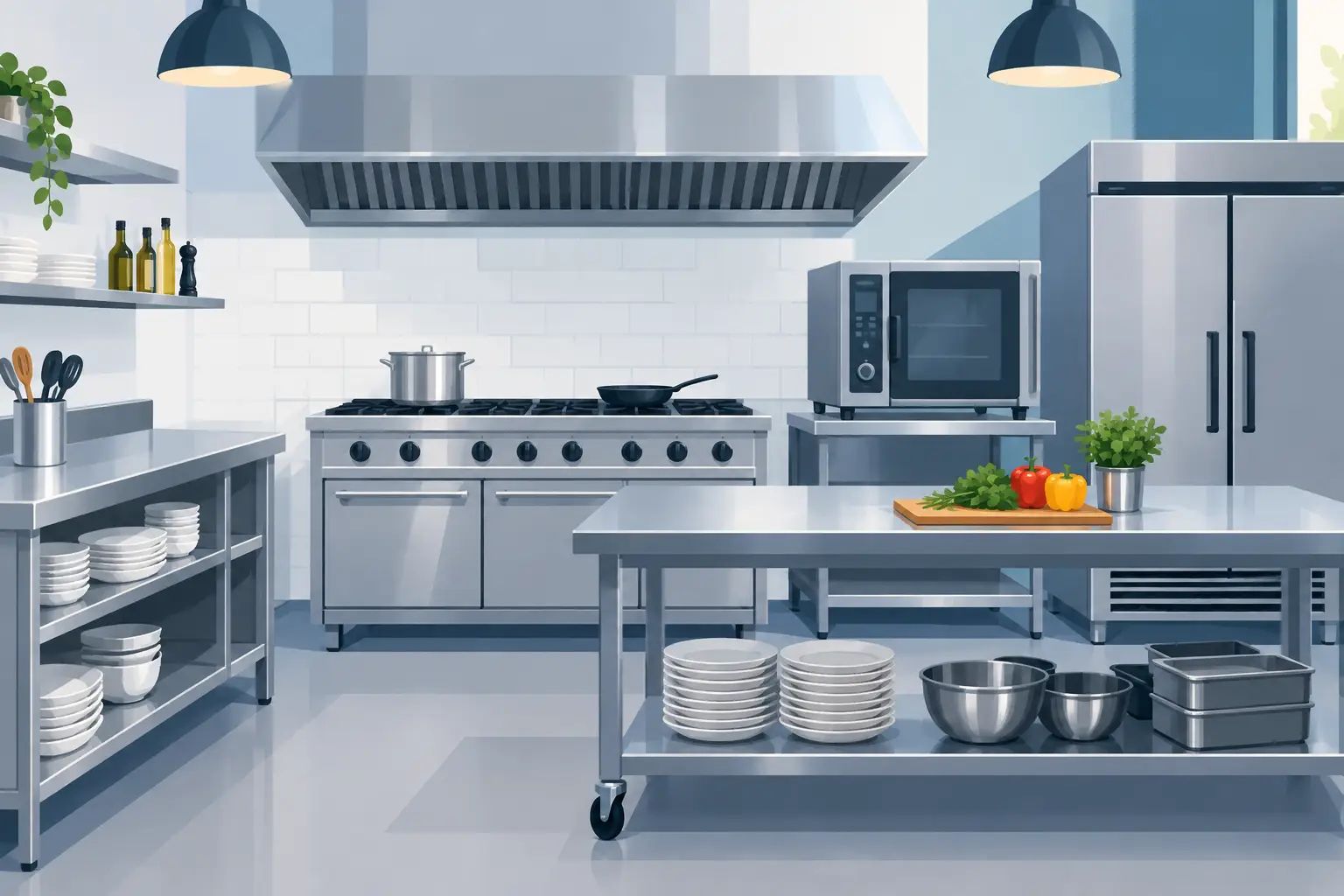
A dinner rush quickly reveals whether a kitchen was built for the menu or simply filled with appliances. Essential restaurant equipment should do more than look professional. It should help cooks move with confidence, keep food consistent, protect the team, and make every square foot of the kitchen contribute to service.
For restaurant owners, the right purchase is rarely the biggest or most expensive unit. It is the equipment that fits the volume, cooking style, utility capacity, and pace of the operation. A compact noodle shop, a busy breakfast cafe, and a full-service grill restaurant may all need heat, ventilation, refrigeration, and prep space, but the best configuration for each will be different.
Start With the Menu, Not the Equipment List
Before comparing burners, ovens, or refrigeration capacity, look closely at what the kitchen must produce during its busiest hour. Count the dishes that require frying, sauteing, baking, boiling, holding, or rapid reheating. Then consider how many team members need access to each station at the same time.
A menu led by wok cooking needs responsive, concentrated heat and ventilation that can manage steam and grease. A bakery needs dependable ovens, proofing capacity, and cooling space. A casual restaurant with a broad menu may need a more flexible cooking line, combining a range, griddle, oven, and refrigerator storage that keeps ingredients within easy reach.
Buying equipment before mapping this workflow often creates expensive bottlenecks. A powerful cooker cannot help if staff must cross the kitchen repeatedly to collect ingredients. Likewise, an oversized oven can consume valuable floor space while a small refrigerated prep counter slows every ticket.
The Essential Restaurant Equipment for a Working Line
Every commercial kitchen has its own rhythm, but a reliable foundation usually begins with cooking, ventilation, cold storage, preparation, cleaning, and safe holding. The goal is not to buy every available appliance. It is to build a line where each piece supports the next task.
Cooking equipment that matches service demand
The cooking line is where speed and consistency become visible to guests. Commercial gas hobs and ranges remain a practical choice for kitchens that value immediate heat adjustment and multiple cooking zones. They are especially useful for sauces, sauteed dishes, soups, and high-volume pan work.
Electric hobs can be a strong alternative where gas access is limited or where a cleaner, more controlled cooking surface suits the concept. The best choice depends on local utility availability, cookware, chef preference, and the menu’s demands. What matters most is dependable heat performance under continuous use, not just impressive specifications on paper.
A commercial oven expands menu options and helps maintain consistency for roasting, baking, finishing, and batch production. Consider the number of trays or pans needed per service, recovery time between loads, and whether the oven will be used mainly for prep or during peak service. If the menu relies on baked items, choosing too little oven capacity can become a daily frustration.
Specialized equipment earns its place when it handles a repeated, high-value task. A griddle makes sense for a breakfast program or burger concept. A fryer is necessary when crisp fried food defines the guest experience. For a smaller menu, however, a flexible range and oven may deliver a better return than several single-purpose machines.
Ventilation is part of cooking performance
A range hood is not an afterthought above the line. It helps remove heat, smoke, grease, and cooking odors so the kitchen remains more comfortable and safer during demanding shifts. Effective ventilation also supports cleaner surrounding surfaces and a better environment for staff who spend hours at the stove.
Match the hood design and extraction capacity to the equipment beneath it. High-heat cooking, frying, and grilling require greater grease and smoke management than light warming or baking. Local fire, building, and health requirements should guide the final specification, along with professional installation and ongoing filter cleaning.
Refrigeration and cold holding protect quality
Cold storage has a direct effect on food safety, waste, and prep efficiency. Reach-in refrigerators and freezers provide bulk storage, while undercounter units and refrigerated prep tables keep frequently used ingredients close to the action. The best arrangement prevents cooks from leaving their stations at critical moments.
Capacity should be based on delivery schedules, menu variety, expected covers, and prep patterns. A restaurant receiving fresh product daily may require less back-of-house storage than one preparing large batches for several days. Do not overlook organization: clear zones for raw ingredients, ready-to-eat foods, dairy, sauces, and produce make inventory checks faster and help reduce cross-contamination risks.
Prep, washing, and holding keep the line moving
Preparation tables, durable work surfaces, sinks, shelving, and food processors may not carry the visual impact of a cooking range, yet they determine how smoothly the team works before doors open. Stainless steel prep areas are favored for their durability and ease of cleaning, while thoughtfully placed shelving keeps utensils and dry goods accessible without crowding workstations.
A properly planned dishwashing area is equally valuable. It should separate dirty items from clean ones and provide enough room for drying, storage, and staff movement. In high-volume operations, the wrong wash setup can quickly create backups that affect every section of the restaurant.
Holding equipment is worth considering when service requires food to be ready across a sustained rush. Heated cabinets, warming units, or carefully managed holding stations can protect timing, but they are not a substitute for well-prepared food. Use them to preserve quality for short periods, not to mask production problems.
Plan for Workflow, Safety, and Maintenance
The best kitchen layout follows the journey of food: receiving, storage, preparation, cooking, pass, service, and cleaning. When that path crosses itself too often, staff lose time and collisions become more likely. Leave sufficient clearance around hot equipment, refrigerator doors, and wash areas so employees can work safely even at peak volume.
Utilities need equal attention. Confirm gas, electrical load, water supply, drainage, and ventilation requirements before equipment arrives. A lower purchase price can become costly if installation requires major upgrades or if the unit cannot operate at its intended output.
Safety-focused features deserve priority. Stable controls, clear temperature settings, reliable ignition, heat-resistant surfaces, and easy-clean construction help protect staff and support daily discipline. Equipment should also be simple to inspect. Grease buildup, damaged seals, blocked vents, and loose controls are easier to address when the appliance is designed for practical maintenance.
Commercial equipment is an investment in uptime. Ask how easily the unit can be cleaned, whether common replacement parts are accessible, and what after-sales support is available. A kitchen rarely has the luxury of waiting days for a small repair during a busy season.
Choose Durability Without Overbuilding
It is tempting to buy the highest-capacity equipment available, especially when planning for growth. But oversizing can raise energy use, installation costs, and upfront investment without improving service. Undersizing brings its own risk: slower tickets, overworked appliances, and shortened equipment life.
A more practical approach is to buy for current demand with realistic room for growth. Look for durable materials, commercial-grade components, and controls that staff can learn quickly. Modern design matters too. A well-designed appliance can make a tight kitchen feel more orderly, support easier cleaning, and create a more professional environment for the team.
For restaurants that want dependable heat performance with a refined, functional look, VEES commercial kitchen solutions can support the balance between daily productivity and thoughtful design. The right appliance should feel like a natural part of the workflow, not another obstacle to work around.
Make the Final Decision With the Team
Chefs, kitchen managers, and maintenance staff often see practical issues that do not appear on a floor plan. Before finalizing a purchase, ask the people who will use and clean the equipment where current delays happen, which tasks require extra movement, and what fails most often during service.
Their answers can clarify whether the next investment should be another burner, more refrigeration near the line, stronger ventilation, or simply a better prep arrangement. The most effective restaurant kitchens are not packed with equipment. They are built around reliable tools that give people room to do their best work.
Choose equipment that respects the pace of your menu and the people behind it. When every appliance supports faster preparation, safer cooking, and consistent plates, the kitchen becomes a place where great service can happen shift after shift.