
Cart 0

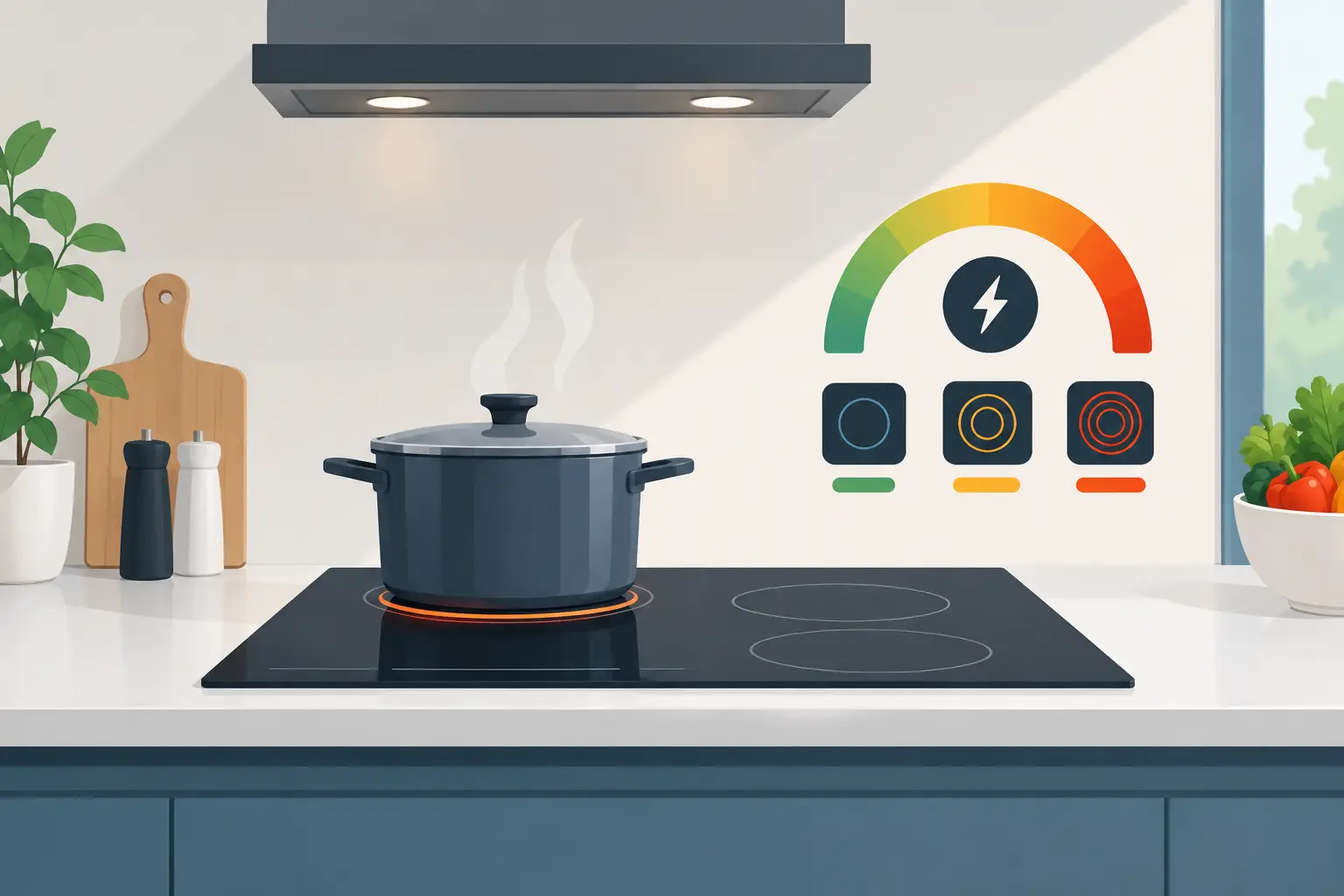
A cooker that takes too long to heat can turn a simple weeknight meal into a waiting game. One that draws more power than your electrical setup can safely support creates a different kind of problem. Knowing how to select cooker wattage helps you choose equipment that matches the way you cook, the space you have, and the results you expect.
Wattage is not simply a bigger-is-better specification. It affects heating speed, temperature recovery, energy use, electrical requirements, and how confidently you can cook several dishes at once. The right choice is the one that brings dependable performance to your kitchen without adding unnecessary cost or complexity.
What Cooker Wattage Really Tells You
Wattage measures electrical power. In practical terms, it indicates how much energy an electric cooker, cooktop, or cooking zone can use to create heat. A higher-wattage unit generally heats cookware faster and can maintain high temperatures more effectively when cold ingredients are added.
That does not mean every cooking task needs maximum wattage. Gentle sauces, rice, soups, and slow braises benefit more from stable low-heat control than extreme power. High wattage becomes especially valuable when boiling water, stir-frying, searing proteins, cooking for a crowd, or working through back-to-back orders.
The cookware and heating technology matter, too. Induction cookers transfer energy directly into compatible pots and pans, so they often feel faster and more responsive than conventional electric elements at a similar rated wattage. A well-designed 1,800-watt induction cooker can deliver a very different cooking experience from an older radiant unit with the same number on its label.
Start With How You Actually Cook
Before comparing wattage figures, consider the rhythm of your kitchen. A compact cooker used for breakfast, reheating, and occasional one-pot dinners has different needs from a family kitchen preparing multiple fresh dishes every evening. A café or restaurant line requires another level of output and durability altogether.
For light daily use, an electric cooker in the 1,000- to 1,500-watt range can be practical for simmering, steaming, warming, and everyday meals in smaller portions. It is also a sensible range for compact kitchens, dorm-style setups, and secondary cooking stations.
For regular family cooking, 1,500 to 2,000 watts is often a strong balance of speed and control. This range handles boiling, pan-frying, soups, noodles, and most meal preparation without making the unit feel underpowered. If you frequently cook pasta for several people, prepare large batches, or entertain at home, the upper end of this range will save meaningful time.
High-output portable cookers and built-in cooking zones may reach 1,800 to 3,000 watts or more, depending on the model and installation. These are suited to cooks who value rapid heat-up and confident searing, as well as commercial environments where every minute and every burner matters. More power supports pace, but it also calls for the right circuit, ventilation, and workflow.
Match Wattage to the Food You Prepare
The meals you love to make are often the clearest guide. If your cooking centers on porridge, steamed dishes, curries, soups, and rice, precise low-to-medium heat may matter more than a high peak rating. Look for a cooker with responsive settings so delicate food stays protected from scorching.
If your kitchen regularly produces crispy stir-fries, grilled seafood, pan-seared steaks, or fast noodle dishes, prioritize stronger wattage and quick recovery. When ingredients hit the pan, they lower its temperature. A more powerful cooker restores heat faster, helping food brown rather than release moisture and stew.
Families who cook several components at once should also think beyond the wattage of one burner. Total appliance wattage and the power distribution across cooking zones influence whether you can boil, sauté, and simmer at the same time. Some multi-zone electric cooktops share available power between zones, which is normal but worth understanding before purchase.
Check Your Electrical Capacity Before You Buy
A powerful cooker must work safely with your home or commercial electrical system. In the United States, many portable electric cookers plug into a standard 120-volt outlet, while larger built-in cooktops and ranges commonly require a dedicated 240-volt circuit. Never assume an outlet can support a higher-wattage appliance simply because the plug fits.
As a quick reference, watts divided by volts equals amps. A 1,800-watt cooker on a 120-volt supply draws about 15 amps. That is near the practical limit of a standard 15-amp circuit, particularly if other appliances, lighting, or chargers are using the same circuit. A dedicated outlet is the safer choice for frequent high-power cooking.
Avoid using extension cords with high-wattage cookers unless the manufacturer specifically permits it and the cord is correctly rated. Heat-producing appliances place sustained demand on electrical connections. For built-in equipment, commercial units, or any uncertain installation, consult a qualified electrician. Proper power planning protects the appliance, your kitchen, and the people who use it.
Consider Speed, Efficiency, and Control Together
Fast heating is appealing, but wattage alone does not define efficiency. The best cooker uses its power intelligently, provides reliable temperature control, and suits the pan you place on it. Induction cooking is particularly efficient because less heat escapes into the surrounding air and more energy reaches the cookware.
For homeowners, this can mean shorter cooking times and a more comfortable kitchen during busy meal preparation. For foodservice teams, it can support faster ticket times and greater consistency across repeated dishes. The real value is not merely boiling water faster. It is having heat available exactly when your cooking demands it.
Temperature settings deserve close attention. A cooker with high wattage but limited control can make fine cooking harder. Choose a model that offers a useful range from low simmer to high heat, with controls that are clear and easy to adjust. This is especially helpful when recipes move quickly from searing to sauce-making or when several family members use the same kitchen.
Choose the Right Wattage for Your Cooker Type
Portable electric and induction cookers
Portable units are convenient for compact homes, extra cooking capacity during gatherings, and flexible commercial prep stations. A 1,200- to 1,500-watt model is often enough for light cooking, while 1,800 watts offers stronger performance for frequent use and high-heat recipes. Confirm whether the unit is designed for a standard outlet and whether your cookware is compatible if it uses induction.
Built-in electric cooktops and ranges
Built-in appliances are designed to support a broader range of cooking tasks. Individual elements can vary substantially in output, with larger high-power zones for boiling and searing and smaller zones for sauces or warming. A thoughtful mix of zone sizes is usually more useful than having every zone rated at the maximum.
Commercial cookers
Restaurants, caterers, and busy food businesses should select wattage according to menu volume, service speed, cookware size, and operating hours. A unit that seems powerful enough in a demonstration may struggle during a rush if it cannot recover temperature quickly between batches. Commercial equipment should also be assessed for build quality, ventilation requirements, service access, and the electrical capacity of the site.
Do Not Overbuy Power You Will Not Use
Choosing the highest wattage available can be tempting, especially when speed is a priority. Yet excess power may require electrical upgrades, cost more upfront, and offer little benefit for a kitchen focused on low-heat or moderate-volume cooking. A compact household does not always need commercial-level output.
The opposite mistake is buying too little power to save money. An underpowered cooker may take longer to boil, lose heat during frying, and create frustration every time you prepare a larger meal. Consider capacity honestly: the number of people you cook for, the dishes you make most often, and whether the cooker will be a main appliance or a helpful second station.
VEES approaches modern cooking around that balance of practical speed, dependable control, and everyday convenience. The best appliance should feel capable when family and friends gather, while remaining simple and comfortable for an ordinary Tuesday dinner.
A Better Way to Make the Final Choice
When comparing models, begin with the rated wattage, then read the specifications around voltage, circuit requirements, temperature settings, cookware compatibility, safety features, and dimensions. Think about where the cooker will sit, how often it will be moved, and whether nearby ventilation and countertop space support your intended use.
If two cookers have similar wattage, favor the one with clearer controls, durable materials, stable construction, and safety features such as overheat protection, pan detection, or automatic shutoff where appropriate. These details shape the daily experience long after the excitement of a fast first boil has passed.
The right wattage should make cooking feel more natural: water reaches a boil when you need it, a pan holds heat for a proper sear, and gentle dishes stay under control. Choose power that supports your real kitchen moments, from quick breakfasts to the meals worth gathering around.