
Cart 0

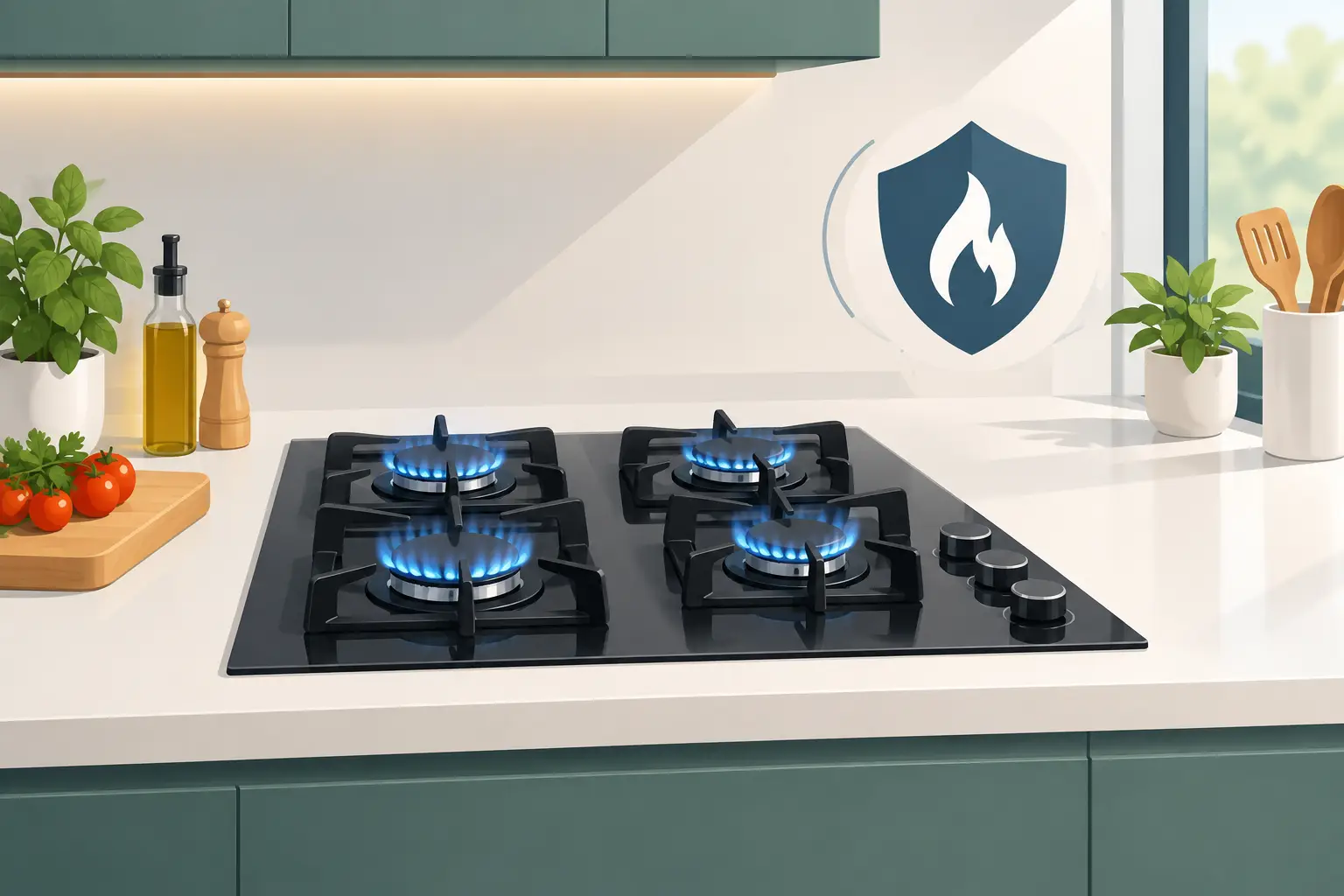
A blue flame under a wok, a skillet that responds the moment you turn the knob, dinner moving from prep to plate without delay – this is why many keen home cooks still choose gas. But are gas hobs safe in a family kitchen? Yes, when the hob is correctly installed, well ventilated, properly maintained, and used with the same care you would give any high-heat appliance.
Gas cooking is not a choice to make on looks or flame control alone. The safest result comes from pairing a quality appliance with thoughtful kitchen planning and simple daily habits. For households that cook often, and for professionals working through a busy service, those details protect the moments that matter around food.
Are Gas Hobs Safe for Everyday Cooking?
A modern gas hob can be a safe, dependable cooking surface. Its open flame is visible, heat adjustment is immediate, and well-designed models incorporate features intended to stop gas flow if the flame goes out unexpectedly. Yet gas does require more active awareness than some electric alternatives. You are cooking with a flame and a fuel supply, so installation and ventilation are part of the appliance decision, not optional extras.
The main risks are straightforward: an unattended flame can ignite nearby materials, a pan can boil over and extinguish a burner, and damaged connections can allow gas to escape. Inadequate ventilation can also leave cooking fumes and combustion byproducts in the kitchen. These are manageable risks, but they should not be dismissed.
The practical question is not whether gas is inherently safe or unsafe. It is whether your kitchen, appliance choice, and cooking routine are set up to use it responsibly.
The Safety Features That Make a Difference
When comparing gas hobs, look beyond burner count and finish. The most valuable features are the ones that quietly reduce risk during normal cooking.
A flame-failure safety device is one of the most significant. It detects when a flame has gone out and shuts off the gas supply to that burner. This can be especially reassuring when a pot boils over, a draft affects a low flame, or someone accidentally knocks a burner out. Not every gas hob includes this feature, so confirm it before purchasing rather than assuming it is standard.
Electronic ignition is another useful convenience and safety feature. It lights the burner directly from the control, avoiding the need for matches or handheld lighters near the gas source. Controls that are clearly marked, easy to grip, and positioned away from the hottest area also make day-to-day cooking more intuitive.
Pan supports matter, too. Sturdy, level grates help keep cookware stable, particularly when handling a heavy stockpot or a large pan of simmering sauce. For households with children, knob guards or removable knobs may provide an added layer of control. They are not a substitute for supervision, but they can reduce accidental activation.
Ventilation Is Part of a Safe Gas Kitchen
A range hood is not merely a finishing touch above the cooktop. It helps capture steam, grease, odors, and particles created while cooking. With gas, effective ventilation also helps remove combustion gases from the kitchen.
For the best performance, choose a hood sized appropriately for the cooktop and cooking style, and use it every time you cook, not only when frying. A hood that vents outdoors is generally more effective at removing air from the room than a recirculating model. If outdoor venting is not possible, a quality recirculating hood can still help with grease and odors, but it needs regular filter care and does not replace the value of fresh airflow.
Open a nearby window when conditions allow, particularly during long cooking sessions or high-heat cooking. Keep hood filters clean so air can move freely. A hood that looks elegant but is rarely switched on will not deliver the protection your kitchen needs.
Professional Installation Is Non-Negotiable
A gas hob should be installed and connected by a qualified professional in accordance with local codes and the manufacturer’s instructions. This is not a project for improvised fittings or a quick DIY adjustment.
The installer should verify that the appliance is compatible with the available gas supply, whether natural gas or propane. Using the wrong fuel type or incorrect burner components can affect flame quality, cooking performance, and safety. They should also check for leaks, confirm proper clearance from surrounding cabinetry and walls, and ensure that the hose, regulator, and shutoff valve are accessible and suitable for the installation.
If you smell gas, do not try to locate the leak with a flame or continue using the appliance. Avoid switches, electrical equipment, and anything that could create a spark. Leave the area if necessary, turn off the gas supply only if it is safe to do so, and contact your gas provider or a qualified technician. The smell is deliberately added to fuel gas so a possible leak can be recognized quickly.
For extra peace of mind, install carbon monoxide alarms in the home according to local requirements and the alarm manufacturer’s placement guidance. An alarm is a backup, not a replacement for proper venting and maintenance.
Everyday Habits That Keep Cooking Confident
The safest kitchens tend to follow a few consistent routines. Stay nearby while burners are on, especially when frying, simmering with lots of liquid, or cooking with oil. Turn pan handles inward so they cannot be caught by a passing arm or pulled by a child.
Match the pan size to the burner. Flames should not extend beyond the base of the cookware, where they can heat handles, waste energy, and increase the chance of burns. Keep dish towels, paper packaging, oven mitts, and cooking oils away from active burners. A clear cooking zone gives you room to move with confidence.
Before lighting a burner, take a quick look at the cap and grate. Burner caps that are out of position can lead to uneven flames or poor ignition. If the flame is mostly yellow, flickering unusually, producing soot, or repeatedly going out, stop using that burner until it has been inspected. A healthy flame is generally steady and predominantly blue.
Clean spills after the surface has cooled. Food residue can block burner ports, interfere with ignition, and make a hob harder to maintain over time. Avoid flooding the controls or using abrasive tools that could damage the finish. Regular, gentle cleaning preserves both performance and the refined appearance of the cooking space.
Gas, Electric, or Induction: Which Feels Safest?
There is no single answer for every home. Induction cooktops do not use an open flame and keep the surrounding surface relatively cooler, which may suit households with very young children or anyone seeking a lower-contact cooking experience. Electric cooktops also remove the need for a gas connection, though residual heat remains after switching off.
Gas remains a strong choice for cooks who value direct flame control, quick response, and versatility across cookware types. It can also continue to work during some power interruptions, depending on the ignition system and local conditions. The trade-off is that it demands proper ventilation, professional installation, and a more attentive approach to open-flame cooking.
For a busy family kitchen, the right choice should reflect how you cook, who uses the space, and what your home can support. A beautifully designed gas hob with dependable safety features can make everyday meals feel precise, efficient, and enjoyable. VEES designs kitchen solutions around that balance: performance that supports faster cooking and thoughtful details that help life flow more easily.
A safe kitchen is built through small, reliable choices – the right appliance, a hood that is used consistently, a professional installation, and the habit of staying present at the stove. With those foundations in place, a gas hob can remain a confident centerpiece for weeknight dinners, shared celebrations, and every recipe in between.