
Cart 0

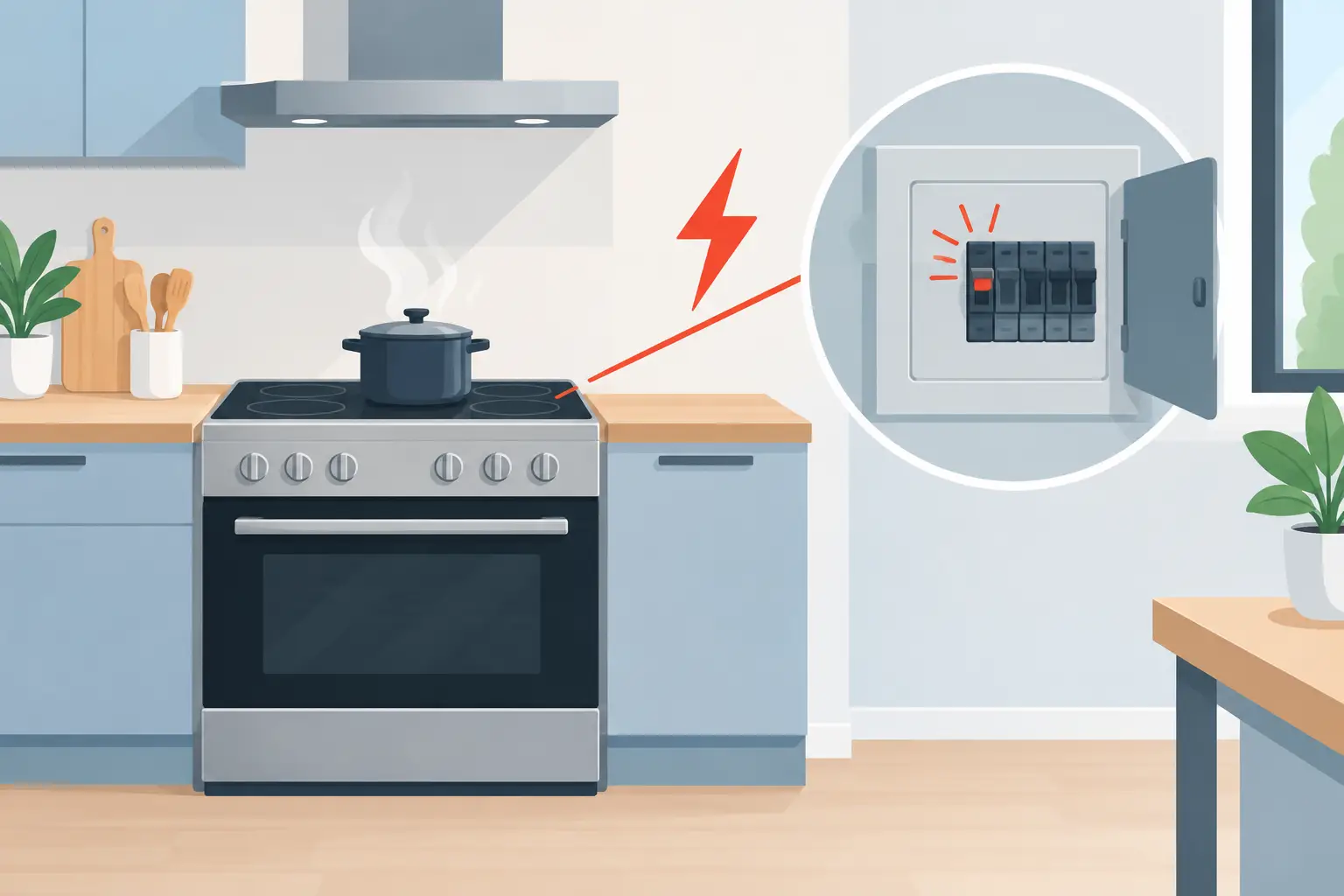
A family dinner should not end with the kitchen going dark just as the oven heats up. The answer to why cooker trips happen is usually found in the electrical load, the appliance itself, or moisture where it should not be. A tripped breaker is not simply an inconvenience – it is a safety feature doing its job by interrupting power when it detects a potential problem.
For homeowners and busy foodservice teams alike, the right response is calm, practical, and safety-first. Understanding the likely causes can help you describe the issue clearly, avoid damaging your cooker, and know when a qualified electrician or appliance technician is needed.
Why Your Cooker Trips the Breaker
An electric cooker draws substantial power, particularly when several heating zones, the oven, and a grill or broiler are operating at the same time. That makes its power supply different from that of smaller countertop appliances. Most full-size electric cookers require a correctly sized dedicated circuit, so even a small fault can cause the breaker to trip.
The timing of the trip provides a useful clue. Does it happen as soon as power is switched on? Only when a particular burner heats? After the oven has been running for 10 minutes? Or when several other appliances are also in use? Those details help narrow down the cause without asking anyone to take unsafe risks.
The circuit is overloaded
An overload occurs when the circuit is asked to supply more electricity than it is designed to handle. This can happen when a cooker shares a circuit with other high-draw equipment, or when a commercial kitchen adds equipment over time without updating its electrical capacity.
At home, a range or electric cooker should generally have its own dedicated circuit. In a professional setting, the calculation is more involved because multiple cooking stations, refrigeration, extraction, and prep equipment may be operating together. If the breaker trips only during peak use, the appliance may be working correctly while the circuit design is the limiting factor.
Do not solve an overload by repeatedly resetting the breaker or fitting a larger breaker yourself. Circuit protection must match the wire size and appliance requirements. An electrician should assess the circuit and recommend the appropriate solution.
A heating element may be failing
A worn or damaged heating element is one of the most common appliance-related causes. Over time, the insulation around an element can deteriorate. Once the element gets hot, electricity may leak to the metal body of the cooker or to ground, causing a ground-fault protective device or breaker to trip.
This pattern often appears when the oven reaches a certain temperature, when the broiler is selected, or when one specific electric cooking zone is turned on. You may also notice uneven heating, a visible blister or crack in an element, or a burning smell. Stop using that function until it has been inspected. Continuing to heat a damaged element can turn a straightforward repair into a larger safety issue.
Moisture is affecting electrical parts
Steam, boil-overs, heavy cleaning, and high humidity can allow moisture into controls, burner connections, or wiring areas. This is especially relevant after a deep clean, a spill near the control panel, or a long period when the cooker has not been used.
If a trip occurs after liquid has spilled onto an electric cooktop, switch the appliance off and allow it to cool. Do not continue testing it by turning it on repeatedly. Surface moisture may evaporate, but liquid that has entered internal components needs proper assessment. Commercial kitchens should also pay close attention to cleaning routines around electrical equipment, where speed must never compromise safe drying time.
Damaged wiring, plugs, or connections
Loose, scorched, or damaged connections can create heat and electrical faults. For plug-in appliances, inspect the visible power cord and plug only after disconnecting power if it is safe to do so. Look for discoloration, fraying, melted plastic, or a plug that feels unusually hot after use.
Hardwired cookers require more caution. The connections behind the appliance and at the electrical outlet or junction box should be checked by a qualified professional. Moving a heavy range without the right support can damage the cord, strain connections, or affect the anti-tip bracket. It is a job best handled with the correct equipment and experience.
The breaker or protective device may be the issue
Breakers can wear over time, particularly in locations with frequent tripping, heat, or heavy use. A weak breaker may trip below its intended load. Ground-fault circuit interrupters, often called GFCIs, can also trip when they detect a small current leak that a standard breaker may not detect.
That does not mean the cooker is automatically at fault. A technician may need to test both the appliance and the circuit before identifying the source. Replacing parts based on guesswork can add cost without addressing the real issue.
Safe Checks Before You Call for Service
Start by noting what was happening immediately before the power went off. Record which cooking mode was selected, how long the appliance had been running, and whether other large appliances were in use. This information is often more helpful to a technician than a general description that the cooker “keeps tripping.”
If the breaker has tripped once, you can turn off the cooker controls, let the appliance cool, and reset the breaker one time. If it trips again immediately, or trips when a specific function is selected, leave it off. Repeated resets can stress the electrical system and may mask an active fault.
You can also check for obvious, external signs: spilled liquid around controls, a damaged cord, a burning odor, flickering display, or scorch marks. Never remove panels, touch exposed wiring, bypass safety devices, or use an extension cord to power a full-size electric cooker. These shortcuts create risks far greater than the inconvenience of a delayed meal.
When the Cooker Needs Professional Attention
Arrange professional service promptly if the breaker trips repeatedly, the cooker trips as soon as it is switched on, or you see smoke, sparking, scorching, or melted components. The same applies if there is a persistent burning smell, buzzing from the electrical connection, or a shock or tingling sensation when touching the appliance. Turn off power at the breaker if it is safe to do so and do not use the cooker until it has been checked.
For a newer appliance, confirm that installation meets the manufacturer’s electrical requirements. Correct voltage, dedicated circuit capacity, grounding, and secure connections all matter to performance and longevity. A cooker designed for fast, precise cooking can only deliver that experience when the electrical foundation is equally dependable.
Restaurant operators should treat repeated trips as a workflow and safety concern, not merely a maintenance task. A cooker going offline during service can disrupt timing, food quality, and team coordination. Scheduled inspection of high-use cooking equipment and electrical connections is usually less disruptive than an unexpected shutdown during a busy shift.
Preventing Future Cooker Trips
Prevention starts with suitable installation and everyday care. Keep spills from reaching controls and electrical areas, avoid overloading nearby outlets, and use the appliance according to its intended capacity. Make sure ventilation is adequate, since excessive heat around electrical components can shorten their service life.
When choosing or upgrading cooking equipment, consider more than appearance and cooking features. The right appliance should suit the available power supply, the size of the kitchen, and how often you cook. For households that host often and kitchens that operate at a professional pace, dependable electrical planning is part of creating easier, more enjoyable moments around food.
A breaker that trips is asking for attention. Responding early protects the cooker, the kitchen, and the people who gather there to cook and share.