
Cart 0

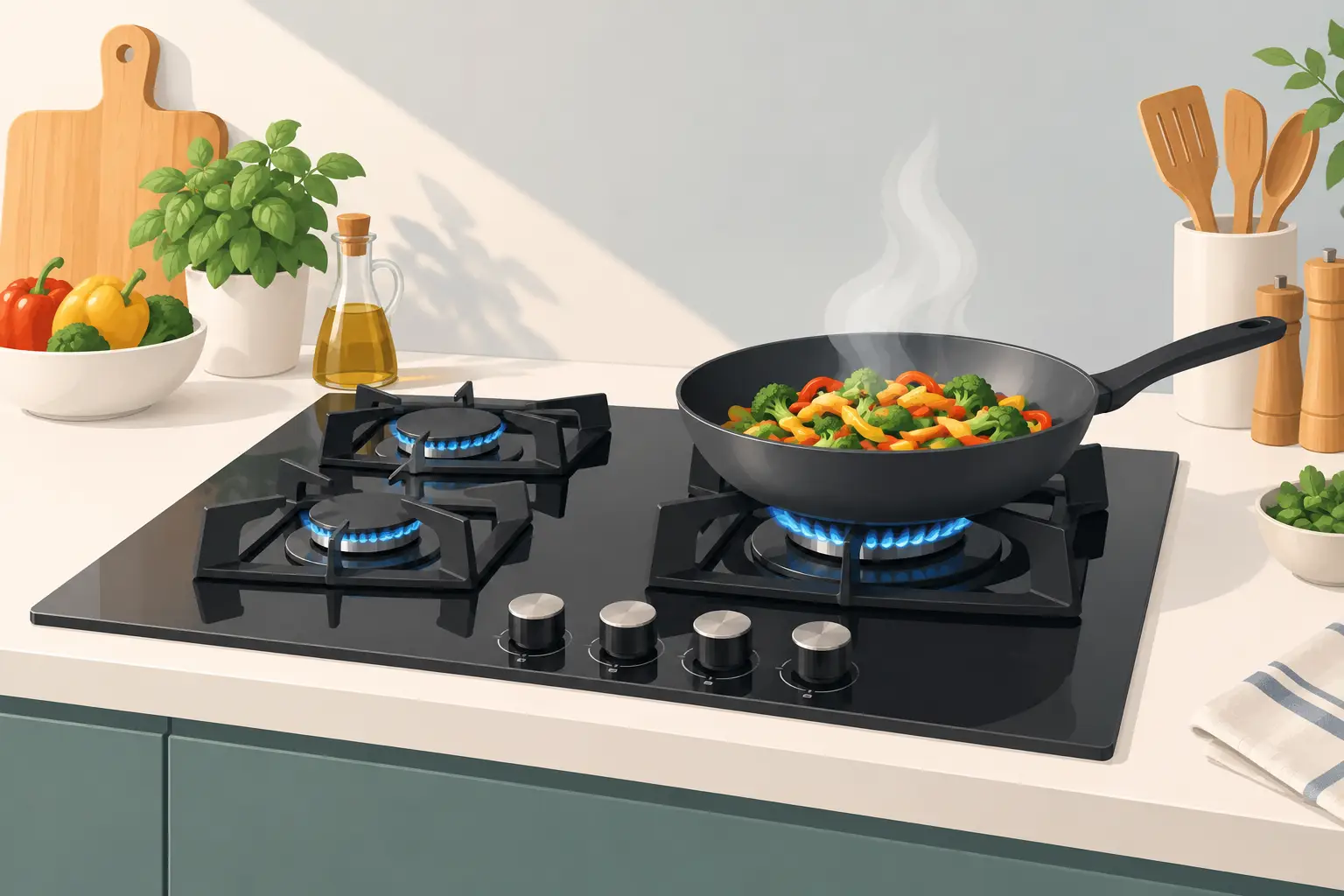
The difference between a rushed dinner and a meal worth lingering over can come down to heat you can see and control. Gas hobs give cooks an immediate flame response, making it easier to bring water to a boil, lower a sauce before it catches, or keep a skillet at the right temperature for a crisp finish. For households that cook often and food businesses working through busy service hours, that control makes every task feel more confident.
A well-chosen cooktop should do more than heat a pan. It should support the rhythm of the kitchen, look at home in the space, and stand up to the meals people count on every day. That is where the right gas hob earns its place.
Why Gas Hobs Still Belong in Modern Kitchens
Modern kitchens are designed around convenience, but convenience is not always about pressing a button. Sometimes, it is about making an adjustment at exactly the right second. With a gas flame, the change from high heat to a gentle simmer is visible and immediate. There is no waiting for an element to cool down when a delicate custard, curry, or pan sauce needs attention.
That responsiveness works across cooking styles. A powerful burner can support a large pot of pasta or stock, while a smaller burner gives everyday tasks such as warming soup or melting butter more control. Cooks who enjoy stir-frying, searing, and quick sautéing often appreciate the direct heat and broad compatibility with cookware, including many woks, skillets, and saucepans.
Gas also offers a familiar, practical cooking experience for multigenerational homes. One person may be preparing breakfast while another starts dinner prep, and everyone can understand the flame at a glance. The result is a kitchen that feels intuitive rather than complicated.
Choosing Gas Hobs for the Way You Cook
The best cooktop is not automatically the one with the most burners or the boldest finish. It is the one that matches the size of your household, the meals you prepare, and the available counter space. A compact two-burner model can be a smart choice for a smaller apartment, auxiliary kitchen, or light commercial prep area. For a family kitchen where multiple dishes are prepared at once, four or five burners provide more freedom to cook without constantly moving pans around.
Think about burner layout, not only burner count
Look closely at where the burners sit. A generous layout makes it possible to use larger pots side by side without handles knocking into each other. This matters on busy evenings, when rice is steaming, vegetables are simmering, and a main dish needs steady heat all at once.
Different burner sizes are equally valuable. A high-output burner is useful for rapid boiling and high-heat cooking, while a smaller simmer burner helps protect ingredients that need patience. If you regularly cook for a crowd, a central wok burner or a larger burner zone can make a noticeable difference in speed and flexibility.
Choose materials that suit your maintenance routine
Gas hobs are available in finishes that bring different strengths to the kitchen. Stainless steel feels timeless, professional, and durable, especially in hardworking spaces. Tempered glass delivers a sleek, contemporary appearance that can complement modern cabinetry and is generally simple to wipe after cooking.
Neither option is universally better. Stainless steel can show fingerprints and water spots, while glass requires care to avoid scratches and should be cleaned after spills cool. The right choice depends on whether your priority is a commercial-inspired look, a polished minimalist surface, or the easiest match for your wider kitchen design.
Make safety features part of the decision
A visible flame gives useful feedback, but gas appliances should also include dependable safety engineering. Flame-failure protection is a particularly valuable feature because it cuts off the gas supply if the flame goes out unexpectedly. Automatic ignition can also simplify daily use by removing the need for separate lighters or matches.
For homes with children, clear controls and easy-to-read markings matter. In a restaurant or shared commercial kitchen, durable knobs, stable pan supports, and controls that can withstand frequent use become even more important. Safe cooking begins with the appliance, but it also depends on proper installation, adequate ventilation, and regular care.
Installation Sets the Foundation for Performance
A gas hob should be installed by a qualified professional who can confirm the appliance is compatible with the available fuel supply, whether natural gas or propane. This is not an area for guesswork. Local building codes, shutoff valve placement, cabinet clearances, and ventilation requirements all affect safe operation.
Before selecting a model, measure the countertop cutout as well as the usable space around it. A hob can fit the opening but still feel cramped if there is not enough room for pans, utensil handles, or adjacent appliances. It is also wise to consider the range hood early. Effective extraction helps manage steam, grease, and cooking odors, keeping the kitchen more comfortable for family meals and demanding prep sessions alike.
Commercial operators should take an even broader view. The cooktop must support the menu, the pace of service, and the workflow around prep tables, refrigeration, and cleaning areas. A powerful appliance is only useful when staff can work safely and efficiently around it.
Everyday Habits That Keep a Gas Hob Looking Its Best
The most reliable care routine is simple: clean spills soon after the surface has cooled, and avoid letting grease build up around burners and controls. Remove pan supports and burner caps as directed by the manufacturer, then wash and dry them thoroughly before putting them back. Moisture or food residue can affect ignition and cause an uneven flame.
Use non-abrasive cloths and cleaners suited to the hob surface. Harsh scouring pads may damage stainless steel or scratch glass finishes. If burner ports become blocked, follow the appliance care instructions carefully rather than forcing objects into the openings.
Pay attention to flame color, too. A steady blue flame generally indicates proper combustion. A consistently yellow, weak, or irregular flame may signal that the burner needs cleaning or that professional servicing is required. If you smell gas, turn off the appliance if it is safe to do so, avoid creating sparks or flames, leave the area, and contact the appropriate gas provider or emergency service.
Matching Heat to Better Results
Gas cooking rewards small adjustments. Start with medium heat more often than maximum heat, particularly when preheating a pan. Once the pan is hot, raise or lower the flame based on the food rather than relying on one setting throughout the recipe. This helps prevent scorched oil, uneven browning, and sauces that reduce too quickly.
Keep the flame beneath the base of the cookware rather than curling up the sides. This improves efficiency, protects pan handles, and reduces unnecessary heat in the kitchen. Flat-bottomed pans with stable bases are ideal for everyday cooking, while a properly supported wok can bring high-heat dishes to life.
For families, this level of control can make weeknight cooking feel less demanding. For chefs and operators, it can improve consistency across repeated dishes. A responsive flame does not replace skill, but it gives skill a more immediate way to shape the final result.
A Cooktop Designed for Shared Moments
The kitchen is often where the day reconnects: coffee before work, a quick lunch between commitments, or a full table after everyone gets home. A gas hob supports those moments by making cooking feel direct, capable, and enjoyable. It gives the home cook room to try new techniques and gives the experienced cook the control to prepare familiar favorites with confidence.
VEES approaches kitchen performance with that balance in mind: dependable function, thoughtful safety, and design that fits naturally into a modern space. The ideal choice will depend on your fuel setup, cooking habits, and kitchen layout, but a quality gas hob can become the steady center of meals prepared with care. Choose one that makes room not only for faster cooking, but also for more moments of sharing.