
Cart 0

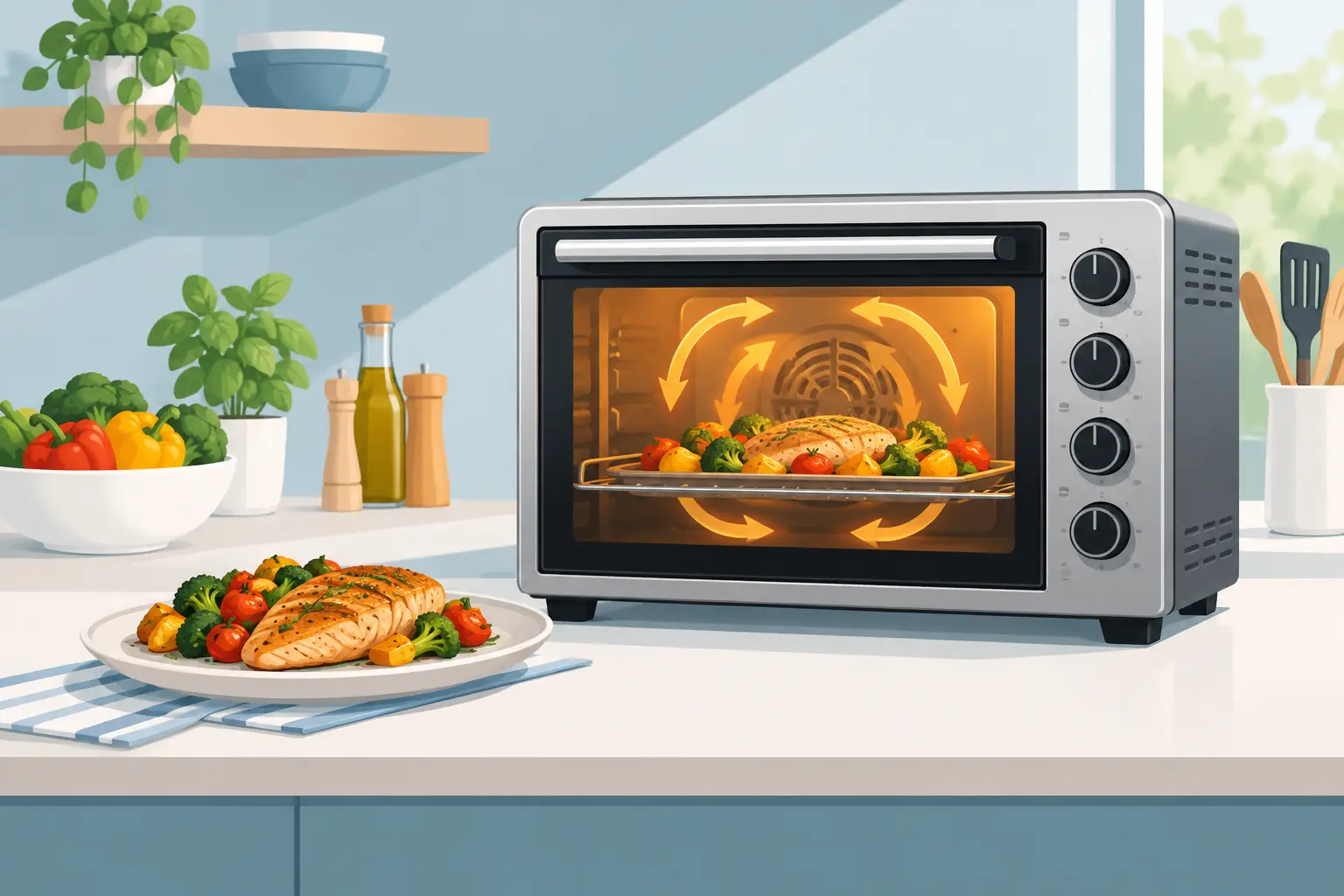
A sheet pan of chicken and vegetables should not demand two hours of attention. Yet in many kitchens, uneven browning, slow preheating, and trays that cook differently from one rack to the next can turn a simple family dinner into a compromise. This convection oven review looks at whether fan-assisted cooking delivers the faster, more consistent results that busy home cooks expect.
For households that cook often, the appeal is easy to understand. A convection oven circulates hot air around food rather than relying only on still heat. That movement can help produce crisp roasted vegetables, golden pastries, and evenly cooked proteins with less waiting. It is a practical upgrade for everyday meals, weekend baking, and the moments of sharing that bring everyone back to the table.
What a Convection Oven Changes in Daily Cooking
A conventional oven heats the air inside the cavity, while a convection oven adds a fan to circulate that heat. The difference may sound minor, but it changes how heat reaches the surface of food. Moving air helps moisture evaporate more efficiently and reduces the hot and cool areas that can make one side of a tray brown before the other.
The result is often more even color and a crisper finish. Roast potatoes develop better edges. Chicken skin can turn more golden without overcooking the center. Cookies are more likely to bake consistently across a full tray. For a family preparing several dishes at once, convection can also make multi-rack cooking more realistic.
Speed is another reason shoppers consider it. Because circulating heat transfers energy efficiently, many recipes can be cooked at a slightly lower temperature or in less time. A common starting point is to reduce a conventional recipe by about 25°F, then check food earlier than usual. The exact adjustment depends on the oven, the dish, and the cookware, so the first few uses are about learning your appliance rather than following a rigid rule.
Convection Oven Review: Where It Performs Best
Convection cooking is at its strongest when the goal is browning, roasting, or cooking a larger quantity of food evenly. A full tray of vegetables, a batch of wings for guests, or several pans of baked pasta can benefit from the steady circulation of heat.
Roasting and crisping
Roasting is where many owners notice the biggest change. Airflow encourages surface moisture to evaporate, helping food caramelize instead of steam. This is especially useful for vegetables, potatoes, fish fillets, and poultry. It also makes convection a valuable feature for cooks who want satisfying texture with less dependence on added oil.
For best results, leave some space between ingredients. Overcrowding a pan traps steam, and no fan can fully correct that. A shallow, rimmed baking sheet generally gives food more exposure to moving air than a deep casserole dish.
Baking multiple trays
For cookie batches, pastries, and appetizers, convection can reduce the need to rotate pans midway through cooking. That said, results still depend on rack placement and the oven’s fan design. If two trays sit too close together, airflow is restricted. Giving each tray adequate room is the simplest way to take advantage of the feature.
Home bakers should use care with delicate cakes, souffles, custards, and quick breads. Strong air movement can set an outer crust before the center has time to rise properly, or it can dry a sensitive batter. Many modern ovens include a conventional bake setting for precisely this reason. A good oven offers flexibility, not a one-setting-fits-all approach.
Family meals and entertaining
A convection oven earns its place during busy evenings because it supports efficient timing. You can roast vegetables while baking a main dish, or prepare appetizers and a dessert without waiting for one recipe to finish before starting the next. For households that host often, that capacity can mean less time managing the kitchen and more time at the table.
The same principle matters in a small foodservice operation. Consistent browning and reliable cooking across multiple trays help teams maintain quality when orders arrive quickly. Commercial users should still choose equipment built for sustained daily demand, with cavity size, recovery time, ventilation needs, and cleaning requirements matched to their workflow.
The Trade-Offs Worth Knowing Before You Buy
A balanced convection oven review should be clear about the limits. Convection is not automatically better for every recipe, and it does not replace careful cooking habits.
First, food can brown sooner than expected. This is an advantage for roasting, but it can become a problem if a recipe has not been adjusted. Start checking smaller items early, especially cookies, thin cuts of meat, and foods with sugar-heavy glazes.
Second, a fan creates sound. In a well-designed appliance, it is usually a modest operating noise, but it is still noticeable in an open-plan kitchen. The fan may also continue running after cooking to cool internal components. This supports appliance care and safety, though it can surprise first-time users.
Third, airflow can dry food if cooking times are excessive. Covered braises, custards, and dishes where retaining moisture matters may be better prepared using conventional heat. Some ovens offer fan-assisted modes with gentler circulation, which can give cooks more control.
Finally, oven capacity matters as much as the convection feature itself. A compact cavity may suit a couple or a small apartment kitchen, while a larger family may need enough room for a roasting pan and side dishes. Measure the installation space, but also consider the usable rack width, door clearance, and the size of the cookware you use most often.
Features That Make a Difference
The strongest choice is not simply the oven with a fan. It is the one that makes daily cooking easier through thoughtful performance and design. Look for reliable temperature control, clear mode selection, and a door window large enough to monitor food without releasing heat. Interior lighting, removable rack guides, and surfaces that are easy to wipe down can make a meaningful difference over years of use.
Safety deserves equal attention. A cool-touch door, dependable door seal, stable racks, and automatic shutoff options are particularly valuable in family kitchens. For homeowners building a modern kitchen, the finish and control layout also matter. An oven should look at home beside the cooktop and range hood while remaining intuitive enough for every member of the household to use confidently.
If you regularly prepare roasts, pizzas, baked goods, and sheet-pan meals, prioritize multiple cooking modes. A conventional setting gives you control for delicate recipes, while convection provides speed and browning when the meal calls for it. This combination offers more value than a single-purpose design.
How to Get Better Results From Day One
Begin with familiar recipes. Roast vegetables or bake a sheet pan of chicken before testing a celebration cake. This helps you understand how quickly your oven browns food and whether your preferred recipes need a temperature or timing adjustment.
Use cookware with the result in mind. Dark metal pans absorb heat and may brown food quickly in convection mode, while lighter pans provide a gentler finish. Low-sided sheet pans encourage airflow, whereas covered dishes hold moisture for slow-cooked meals. There is no need to replace every pan in your kitchen, but matching the vessel to the dish improves consistency.
Keep the oven clean, especially around vents and the door seal. Built-up grease can create smoke and unwanted odors during high-heat cooking. A clean cavity also helps preserve the fresh flavors that make a simple home-cooked meal feel special.
Is a Convection Oven Worth It?
For cooks who value faster roasting, more even baking, and practical flexibility, the answer is often yes. Convection is especially worthwhile for busy families, frequent entertainers, and anyone tired of rotating trays or settling for pale, uneven results. It is less essential for people who mostly reheat meals or prepare delicate baked goods, although a model with both conventional and convection modes still offers useful range.
The best purchase is one that fits how you really cook. Choose an oven with dependable performance, thoughtful safety features, and a design that supports the rhythm of your kitchen. When dinner can move from preparation to a beautifully finished table with less effort, the appliance becomes more than a feature. It becomes part of the time you get back with the people you enjoy feeding.