
Cart 0

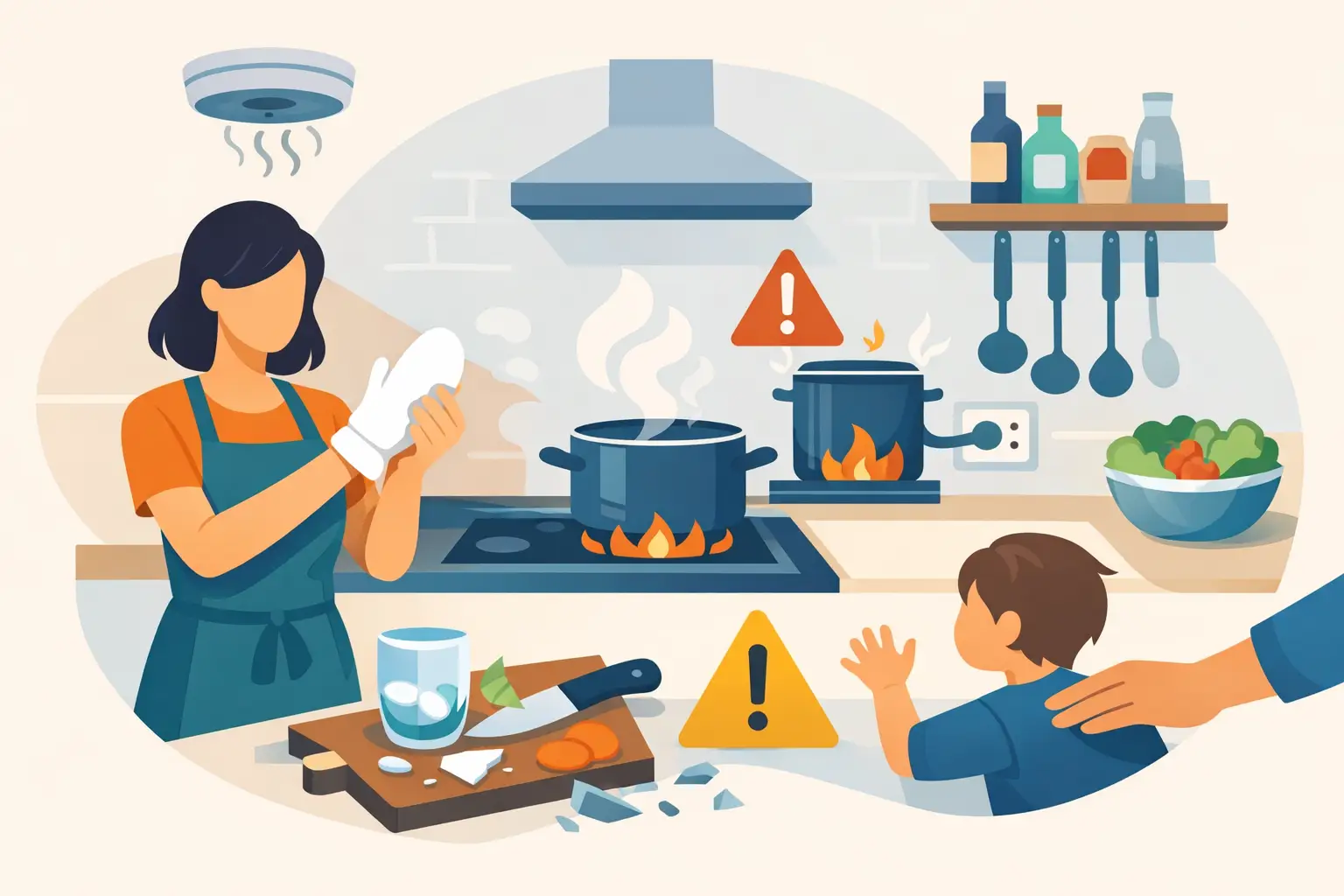
A kitchen can go from calm to chaotic in minutes – a boiling pot, a slick floor, a distracted hand reaching across a hot surface. If you are asking how to improve kitchen safety, the answer starts with something simple: design your routine so safety happens naturally, even when the pace picks up.
That matters whether you are cooking dinner for your family, prepping for guests, or managing a busy service environment. The safest kitchens are not always the biggest or most expensive. They are the ones built around clear movement, dependable equipment, and habits that reduce risk without slowing everything down.
How to improve kitchen safety starts with layout
Most kitchen accidents are not caused by a dramatic mistake. They happen because the space asks too much of people. A crowded prep area, poor ventilation, awkward appliance placement, or limited landing space near a cooktop can turn ordinary cooking into a series of small hazards.
A safer kitchen begins with flow. Keep the path between the sink, refrigerator, and cooking zone as open as possible. If multiple people cook at once, make sure they are not forced to cross behind someone holding a hot pan or opening an oven door. In a commercial setting, this matters even more because repeated movement under pressure increases the chance of collisions, spills, and burns.
Appliance placement also affects safety more than many people realize. A range hood should effectively pull away heat, grease, and smoke so the space stays comfortable and visibility remains clear. Cooktops need enough surrounding surface area to let you set down ingredients and cookware without balancing items near the flame or heating element. Ovens should open into a space where the user can step back safely, not into a tight walkway.
Good kitchen safety is not about making the room feel restrictive. It is about making the right movement the easiest movement.
Heat control is where many problems begin
Burns remain one of the most common kitchen injuries, and they are often preventable. Pan handles turned outward, overheated oil, loose sleeves, and rushing between tasks all create openings for accidents.
Start with visibility and control. Use the right burner size for the pan, and avoid heating empty cookware longer than necessary. If you are working with gas, the flame should stay under the base of the pan rather than licking up the sides. If you are using electric cooking surfaces, remember that residual heat can remain even after the power is off. That is why clear indicators, stable cookware, and attentive use matter so much.
It also helps to reduce unnecessary reach. Keep cooking tools nearby so you are not leaning over steam or reaching across a hot surface for a spatula. Oven mitts should be dry and within easy reach. Wet fabric transfers heat quickly, which is a detail many people overlook until it matters.
Families with children should create a clear no-go zone around active cooking areas. In home kitchens, that may be as simple as teaching children to stay a few feet back while something is on the stove. In professional kitchens, it means making sure every team member knows where hot trays, pans, and oil are moving at all times.
Cleaner surfaces are safer surfaces
Safety and cleanliness are closely connected, but not in a vague sense. Grease buildup, food scraps, standing water, and clutter directly increase the risk of slips, fires, and cross-contamination.
The fastest improvement is often housekeeping. Wipe spills immediately instead of waiting until the end of cooking. Keep floors dry, especially near the sink and stove. Store knives, peelers, and graters in designated places instead of leaving them under towels or in crowded drawers where someone can grab the blade by accident.
Countertop clutter deserves attention too. Small appliances, charging cords, cutting boards, groceries, and containers can quietly crowd the space until there is no safe landing area for hot cookware. When every inch is occupied, people start improvising. That is when pots get set near edges, handles hang out into walkways, and raw ingredients end up too close to cooked food.
A kitchen does not have to look minimal to be safe. It just needs enough working room to support what you are actually doing.
Knife safety depends on sharpness, storage, and focus
People often assume dull knives are safer than sharp ones. In practice, the opposite is usually true. A dull blade requires more force and is more likely to slip, especially on smooth produce or meats.
Keep knives properly sharpened and use the right knife for the job. A chef’s knife for chopping, a serrated blade for bread, and a paring knife for smaller detail work all offer better control than forcing one tool to do everything. Use a stable cutting board with a damp towel or non-slip base underneath so it does not move during prep.
Equally important is attention. Many knife injuries happen when people are multitasking, talking while chopping, or trying to cut too quickly. Speed comes from consistency, not haste. In a commercial kitchen, this is a training issue. At home, it is a habit issue. Either way, focus is one of the most effective safety tools available.
Storage matters after prep is done. Never leave knives loose in a sink full of water, where they become invisible until someone reaches in. A knife block, magnetic strip, or protected drawer insert keeps blades secure and easy to access.
How to improve kitchen safety with better appliances
Reliable appliances make a real difference because they reduce the number of workarounds people rely on. When a burner heats unevenly, when ventilation is weak, or when controls are unclear, users compensate in ways that increase risk.
A well-designed cooktop offers stable heat, clear controls, and a surface that supports confident movement during busy cooking. A dependable range hood improves air quality and helps control grease and smoke, which is especially valuable in both compact home kitchens and high-output commercial spaces. Ovens with secure door seals, predictable heating, and solid construction help reduce handling errors and improve consistency.
This is where safety-focused engineering becomes more than a product feature. It supports a smoother cooking rhythm. VEES builds kitchen solutions around that principle, pairing modern performance with dependable daily use so home cooks and professionals can work with more confidence.
That said, even the best appliance cannot replace proper use. Regular maintenance is part of safety. Clean filters, inspect gas connections, check power cords, and pay attention to signs of wear. If a knob feels loose, ignition becomes unreliable, or a hood is no longer venting effectively, address it early rather than adapting around the problem.
Fire prevention is mostly about early decisions
Kitchen fires rarely start without warning. They usually begin with unattended heat, grease accumulation, or a flammable item placed too close to a cooking surface.
The simplest rule is to stay present when cooking with high heat, oil, or open flame. If you need to step away, lower the heat or turn it off. Keep paper towels, packaging, curtains, and wooden utensils away from active burners. For deep frying or pan frying, avoid filling pans too high with oil, and never add wet food carelessly because splatter can escalate quickly.
Every kitchen should have an appropriate fire extinguisher in an accessible spot, not buried behind storage. But placement alone is not enough. The people using the kitchen need to know when and how to use it. In grease fires, water is never the answer. Turning off the heat and smothering the flame with a lid or proper fire blanket is often the safer response if the fire is still contained.
Prevention also includes ventilation. Smoke and grease vapor do not just affect comfort. Over time, they contribute to residue buildup that can become a fire risk if neglected.
Food safety is part of kitchen safety
Not every kitchen hazard is immediate or visible. Unsafe food handling can harm people just as seriously as a slip or burn.
Raw meat, seafood, eggs, and ready-to-eat foods should be handled with separation in mind. Use different boards or clean thoroughly between tasks. Wash hands after touching raw proteins and before handling cooked food or fresh produce. Temperature control matters too. Food that sits too long in the danger zone between cold storage and proper cooking becomes riskier, especially in hot kitchens.
For home cooks, this may mean planning the order of prep more carefully. For operators, it means building systems that hold up during rush periods. Safety is easier to maintain when the process is realistic for the pace of the kitchen.
Build routines people can actually keep
The best safety plan is the one that still works on a rushed weeknight or during a packed service. That is why overly complicated rules often fail. What lasts are routines that fit naturally into the flow of cooking.
Set up before turning on heat. Keep the floor clear as you go. Return tools to their place. Clean small messes immediately. Check that ventilation is running when needed. Replace damaged equipment before it becomes a bigger issue. These are not glamorous habits, but they create a kitchen that feels calmer, faster, and more controlled.
If you share the kitchen with family members or staff, make expectations visible and consistent. Safety improves when everyone uses the same logic about where hot items go, how knives are stored, and when spills get cleaned. A safer kitchen is not just about better products or better intentions. It is about creating an environment where good decisions are easy to repeat.
A well-run kitchen should feel confident, not tense. When your space, appliances, and habits support each other, cooking becomes safer in a way you can feel every day – smoother movement, clearer focus, and more room to enjoy the moments being made there.