
Cart 0

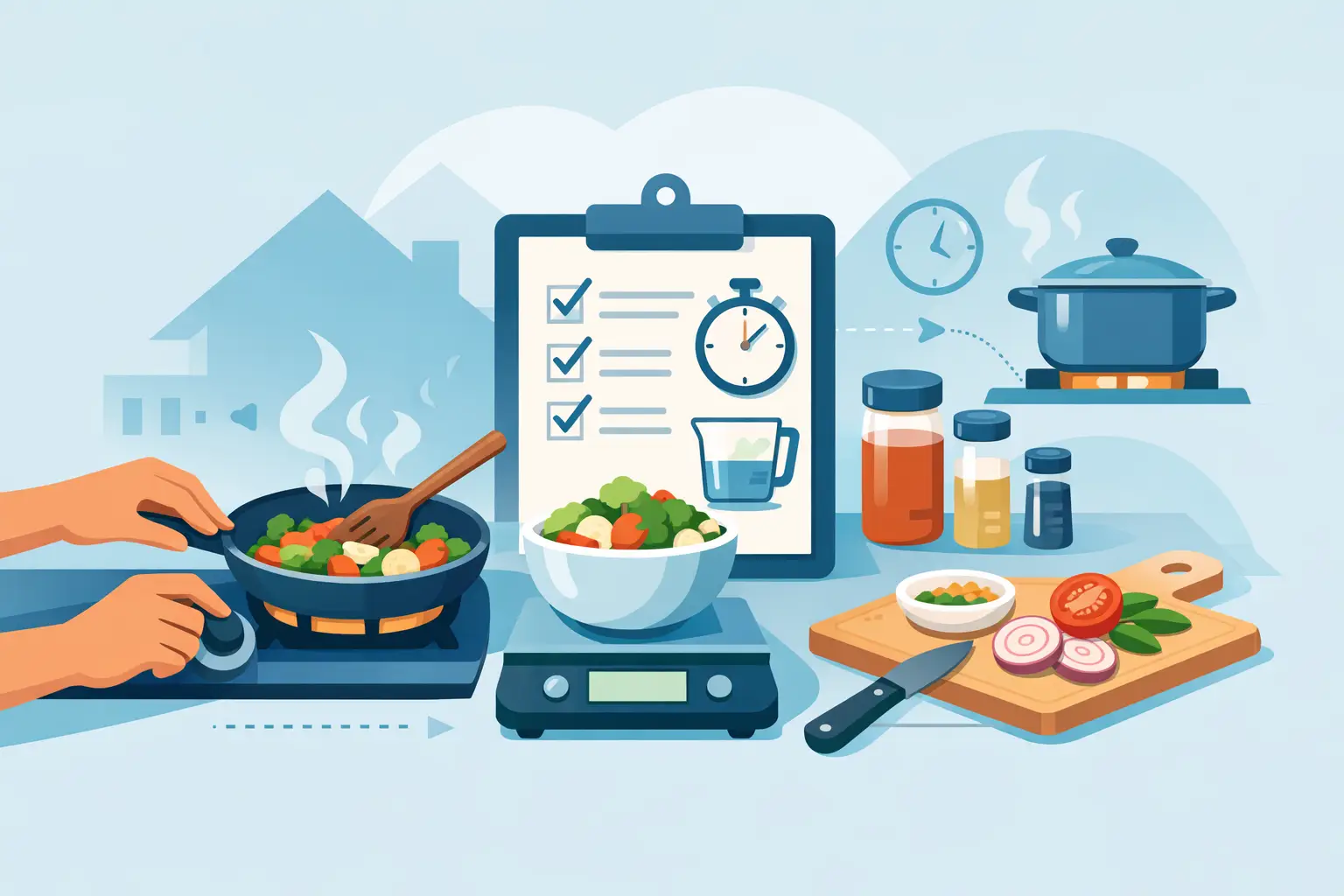
A chicken breast that is juicy on Monday but dry on Wednesday is rarely a recipe problem. More often, it is a control problem: the pan was not equally hot, the pieces were different sizes, or dinner started before every ingredient was ready. Learning how to improve cooking consistency means creating a kitchen routine that produces dependable results, even when the menu changes.
For families, that means less guesswork on busy nights and more confidence when guests arrive. For foodservice teams, it means every plate can meet the same standard during a demanding service. The goal is not to make cooking feel rigid. It is to make great meals easier to repeat.
Consistent Results Begin Before the Heat
The most reliable cooks do much of their work before the stove or oven turns on. Start by reading the recipe through once, then prepare ingredients in the order they will be used. Measuring spices, chopping vegetables, and setting out tools before cooking reduces the rushed decisions that lead to missed timing.
Ingredient size matters more than many home cooks realize. Cubes of potato that vary widely in size will not roast at the same pace. Thick and thin pieces of fish will not finish together. Aim for uniform cuts whenever possible, especially for ingredients that cook in a single pan or tray. This small habit gives heat a fair chance to work evenly.
Portioning is equally useful. When you cook proteins of a similar thickness, they reach their target temperature more predictably. If one piece is much thicker, either separate it, flatten it gently, or give it a head start. Consistency is often built from these quiet adjustments rather than complicated techniques.
Use Measurements for Repeatable Flavor
Cooking by instinct has its place, but seasoning is easier to refine when it is measured. A pinch can mean different things on different days. Use teaspoons and tablespoons when you are developing a family favorite, especially for salt, chili, acids, and concentrated sauces.
Once a dish tastes right, write down what worked. Note the pan size, cooking level, timing, and any changes you made. A simple record turns a good one-time meal into a reliable part of your weekly rotation. Restaurants use standardized recipes for this reason, but the same principle can make home cooking far more relaxed.
How to Improve Cooking Consistency With Better Heat Control
Heat is the variable that has the greatest influence on texture, color, and cooking time. A burner set to medium may behave differently from one cooktop to another, and a gas flame responds differently than an electric heating surface. Instead of relying only on the dial position, learn to read what is happening in the pan.
A properly preheated pan should respond when food touches it. For sautéing, vegetables should sizzle rather than sit silently in a pool of oil. For searing, the surface needs enough heat to brown food quickly without burning the exterior before the center cooks. Preheating is not wasted time. It is what makes the first batch cook like the last.
Avoid overcrowding. When too much cold food enters a pan, the surface temperature drops and moisture collects. Rather than browning, ingredients steam. Cook in batches when necessary, allowing the pan to recover its heat between rounds. It may add a few minutes, but it often improves both flavor and appearance.
Ovens deserve the same attention. Give the oven time to fully preheat, not just until the indicator says it has reached temperature. Many ovens cycle above and below the selected setting to maintain heat. An oven thermometer can reveal whether your appliance runs hot or cool, helping you adjust with confidence rather than guessing why cookies brown too quickly or casseroles take longer than expected.
Choose the Right Cooking Surface
Your cookware changes how heat travels. Heavy-bottomed pans tend to hold heat steadily, making them a strong choice for browning meat, building sauces, and cooking in batches. Lightweight pans heat quickly but can develop hot spots, which may be useful for fast tasks but less forgiving for delicate foods.
Match the pan to the burner or heating zone whenever possible. A small pan on a large burner can scorch around the edges, while a large pan on a small zone may cook unevenly at the perimeter. This is where a well-designed cooktop becomes more than a visual upgrade. Responsive controls and stable heating help cooks make the same decision twice and get the same result.
Build a Timing Routine You Can Trust
A recipe time is a guide, not a guarantee. The actual cooking time depends on ingredient temperature, pan material, food thickness, and the amount being prepared. Instead of treating the clock as the final authority, use it alongside visible and measurable signs of doneness.
For proteins, a food thermometer is one of the most practical tools in the kitchen. It removes uncertainty from chicken, fish, roasts, burgers, and reheated leftovers. Temperature is more dependable than cutting food open repeatedly, which can release juices and disrupt the cooking process.
For vegetables, look for color, tenderness, and moisture. Roasted vegetables should be tender where they are thickest and caramelized at the edges. Pasta should be tasted before draining. Rice should rest after cooking so moisture can redistribute. These checks take seconds and help prevent a meal from being decided by an arbitrary timer.
Resting is another step that improves repeatability. Meat continues to cook briefly after leaving the heat, then holds onto more of its juices when allowed to rest. Baked dishes also benefit from standing time, which lets sauces thicken and portions hold their shape. Plan for this carryover cooking so food does not pass its ideal finish while you prepare the table.
Keep Your Kitchen Setup Working for You
Cooking consistency depends partly on equipment that performs predictably. A loose pan handle, warped tray, weak burner, or oven door that does not seal properly can make even familiar recipes frustrating. Regular care protects both performance and safety.
Keep cooktops clean so residue does not burn onto the surface or interfere with heat transfer. Check range hood filters regularly, especially in kitchens where frying and high-heat cooking are common. Good ventilation keeps the cooking area more comfortable and helps preserve a cleaner environment for the next meal.
For households that cook often or commercial kitchens working through long service hours, dependable appliances reduce unnecessary variables. VEES kitchen solutions are designed around responsive cooking performance, durable construction, and a refined kitchen experience, helping everyday preparation feel more controlled from the first meal to the hundredth.
Know When to Adapt Instead of Repeat
Consistency does not mean refusing to adjust. Fresh produce changes with the season, chicken breasts vary in size, and a crowded kitchen may affect how quickly dishes move from heat to table. The skill is recognizing which variables should stay fixed and which should change.
Keep your core method steady: similar ingredient cuts, measured seasoning, proper preheating, and a clear doneness check. Then adapt the cooking time, heat level, or batch size to what is actually in front of you. This balance protects quality without making cooking feel mechanical.
The next time a dish turns out exactly as you hoped, pause before serving. Notice the pan, heat level, timing, and preparation that made it work. Those small observations become the foundation of meals your family, guests, or customers will look forward to seeing again.