
Cart 0

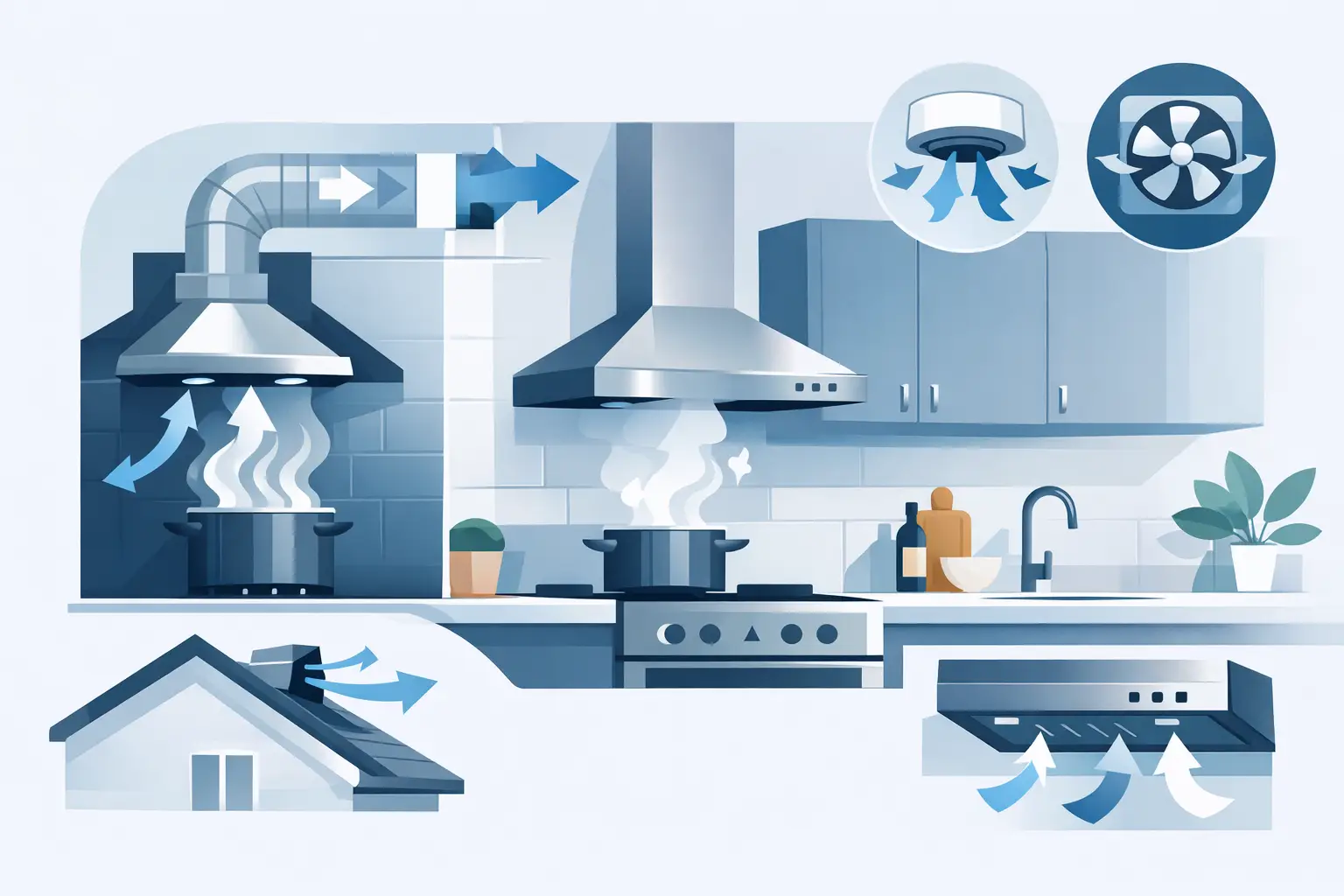
The smell of seared fish, lingering smoke after a stir-fry, and grease settling on cabinet doors are all signs that kitchen air needs more attention. This guide to kitchen ventilation systems helps homeowners and foodservice operators choose a setup that supports cleaner cooking, better comfort, and a kitchen that stays inviting long after the meal is served.
A ventilation system is not simply a finishing touch above the cooktop. It is the appliance and airflow strategy that removes heat, steam, grease particles, odors, and combustion byproducts from the cooking zone. The right choice depends on how you cook, the layout of your kitchen, and whether air can be exhausted outdoors.
What a Kitchen Ventilation System Does
Every cooking surface releases moisture and airborne particles. Even a quick weekday meal can produce steam, oil vapor, and odors that travel well beyond the kitchen. High-heat cooking, frying, grilling, and gas burners create greater demands on ventilation.
A properly selected range hood captures these pollutants near their source. It pulls air through grease filters, then either sends it outside through ductwork or recirculates filtered air back into the room. The result is a cooler, more comfortable space with less residue on surrounding surfaces.
For families, that means a more pleasant kitchen for preparing meals and sharing time together. For restaurants and commercial kitchens, it supports a cleaner, safer work environment where teams can focus on consistent service.
Ducted vs. Ductless Ventilation
The most important decision in any guide to kitchen ventilation systems is whether to vent outdoors or recirculate air indoors.
Ducted systems
A ducted hood moves cooking air through a duct and releases it outside. This is generally the strongest choice for frequent cooking, gas ranges, large cooktops, and households that regularly fry, sauté, or use high heat. Because it removes heat, humidity, grease, and odors from the building, it delivers the most complete ventilation performance.
Its trade-off is installation complexity. The duct route needs careful planning, especially in an island kitchen or a home where the hood sits far from an exterior wall. Long runs, multiple turns, and undersized ducts can reduce airflow and increase noise. A short, straight, properly sized duct path is always preferable.
Ductless systems
A ductless, or recirculating, hood passes air through grease filters and usually charcoal filters before returning it to the kitchen. It can be a practical solution for apartments, renovations, or kitchens where outdoor ducting is not feasible.
It does not remove heat or humidity from the room, and charcoal filters require routine replacement to control odors effectively. Still, a well-maintained ductless unit is a meaningful improvement over having no ventilation at all, particularly for lighter daily cooking.
Match the Hood Style to Your Kitchen Layout
Ventilation should work hard without interrupting the visual flow of the room. The right hood style depends on where the cooktop is located and how much capture area you need.
Under-cabinet hoods are installed beneath upper cabinets and suit many wall-mounted ranges. Wall-chimney hoods become a design feature when there are no cabinets directly above the cooking surface. Island hoods are suspended from the ceiling and need enough width and airflow to capture smoke that can drift in all directions. Insert hoods fit inside a custom enclosure for a more integrated appearance.
Downdraft systems rise from behind the cooktop or pull air downward. They can preserve an open sightline, but they usually have a harder job capturing rising heat and smoke. They tend to be most effective for moderate cooking and should be selected carefully for powerful gas burners or frequent wok cooking.
For most kitchens, choose a hood at least as wide as the cooking surface. Going wider is often worthwhile, especially with an island cooktop or a high-output range. Extra coverage gives smoke and grease less opportunity to escape around the edges.
Understanding Airflow and CFM
CFM, short for cubic feet per minute, describes how much air a hood can move. Higher CFM can be helpful, but it is not the only measure of a good ventilation system. Capture design, hood width, mounting height, ductwork, and filter condition all affect real-world results.
A household that mostly simmers soups and reheats meals may be comfortable with moderate airflow. A home chef who regularly pan-fries, grills, or cooks with intense heat will benefit from greater capacity. Large professional-style ranges need a hood designed to match their output, not simply a hood chosen for its appearance.
Commercial kitchens operate on another level. Their ventilation must be designed around the specific equipment, menu, cooking volume, fire safety requirements, and local regulations. A restaurant line with fryers, charbroilers, and wok stations needs engineered exhaust and make-up air planning, not a residential-style shortcut.
There is also a practical limit to more power. Very high airflow can be noisy, may pull conditioned air out of the building, and can create pressure issues in tightly sealed homes. In some locations, higher-capacity exhaust systems may require make-up air. Check local building requirements and work with a qualified installer when planning a major installation.
Placement Is as Important as Power
A high-performance hood cannot compensate for poor placement. The hood must be mounted at the manufacturer-recommended height above the cooking surface. Too high, and smoke can spread before the hood captures it. Too low, and it can restrict visibility, interfere with tall cookware, or become exposed to excessive heat.
Coverage matters as well. A shallow hood may look streamlined, but it can struggle to capture steam from front burners. This is especially relevant with gas cooking, large stockpots, and front-heavy cooking habits. Consider the depth of your cooktop and where you naturally place pans during busy meal preparation.
When possible, use the rear burners for the smokiest tasks. The back of the hood often captures more effectively, helping the system work with you during high-heat cooking.
Noise, Filters, and Everyday Convenience
A ventilation system should encourage regular use. If it is uncomfortably loud or difficult to operate, people may wait until the kitchen is already smoky before turning it on. Look for controls that are simple to reach, multiple fan speeds, effective task lighting, and a sound level that feels suitable for conversation and family cooking.
Grease filters are another essential detail. Metal mesh or baffle filters collect grease before it reaches the motor and ductwork. They should be cleaned regularly, particularly in homes that cook often and in commercial settings where grease accumulation can become a serious maintenance concern. Dishwasher-safe filters can make this routine easier, but always follow the appliance care instructions.
For ductless hoods, charcoal filters have a different role: they absorb odors. They cannot be washed and reused indefinitely. Replacing them on schedule is central to maintaining recirculating performance.
Plan Ventilation Early in a Remodel
Kitchen ventilation is easier and often more cost-effective to plan before cabinets, ceilings, and finishes are installed. Decide on the cooktop location first, then consider the hood style, duct route, electrical supply, and exterior termination.
Avoid reducing duct size to fit a convenient space. Restrictive ducts, unnecessary bends, and flexible ducting where rigid ductwork is appropriate can lower performance and raise operating noise. The exterior vent cap should also be positioned to exhaust safely and should not be blocked by landscaping, debris, or seasonal buildup.
For a polished result, coordinate ventilation with the rest of the kitchen. A range hood can complement the finish of the cooktop, oven, and cabinetry while remaining a dependable performance appliance. VEES kitchen solutions are designed around this balance of modern styling, practical convenience, and confident everyday cooking.
A Simple Operating Habit That Makes a Difference
Turn the hood on before heat reaches the pan, rather than waiting for steam or smoke to appear. Let it run for several minutes after cooking to clear lingering odors and moisture. Using a lower setting for gentle simmering and a higher setting for searing or frying can also reduce unnecessary noise and energy use.
If smoke still escapes into the room, do not assume the motor is too weak. Check whether the filters need cleaning, whether the hood is wide and deep enough, whether the duct is restricted, and whether the unit is installed at the correct height. Small adjustments can noticeably improve the experience.
The best kitchen ventilation system is one that suits the way you actually cook. When clean air, thoughtful placement, and easy maintenance come together, the kitchen remains ready for quick breakfasts, ambitious dinners, and every moment of sharing in between.