
Cart 0

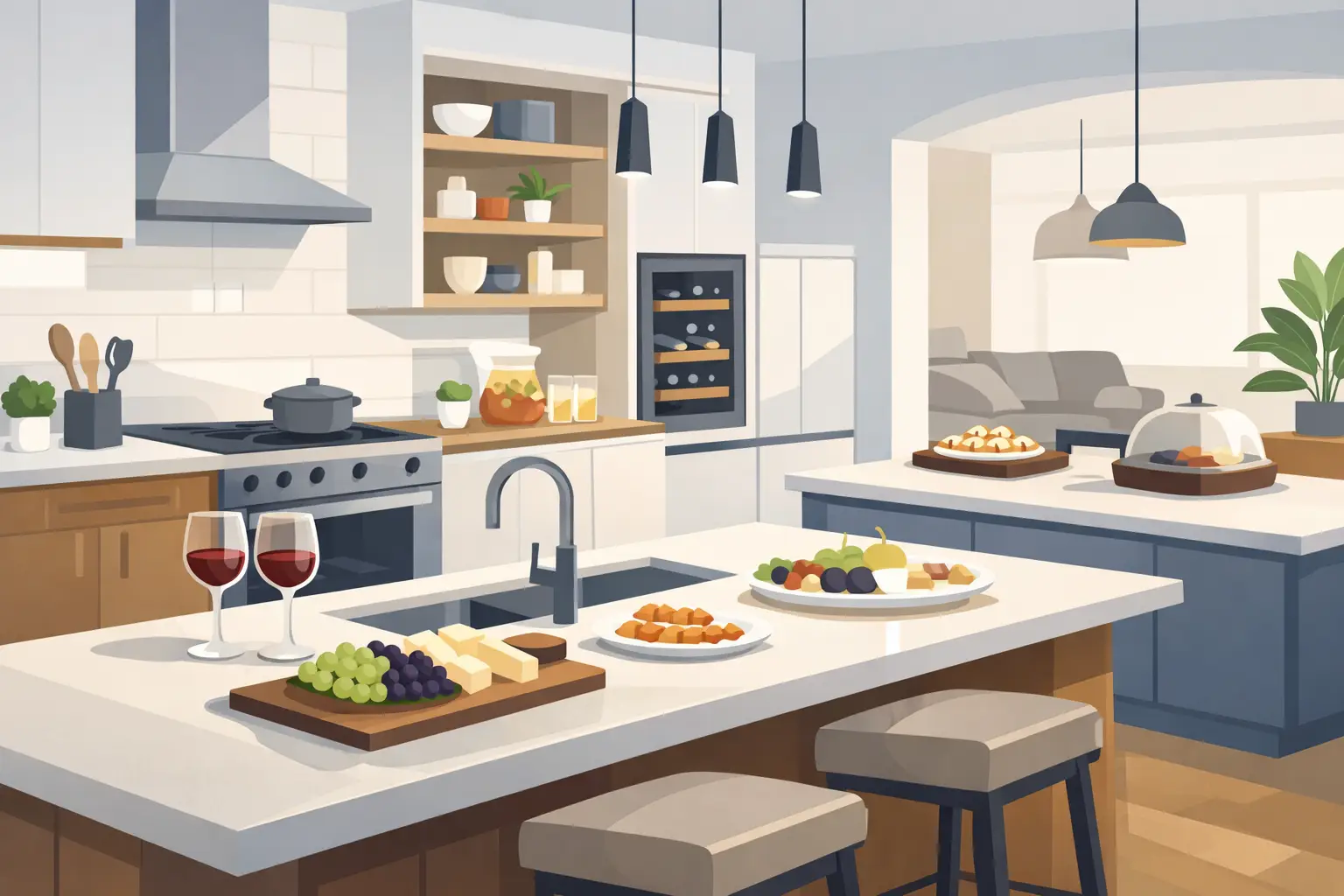
The best hosts are rarely the ones disappearing into the kitchen every ten minutes. They are present for the toast, available when a guest needs a refill, and calm when one more person unexpectedly joins dinner. The right kitchen upgrades for home entertaining make that possible by reducing small points of friction: slow cooking, limited workspace, lingering odors, and the scramble to keep food warm.
A kitchen designed for company does not need to be oversized or filled with specialty gadgets. It needs to support the way people gather. Whether you host Sunday family lunches, casual game nights, or polished holiday dinners, start with upgrades that improve cooking flow, safety, and the comfort of everyone in the room.
Start With the Cooking Zone
When guests arrive, the cooktop becomes the center of activity. Sauces simmer while appetizers heat, a skillet finishes the main course, and coffee may be brewing nearby. A cooking surface that responds quickly and gives you room to manage multiple pans changes the pace of the entire evening.
A larger gas hob is a practical choice for households that regularly prepare several dishes at once. Multiple burners let you keep rice warm, saute vegetables, and finish a protein without moving pans on and off the heat. Look for a layout that leaves enough space between burners for wider cookware. More burners are not automatically better if large pots constantly overlap.
Electric hobs can be equally valuable for an entertaining kitchen, particularly for homeowners who prefer a clean, streamlined look and easy-to-maintain surface. The deciding factor is how you cook. Gas offers visible flame control and fast adjustments, while electric cooking can provide a sleek, consistent surface. Choose the option that feels natural for your favorite menus and your home’s available utilities.
Safety deserves equal attention. Stable pan supports, clearly marked controls, and reliable ignition or heat management help keep a busy kitchen controlled when children, family members, or friends gather close. Good design should help the host cook confidently, not demand constant vigilance.
Make Multi-Dish Meals Easier
An oven is more than a place to roast the main dish. For entertaining, it is a second cooking zone that frees the cooktop for last-minute work. It can bake a dessert while you prepare dinner, reheat side dishes without drying them out, or hold finished food at a low temperature until everyone is ready to serve.
Prioritize usable capacity, even heat, and controls you can understand at a glance. A complicated oven may offer extra functions, but an intuitive one is often more useful when you are coordinating a meal and conversation at the same time. If your gatherings tend to include baked dishes, roasted vegetables, or large trays of food, oven capacity is an upgrade you will notice immediately.
Clear the Air Without Leaving the Party
Entertaining should leave guests remembering the food, not the smell of frying lingering in the living room the next morning. A capable range hood is one of the most overlooked kitchen upgrades for home entertaining, especially in open-plan homes where the kitchen, dining area, and lounge share the same air.
A range hood helps capture smoke, steam, grease, and cooking odors at the source. This matters when searing steaks, pan-frying seafood, or preparing aromatic dishes with garlic, chilies, and spices. Better ventilation also helps reduce the greasy film that can settle on nearby cabinets and surfaces over time.
Match the hood to your cooking style and the size of your cooktop. A hood that is too narrow may miss steam rising from outer burners, while excessive noise can interrupt conversation. Powerful extraction is valuable, but so is a model designed to work efficiently without making the kitchen feel like a commercial prep line. Consider the space around it as well: modern hood designs can contribute a clean focal point rather than visually crowding the room.
Create a Layout That Invites Conversation
Appliances do much of the heavy lifting, but layout determines whether a host feels connected to guests. The goal is simple: create clear zones so people can gather without blocking the person cooking.
An island or peninsula can become the natural social edge of the kitchen. It gives guests a place to sit, children a spot to help with simple tasks, and the host a convenient serving surface. If a full renovation is not on the plan, a movable kitchen cart can provide similar flexibility. Use it for drinks, appetizers, or dessert service so guests do not cluster around the cooktop.
Keep the path between the refrigerator, sink, cooktop, and oven as open as possible. During a party, people often move through the kitchen more than usual. A clear workflow means you can retrieve ingredients, wash produce, and plate food without weaving around stools, bags, or serving dishes.
Lighting is part of the layout, too. Bright task lighting near the cooktop and counters makes preparation safer, while warmer ambient lighting around dining and seating areas keeps the room welcoming. If one fixture controls everything, consider adding under-cabinet lighting or using dimmable bulbs to give the kitchen more than one mood.
Upgrade the Details Guests Actually Feel
Some improvements are less dramatic than a new cooktop or oven, yet they make hosting noticeably easier. Start with counter space. Even a small section of clear, durable workspace can become a plating station, buffet area, or place for guests to set down a glass without getting in the way.
Storage also deserves a closer look. Keep everyday cookware near the cooking zone, serving platters close to where food is plated, and glasses near the refrigerator or beverage station. The fewer drawers you need to open while guests wait, the smoother the evening feels. Deep drawers for pots and pull-out organizers for utensils are especially useful when several dishes are in progress.
A dedicated beverage area can be a smart upgrade for frequent hosts. It does not need a separate room or expensive built-in equipment. A compact counter setup with glasses, ice, water, and a few drink options encourages guests to help themselves. It also keeps refrigerator traffic away from the person preparing food.
For family homes, choose finishes that balance elegance with real-life maintenance. Fingerprint-resistant surfaces, easy-clean cooktops, and durable handles may not be the most glamorous specifications, but they preserve the polished look of the kitchen after a lively meal. The most beautiful entertaining space is one you do not hesitate to use.
Choose Upgrades by the Way You Host
There is no single ideal entertaining kitchen. A household that hosts large holiday meals has different needs from a couple who invites friends over for small shared plates. Before buying, think about your most common gathering rather than the once-a-year event.
If you often cook elaborate meals, invest first in cooking capacity and ventilation. If your gatherings are casual and social, prioritize an open serving area, dependable appliances, and lighting that helps people linger. If you host multigenerational family meals, safety features, accessible storage, and easy-clean surfaces may matter most.
Budget matters, too. A coordinated kitchen renovation can be rewarding, but it is not the only path to a better hosting experience. Replacing an underperforming hood, choosing a more capable hob, or adding an oven with practical capacity can solve the exact problems that make entertaining stressful. Focus on the bottleneck you feel most often.
VEES designs kitchen solutions around this balance of performance, convenience, and modern style, helping home cooks prepare more confidently while keeping the kitchen ready for moments of sharing.
Build a Kitchen That Lets You Stay Present
The most valuable upgrade is the one that gives you back time and attention. Fast, controlled cooking helps dinner come together without panic. Effective ventilation keeps the room fresh. Thoughtful storage and serving zones allow guests to feel at home without taking over the workspace.
Choose pieces that suit your actual routines, maintain them well, and let the kitchen do its job quietly in the background. When the room supports the meal instead of competing with it, you can spend less time managing the kitchen and more time enjoying the people gathered around it.