
Cart 0

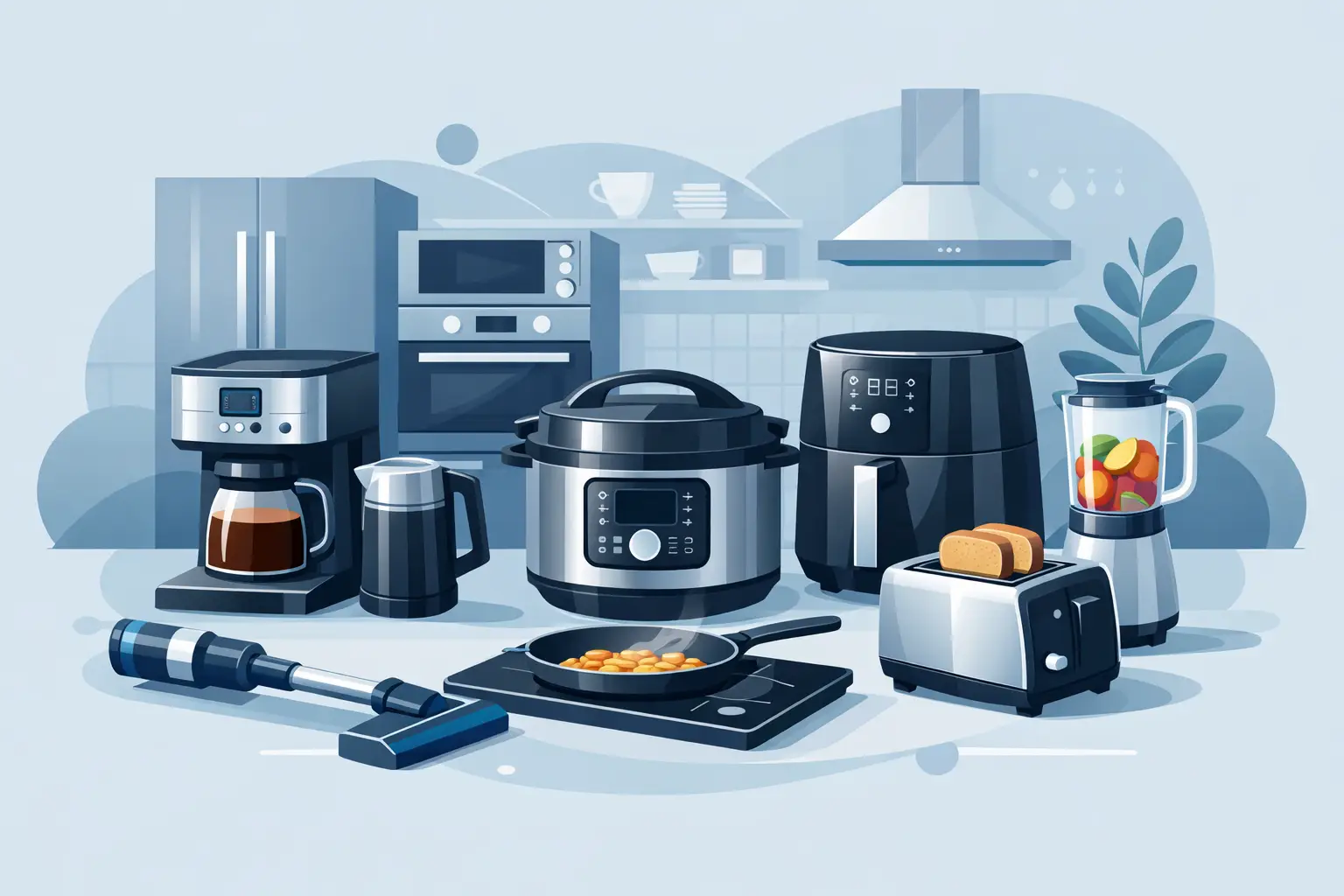
A great kitchen is not defined by how many appliances it holds. It is defined by how confidently it handles the Monday-night family dinner, the weekend gathering, and the rush of a busy service. This guide to modern kitchen appliances focuses on the equipment that earns its place through faster cooking, safer operation, easier cleaning, and a refined look that makes people want to spend time in the kitchen.
For homeowners, the goal may be a calmer, more capable space for everyday meals and moments of sharing. For chefs and business owners, it is dependable performance that keeps pace when orders build. The right choices begin with the way you cook, not with the latest feature list.
Start with the cooking habits that shape your kitchen
Before choosing a hob, oven, cooker, or range hood, consider what happens in your kitchen most often. A household that prepares quick breakfasts and one-pan dinners needs a different setup from a family that cooks several dishes for guests every weekend. A compact cafe kitchen has different priorities from a high-volume restaurant line.
Think about your heat source, available counter space, ventilation route, electrical capacity, and the number of people using the kitchen at once. These details determine whether an appliance will feel like a daily convenience or a recurring frustration.
Modern appliances should reduce unnecessary steps. A fast, responsive cooking surface helps you move from preparation to serving with less waiting. An oven with reliable temperature control makes recipes more repeatable. Effective ventilation keeps steam, smoke, and cooking odors from settling into the rest of the home or dining area.
Style matters, too, but it should support performance. Clean lines, coordinated finishes, and well-placed controls create a polished kitchen. They are most valuable when paired with surfaces that are easy to wipe, materials built for regular use, and controls that remain clear when the kitchen gets busy.
The essential guide to modern kitchen appliances
The core cooking zone is usually built around four categories: the hob, the oven, the cooker, and the range hood. Each has a distinct role, and choosing them as a connected system creates a more comfortable workflow.
Choose a hob for the way you control heat
Gas hobs remain a favorite for cooks who value visible flame control and quick adjustments. They are especially practical for stir-frying, simmering sauces, and working with different pan sizes. Look for stable pan supports, durable burners, intuitive knobs, and safety features designed to stop gas flow if the flame goes out.
Electric hobs bring a streamlined appearance and a smooth cooking experience to contemporary kitchens. They can be an excellent choice when you want a surface that complements minimalist cabinetry and is simple to clean after a meal. The trade-off is that heat response and power requirements vary by model, so it is worth matching the hob to your cooking style and the electrical setup of your home or business.
For either type, size is a practical decision. A smaller hob may suit an apartment or secondary kitchen, while a wider configuration gives families and foodservice teams the freedom to cook several dishes at the same time. More burners are useful only when there is enough workspace around them for safe preparation and plating.
Treat the oven as a consistency tool
An oven is more than a place to bake. It can handle roasted vegetables, tender meats, casseroles, pastries, and batch cooking for the week ahead. The best choice depends on capacity, heating performance, and how much precision your recipes require.
For a household, an oven with a practical internal capacity and straightforward controls often delivers the best value. For serious home cooks and commercial teams, even heating and dependable temperature management become more critical. Inconsistent heat can turn a well-tested recipe into a guessing game, especially when baking or preparing multiple trays.
Consider the cleaning process before purchasing. Easy-clean surfaces, removable components, and a door design that gives a clear view of food can make regular maintenance less of a chore. A beautiful oven that is difficult to maintain may lose its appeal quickly in a kitchen used every day.
Select an electric cooker for speed and simplicity
Electric cookers are designed to make routine meal preparation more convenient. They can be particularly useful for families balancing work, school, and dinner, as well as for operators who need dependable support equipment for particular tasks. The right cooker can help maintain a steady cooking pace without requiring constant attention to an open flame.
Capacity should reflect real portions, not occasional ambitions. A smaller unit may be ideal for a couple or a compact prep area, while larger households and food businesses may need greater capacity and more frequent use. Prioritize durable construction, clear controls, and safety-minded design over features that are unlikely to be used.
Since 2005, VEES has built its reputation around electric cooker performance that supports faster, more convenient cooking. That focus reflects a simple standard for any modern kitchen appliance: it should make the cook’s day easier, not add another manual to read or another task to manage.
Never treat ventilation as an afterthought
A range hood has a quiet but essential job. It helps remove smoke, grease, moisture, and odors produced during cooking, protecting both comfort and cleanliness. Without adequate ventilation, even an elegant kitchen can feel hot, stale, and harder to maintain.
Choose a range hood based on the size and power of the cooking area, not appearance alone. A high-heat gas hob, frequent frying, or a commercial kitchen will generally require stronger extraction than a lightly used electric cooktop. The hood should be wide enough to cover the cooking surface effectively, and its installation should suit the available ducting or recirculation arrangement.
Noise level is another real consideration. Strong airflow is valuable, but a range hood that overwhelms conversation can make family meals and open kitchens less enjoyable. The best balance depends on your space, cooking frequency, and layout.
Look beyond features to everyday ownership
Modern design is often described through displays, finishes, and smart functions. Those details can be useful, but daily ownership is shaped by less glamorous questions. How quickly can the appliance be cleaned? Are its controls comfortable to use with wet or busy hands? Will the finish hold up to heat, grease, and repeated wiping? Is support available if you need help after installation?
Safety deserves the same attention as appearance. Look for stable construction, heat-resistant elements where needed, sensible control placement, and safety systems appropriate to the appliance type. In a home with children, safety features can provide added peace of mind. In a commercial kitchen, they support a more controlled working environment where speed and focus are essential.
Durability also means choosing equipment suited to the workload. A household appliance may be ideal for daily family meals but not for sustained restaurant service. Commercial operators should favor equipment designed for heavier use, straightforward maintenance, and consistent output during peak hours. Buying more capacity than you need can waste space and energy, but buying too little can interrupt service when demand is highest.
Build a kitchen that works as one system
The strongest kitchen layouts create a natural sequence: storage, preparation, cooking, serving, and cleaning. Appliances should support that flow. Place the oven and hob where there is adequate landing space for hot cookware. Keep frequently used utensils within easy reach. Make sure the range hood is properly positioned over the cooking surface, and avoid crowding appliances into corners where ventilation and cleaning become difficult.
For homeowners, coordinated appliances can make a kitchen feel more intentional without making it feel overly formal. For restaurants and professional kitchens, thoughtful placement helps reduce unnecessary movement, which can improve speed and lower the risk of accidents during a rush.
Energy use is part of the equation as well. Efficient appliances can help control operating costs, but the greatest savings often come from selecting the right size, using the correct cookware, maintaining ventilation filters, and avoiding wasteful habits such as preheating longer than necessary. Performance and efficiency are not competing goals when the kitchen is planned well.
Make the investment with confidence
A modern kitchen should feel ready for real life: quick breakfasts, ambitious recipes, shared celebrations, and demanding service periods. Do not choose appliances solely because they look impressive in a showroom. Choose the ones that fit your space, your cooking rhythm, and the people you cook for.
When heat is responsive, ventilation is effective, and every appliance has a clear purpose, cooking becomes less about managing equipment and more about enjoying what it helps you create.