
Cart 0

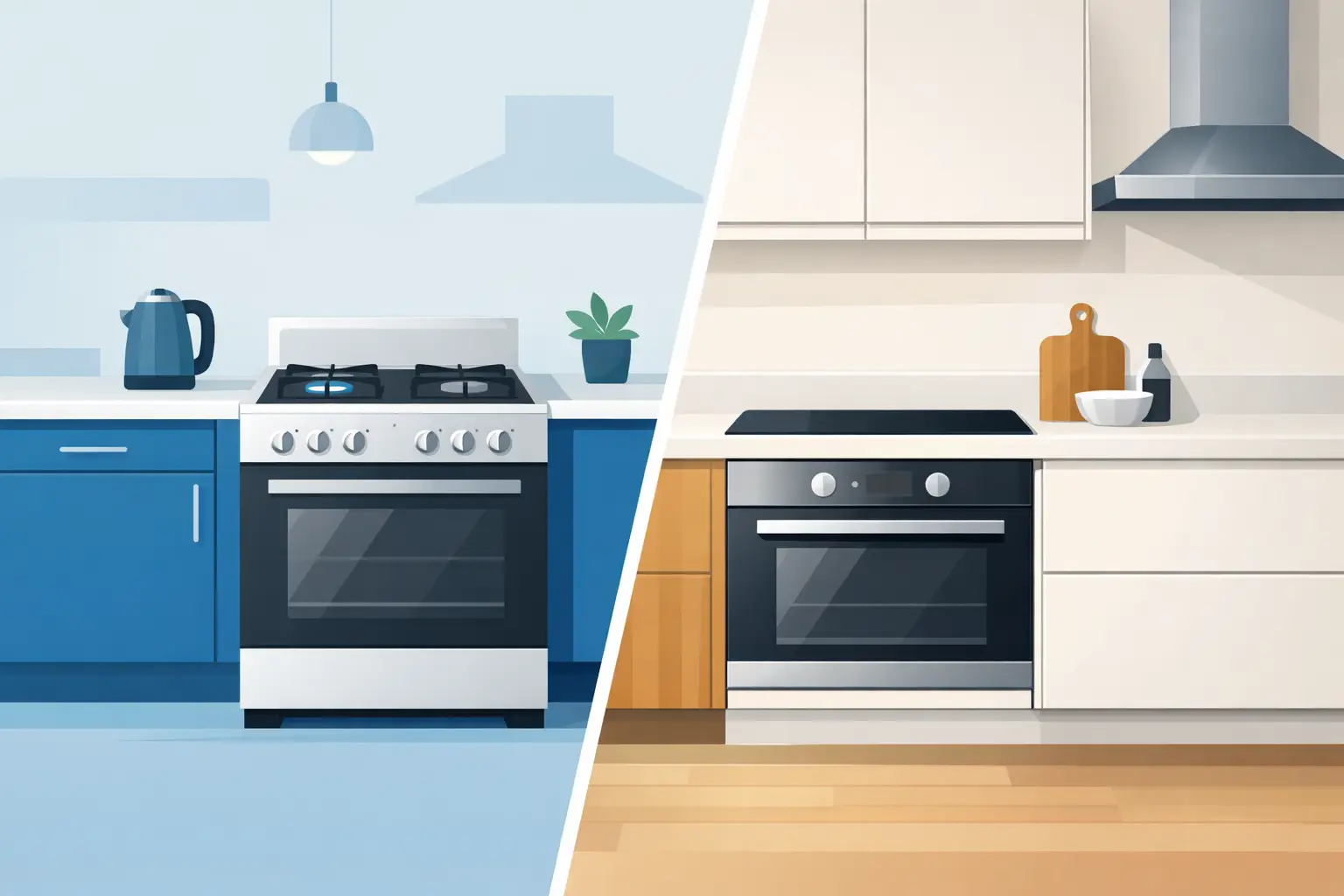
A kitchen decision often becomes real at dinnertime: one person is stirring sauce on the cooktop while another needs the oven for a tray of roasted vegetables. In the freestanding cooker vs built in oven decision, the right answer is not simply about appearance. It is about how your household cooks, how much space you have, and whether your kitchen should adapt to your routine or be designed around it.
A freestanding cooker brings the cooktop and oven together in one hardworking appliance. A built-in oven is installed within cabinetry and is usually paired with a separate gas or electric hob. Both can create delicious, consistent results, but they support very different kitchen layouts and lifestyles.
Freestanding Cooker vs. Built-In Oven: The Core Difference
A freestanding cooker is an all-in-one cooking station. It slides into a dedicated opening, stands on its own feet, and combines surface burners or cooking zones with an oven below. This makes it a practical choice for homeowners who want a complete cooking setup without planning cabinetry around separate appliances.
A built-in oven is integrated into a cabinet wall or under a counter. Because the cooktop is installed separately, you can position each appliance where it makes the most sense for your workflow. You might place the oven at chest height for easier access, for example, while installing the hob along a central counter run or kitchen island.
The choice is less about which appliance is better in every situation and more about which one makes daily cooking easier. A compact family kitchen, a renovation with fixed plumbing, and a newly designed open-plan kitchen may each need a different solution.
Choose a Freestanding Cooker for Simple, Complete Performance
A freestanding cooker is often the most straightforward path to a capable kitchen. One appliance handles boiling, frying, baking, roasting, and reheating, so it is especially appealing when you need to replace an existing range or furnish a kitchen efficiently.
For busy households, the convenience is immediate. The cooktop and oven controls are together, the appliance footprint is easy to understand, and installation can be more direct when the appropriate gas or electrical connection is already available. It can also be a sensible choice for rental properties, first homes, or renovation projects where keeping the existing kitchen layout helps control costs.
Freestanding cookers are not merely practical. A well-designed model can create a confident visual anchor in a modern kitchen, particularly when paired with a matching range hood and clean-lined cabinetry. For people who cook frequently, having the entire cooking zone in one place can feel intuitive: sauté on top, transfer to the oven below, then serve from the same efficient station.
There are trade-offs. The oven is generally located below the cooktop, which means bending to check a roast or lift out a heavy casserole. The appliance also needs to fit the available opening closely, and its look may be less custom-integrated than a built-in design. Still, for an everyday kitchen that values speed, reliability, and an uncomplicated setup, a freestanding cooker remains a strong choice.
Choose a Built-In Oven for Flexibility and a Refined Layout
A built-in oven gives you more freedom to shape the kitchen around the way you cook. Since the oven and hob are separate, you are not required to stand at one location for every task. This can make a noticeable difference in larger kitchens, entertaining spaces, and homes where multiple people cook together.
The most popular advantage is ergonomics. A wall-mounted built-in oven can sit at a more comfortable height, reducing the need to bend when checking dishes, basting meat, or removing hot bakeware. For families who use the oven often, this can make cooking feel safer and more relaxed. It is also helpful when preparing larger meals that require repeated access to the oven.
Built-in ovens support a tailored, contemporary appearance as well. Cabinet panels can frame the appliance neatly, while a separate hob can be positioned to preserve generous countertop space. This creates a kitchen that feels intentional rather than appliance-led, an attractive benefit for homeowners who see cooking as part of daily living and sharing.
The flexibility comes with more planning. Cabinet dimensions, ventilation requirements, electrical capacity, and professional installation all need attention before purchase. You will also need a separate hob, which can increase the total project cost. For a full renovation or new build, those considerations are often worthwhile. For a quick appliance replacement, they may be unnecessary complexity.
Think About How You Actually Cook
Cooking habits should lead the decision. If most meals involve one pan on the cooktop and occasional oven use, either format can work well. If your household regularly prepares weekend baking, family dinners, holiday meals, or several dishes at once, the placement and capacity of the oven become more significant.
A freestanding cooker suits cooks who prefer an organized, compact command center. It is also a practical option when kitchen space is limited and every appliance must earn its footprint. Look for durable controls, stable cooking zones, reliable oven heat, and safety features that support confident everyday use.
A built-in oven is especially valuable when oven cooking is a major part of your routine. Baking enthusiasts may appreciate a comfortable installation height and the option to add a second oven in a larger kitchen. Serious home cooks can keep the hob active while another person accesses the oven without crowding the same work zone.
Restaurant operators and foodservice teams should make the same assessment on a larger scale. A compact all-in-one unit may support a smaller prep area efficiently, while separate commercial-grade cooking equipment can improve workflow where volume, speed, and task separation matter most. The best layout minimizes unnecessary movement without sacrificing safe access to hot surfaces.
Measure More Than the Appliance Opening
Before selecting either option, measure the available width, depth, and height, then confirm the clearances required by the appliance manufacturer and local installation codes. Do not assume an old appliance opening will suit a new model exactly. Door swing, handle projection, nearby drawers, and ventilation all affect how comfortable the kitchen will be to use.
For a freestanding cooker, check that the floor is level and that the appliance can be safely secured where required. For a built-in oven, cabinetry must be designed to support the unit’s weight and allow appropriate airflow. A qualified installer should verify gas connections, electrical specifications, and venting requirements before work begins.
This planning protects both performance and appearance. An appliance that fits correctly heats more reliably, operates more safely, and looks at home in the kitchen for years to come.
Consider Cleaning, Service, and Long-Term Value
Freestanding cookers are often easier to access from the sides or rear when servicing is needed, depending on the installation. Their one-piece design also means fewer separate appliances to coordinate. On the other hand, crumbs and spills can collect in the narrow gap beside the unit if the fit is not precise.
Built-in ovens offer a sleek surface line and may be easier to use at eye level, but service access can require careful removal from cabinetry. Choose a dependable appliance brand with clear support, available parts, and warranty registration options. VEES designs cooking solutions around dependable performance, modern style, and the everyday convenience that makes shared meals more enjoyable.
Value is not only the initial purchase price. Consider the expected lifespan, energy use, installation expenses, cooking capacity, and how well the appliance supports your home now and in the years ahead. A lower-cost option that frustrates your routine can be more expensive than a thoughtful investment that performs consistently.
The best kitchen is the one that invites you to cook more often, whether that means a capable freestanding cooker ready for weeknight meals or a built-in oven that gives every recipe a more comfortable place to shine.