
Cart 0

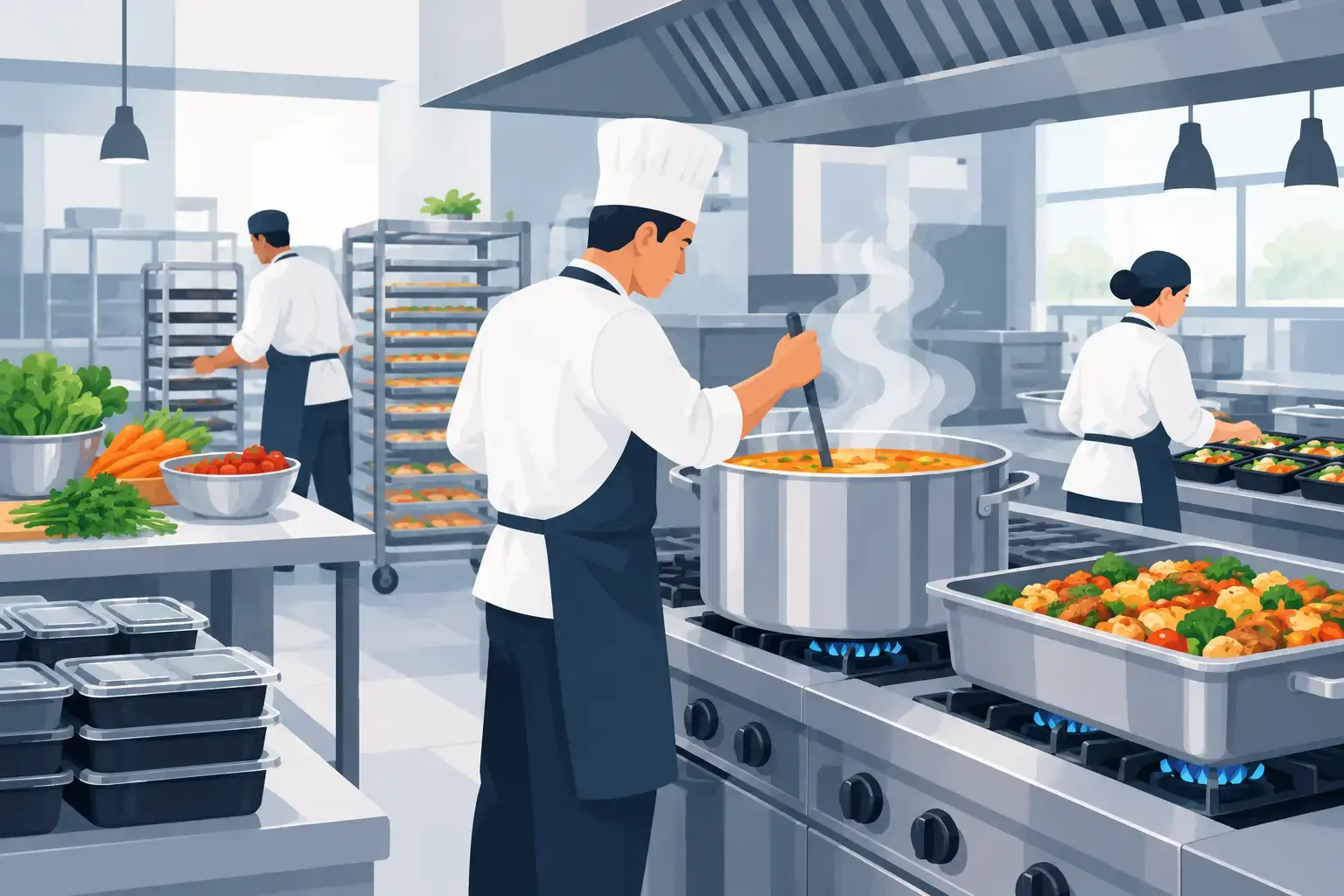
When 20 guests arrive for dinner or a restaurant ticket rail starts filling up, cooking skill alone is not enough. A dependable high volume cooking guide starts with a better question: how can your kitchen produce more food without sacrificing flavor, safety, or the people doing the work? The answer is a disciplined flow, supported by equipment that holds its performance from the first batch to the last.
High-volume cooking is not simply making a recipe bigger. A dish that works for four people may become uneven, watery, overcooked, or difficult to hold when multiplied for 40. Whether you are preparing a family celebration, running a catering service, or leading a busy commercial kitchen, success comes from planning capacity before the heat is on.
Start With Yield, Not Just Portions
The first number to establish is the finished yield. Estimate how many people will eat, what portion each person is likely to take, and whether the dish is a main course, side, or accompaniment. A buffet portion is often smaller than a plated portion, but buffets also invite repeat servings. For gatherings, a modest buffer is sensible. For commercial operations, that buffer should be based on sales history, not guesswork.
Then account for shrinkage. Raw proteins lose weight during cooking, leafy vegetables reduce dramatically, and grains expand. A 10-pound case of raw chicken does not produce 10 pounds of ready-to-serve chicken. Build recipes around cooked yield so that purchasing, prep, and pricing stay accurate.
Standardize every batch with weight-based measurements. Cups and ladles can be useful for quick service, but scales provide the consistency that volume work demands. This is especially true for seasoning. Salt, spices, sauces, and aromatics need deliberate adjustment as quantities rise. Doubling a recipe does not always mean doubling every flavoring ingredient. Taste a small test batch first, then document the final ratio for the team.
Build a Menu That Respects Your Equipment
A busy kitchen becomes inefficient when the menu asks too much from one cooking zone. If every dish needs the same burners at the same time, even an experienced crew will be forced into delays. Design the menu around a mix of cooking methods: stovetop simmering, oven roasting, griddle work, steaming, and holding.
Choose dishes that remain appealing after a short hold. Braises, curries, soups, roasted vegetables, baked pasta, and rice-based dishes generally scale well because they can be prepared in larger batches and served steadily. Delicate fried foods, thin cuts of fish, and foods that must be served immediately can still have a place, but they need a tighter service plan and enough production capacity.
For home entertaining, that may mean preparing one impressive made-to-order element while choosing sides that can be finished ahead. In a restaurant, it may mean limiting menu items that compete for the same oven or cooktop during peak periods. A well-designed menu protects both quality and workflow.
Match Heat Output to the Job
High volume does not always require the highest heat. It requires controlled heat. A powerful gas hob can bring large stockpots to a boil quickly and deliver the responsiveness chefs value for sautéing and sauce work. An electric cooker can offer stable, precise settings for long simmers, warming, and repeatable batch preparation. Ovens add capacity by cooking multiple trays while freeing the cooktop for active tasks.
The right choice depends on your menu and service style. A small café may benefit most from compact, reliable stations that make efficient use of limited space. A high-turnover restaurant may need commercial-grade surfaces built for repeated heavy cookware, rapid recovery, and long operating hours. At home, the priority may be making a holiday meal feel organized rather than crowded.
VEES kitchen solutions are designed around this practical balance of speed, durability, safety, and modern kitchen appeal, helping kitchens stay productive without losing the pleasure of cooking.
Prepare in Waves, Not All at Once
Trying to prep everything at the same time creates clutter, missed steps, and unnecessary stress. Divide production into waves. First, complete tasks that can be done well ahead: washing produce, portioning proteins, mixing dry seasonings, preparing sauces, and labeling containers. Next, cook components that reheat or hold well. Save fast-cooking items, final garnishes, and crisp textures for the last stage.
This approach creates room to work and makes it easier to spot issues before service. It also reduces the temptation to rush a large pot or overcrowd a pan. Overcrowding is one of the most common reasons high-volume food loses color and texture. Instead of searing, it steams. Instead of roasting, it softens.
Use shallow pans where possible for faster, more even cooling and reheating. Cook in smaller, repeatable batches when a single oversized batch would compromise heat circulation. Two well-managed batches are often better than one ambitious batch that cooks unevenly.
Set Up Stations That Keep People Moving
In volume cooking, every unnecessary step is multiplied. Place ingredients, tools, pans, and holding containers where they are needed. Keep raw preparation separate from ready-to-eat food. Create a clear route from storage to prep, cooking, holding, and service.
For a team, assign ownership rather than asking everyone to do everything. One person might manage batch cooking, another handles portioning and garnish, while a third monitors replenishment and cleanliness. In a home kitchen, the same principle helps: let one person plate while another watches the oven and a third refills drinks or serves guests.
A functional station should include the utensils and seasonings required for that task, along with a safe place for hot handles and used tools. Small details matter under pressure. Searching for tongs during service or carrying a hot pot across a crowded aisle slows the entire kitchen.
Use a Production Schedule With Real Timing
Recipes list cooking times, but a production schedule considers everything around them: preheating, water coming to a boil, resting meat, cooling, transferring food, cleaning surfaces, and replenishing service trays. Work backward from the serving time and write down when each stage must begin.
Include a few non-negotiable checkpoints:
- Confirm all equipment is clean, functioning, and preheated before production begins.
- Prepare a small test batch to verify seasoning, texture, and cook time.
- Track the internal temperature of proteins and hot-held foods with a calibrated thermometer.
- Refill serving pans in smaller amounts to protect appearance and food quality.
- Leave recovery time for delays, spills, and last-minute requests.
The goal is not to make the schedule rigid. It is to give the kitchen enough structure to adapt calmly when demand changes. If an oven is running behind, you should already know which side dish can hold longer and which item needs priority.
Protect Food Safety During High-Volume Service
More food means more opportunities for temperature control mistakes. Keep cold ingredients cold until they are ready to cook, and keep cooked food hot enough for safe service. Avoid leaving large pots at room temperature while other tasks compete for attention.
Cooling deserves as much planning as cooking. Large, deep containers trap heat in the center, which slows cooling and can create a food safety concern. Divide food into shallow containers, use appropriate cooling methods, and label products clearly with the preparation date and time. For commercial kitchens, follow local food safety codes and your established operating procedures.
Clean-as-you-go habits also protect speed. Wiping a workspace, changing boards between tasks, and removing empty packaging prevent a manageable rush from becoming a chaotic one. Durable, easy-to-clean equipment supports this rhythm, particularly in kitchens where service repeats day after day.
Keep Quality High Through the Final Serving
Food that is technically cooked is not necessarily ready to serve. Before each new batch reaches guests, check the details people notice: seasoning, sauce consistency, color, temperature, and portion size. Stir sauces and soups regularly so solids and seasoning remain evenly distributed. Rest roasted meats before slicing. Keep crisp garnishes separate until the last moment.
For buffet or catered service, presentation affects perceived quality. Use appropriately sized serving vessels and replenish them rather than displaying every portion at once. Fresh pans look better, stay at a more reliable temperature, and give the team a natural moment to check quality.
High-volume cooking should still feel generous. Guests remember food that arrives hot, tastes consistent, and looks cared for, whether it is served at a family table or across a full dining room.
The best high-volume kitchens are not defined by noise or constant rushing. They are defined by calm preparation, dependable heat, and a team or household that has room to enjoy the moments of sharing they worked hard to create.