
Cart 0

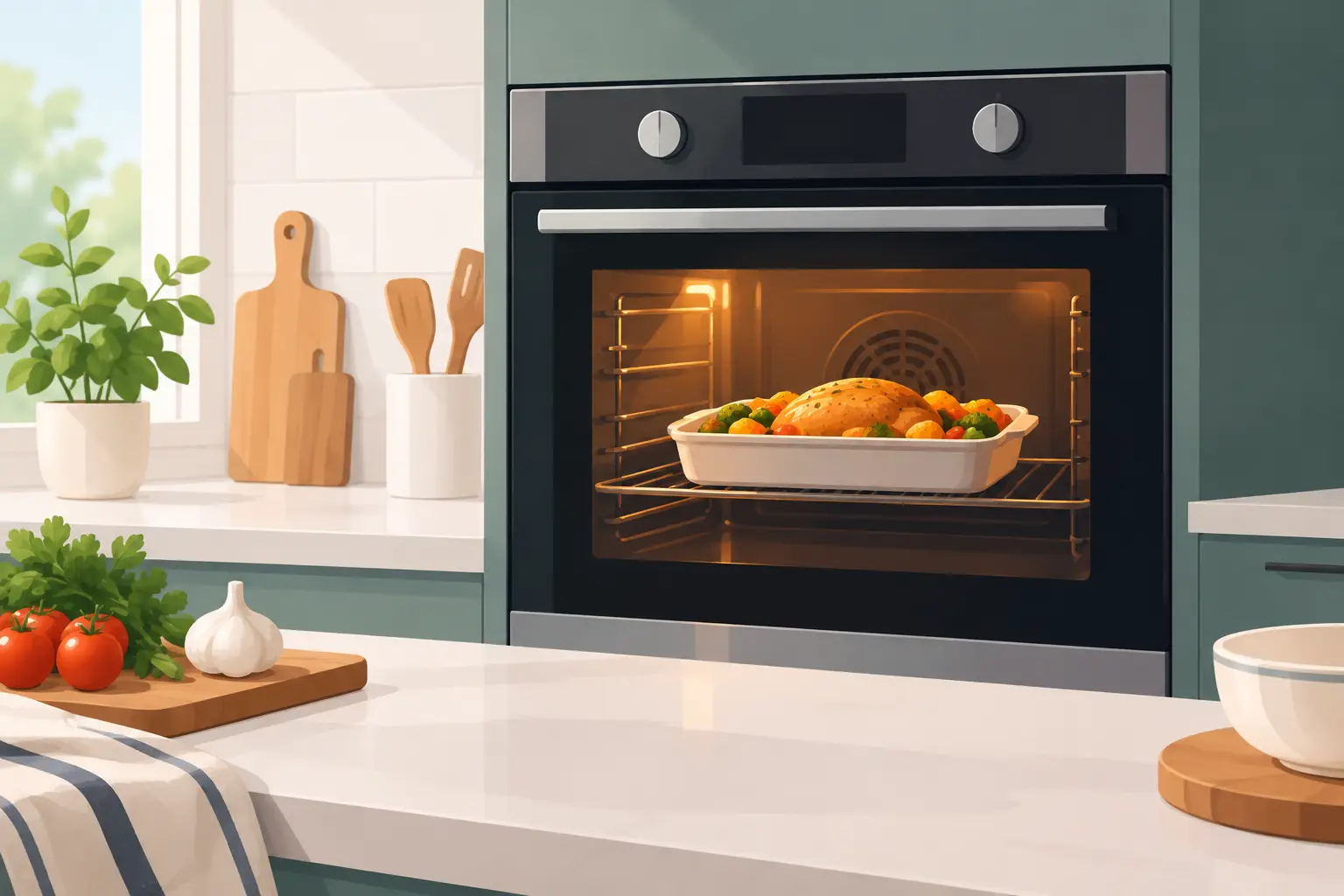
A dependable oven earns its place long after the first roast, birthday cake, or busy dinner service. This oven reliability review looks beyond a polished exterior to the details that shape daily confidence: even heat, responsive controls, solid construction, practical safety features, and support that remains available when it matters.
For a family kitchen, reliability means dinner can move from idea to table without watching the oven second-guess itself. For a restaurant or food business, it means a packed schedule does not stop because temperature recovery is slow or a door seal has weakened. The right oven should make cooking feel more controlled, more enjoyable, and easier to share.
What Oven Reliability Really Means
Reliability is not simply whether an oven turns on. It is whether it performs consistently after repeated preheating, long roasting sessions, frequent cleaning, and the occasional spill that comes with real cooking. A reliable oven reaches the selected temperature with reasonable speed, holds that heat steadily, and responds predictably when settings change.
Temperature consistency is usually the first quality cooks notice. When heat drifts too far above or below the selected setting, cookies brown unevenly, bread loses its rise, and proteins may cook inconsistently. An oven with dependable heating elements, thoughtful airflow, and accurate controls helps reduce those variables. It gives home cooks a better chance of repeating a favorite recipe and gives professionals greater control over every batch.
The physical parts matter just as much. A door that closes firmly helps retain heat and improves energy efficiency. Well-built racks should slide securely under the weight of a Dutch oven or several trays. Knobs, touch controls, hinges, and handles should continue to feel purposeful instead of loose or fragile after regular use.
The Parts That Should Hold Up Over Time
An oven is a system, not one component. Looking at how its parts work together offers a more useful view than focusing on a single headline feature.
Heating performance and recovery
Steady heat is the foundation of dependable cooking. In an electric oven, durable heating elements and calibration determine how closely the cavity follows the chosen temperature. In a gas oven, ignition, flame stability, and heat distribution deserve equal attention. Neither power source automatically guarantees better reliability. The best choice depends on cooking preferences, kitchen setup, and the appliance’s overall build quality.
Recovery time is especially valuable for households that cook several dishes at once and commercial kitchens that open the door frequently. Every door opening releases heat. A reliable oven returns to the set temperature without a long delay, helping a tray of vegetables, a casserole, or a line of baked goods stay on schedule.
Convection can be a practical advantage when it is designed well. Circulating air can promote more even browning and shorten cooking times, but only when the fan, heating system, and controls work in balance. Good convection should support consistent results, not force cooks to constantly rotate pans or make dramatic recipe adjustments.
Door, seal, and hinge quality
The oven door does more work than it gets credit for. It must contain heat, open smoothly, remain stable at different angles, and withstand years of use. A quality seal around the door helps preserve cavity temperature while keeping the exterior safer to touch. Over time, a weak gasket can contribute to heat loss, longer cooking cycles, and uneven results.
Look closely at the handle and hinge action when comparing ovens. The door should feel secure rather than overly light or unstable. For busy homes, soft and controlled movement is useful when one hand is carrying a dish. In professional settings, a solid door assembly supports faster, safer workflow through repeated opening and closing.
Controls that stay clear and responsive
Sophisticated settings are only helpful if they remain easy to use. Reliable controls should be readable in varied lighting, responsive without delay, and intuitive enough that the oven does not become a daily source of friction. Clear temperature adjustment, visible timers, and understandable cooking modes are practical signs of thoughtful design.
Touch panels offer a clean, modern look and can simplify cleaning, while tactile knobs give many cooks immediate control and feedback. There is no universal winner. The better choice is the one that fits the user, provided the materials and control system are built for frequent use.
Interior surfaces and rack strength
A practical oven interior makes ownership easier. Smooth, durable surfaces can reduce the effort required after splatters and roasting juices inevitably appear. Easy-clean features can be helpful, but they are not a substitute for solid materials and sensible maintenance.
Racks should feel stable when pulled forward and sit firmly on their supports. This becomes particularly important with heavy cookware, large family meals, and high-volume baking. A well-designed interior also offers enough usable space and rack positions to accommodate different dishes without turning meal preparation into a balancing act.
Oven Reliability Review: Home and Commercial Needs
A household oven and a commercial oven may share the same basics, but their demands are different. Homeowners often benefit most from versatile cooking modes, straightforward cleaning, family-friendly safety features, and an appearance that complements a modern kitchen. Reliability is measured in calm weeknight meals, holiday gatherings, and recipes that turn out as expected.
Commercial operators need those qualities at a higher level of intensity. They should consider duty cycle, temperature recovery, cavity capacity, service access, and components suited to continuous use. A feature that feels convenient at home may be essential in a restaurant, bakery, café, or catering operation where every minute affects service.
This is why buying the largest or most feature-filled oven is not always the best decision. An oversized unit can consume unnecessary energy in a small household. A lightly built domestic model can struggle under commercial pressure. Matching the oven to the actual pace of the kitchen is one of the clearest routes to a satisfying long-term purchase.
Safety Is Part of Dependability
An oven should support confident cooking, especially in households with children, multi-cook kitchens, and fast-moving foodservice environments. Cool-touch door construction, stable racks, dependable door seals, clear indicators, and automatic shutoff features can all contribute to safer operation.
For gas-powered equipment, reliable ignition and proper ventilation are essential. For electric ovens, correct installation and appropriate electrical capacity protect both performance and the appliance itself. Safety features should never feel like an afterthought. They are part of the engineering that lets cooks focus on the food, the people around the table, and the next task in the kitchen.
How to Judge Reliability Before You Buy
Marketing claims are useful starting points, but a good evaluation requires a closer look. First, consider how often the oven will be used and what it will cook most often. Baking several trays each week requires different strengths than occasional roasting. A business serving lunch and dinner needs a different level of endurance than a household preparing meals for four.
Then assess the appliance in person when possible. Open and close the door. Pull out the racks. Check whether the controls are easy to understand. Consider whether the interior layout suits the cookware and trays already used in the kitchen. Details that seem small in a showroom become very noticeable after months of daily cooking.
After-sales support also belongs in any serious buying decision. An oven is a long-term kitchen appliance, and dependable warranty coverage, accessible service, and clear product care guidance can make ownership far less stressful. VEES approaches kitchen performance with this broader view in mind: cooking equipment should pair modern design with durable function, so meals and service can continue with confidence.
Simple Habits That Protect Oven Performance
Even a well-built oven benefits from regular care. Wiping spills before they bake onto interior surfaces can prevent stubborn buildup and smoke. Avoid lining the oven floor in a way that blocks airflow or interferes with heating components. Check the door gasket periodically for cracks, flattening, or areas that no longer sit evenly against the frame.
Use cookware that fits comfortably on the racks, and avoid slamming the door or forcing trays into place. For commercial teams, routine cleaning responsibilities and quick checks of hinges, seals, and controls help catch minor concerns before they interrupt service. If cooking results suddenly become uneven, use an oven thermometer to confirm temperature behavior and arrange professional service when needed.
A reliable oven is not defined by the number of settings on its panel. It is defined by the quiet assurance that it will be ready when family arrives, when orders begin coming in, or when a simple meal deserves to be made well. Choose for steady performance, build quality, and support, then let the oven do what great kitchen equipment should do: make more room for cooking and moments of sharing.