
Cart 0

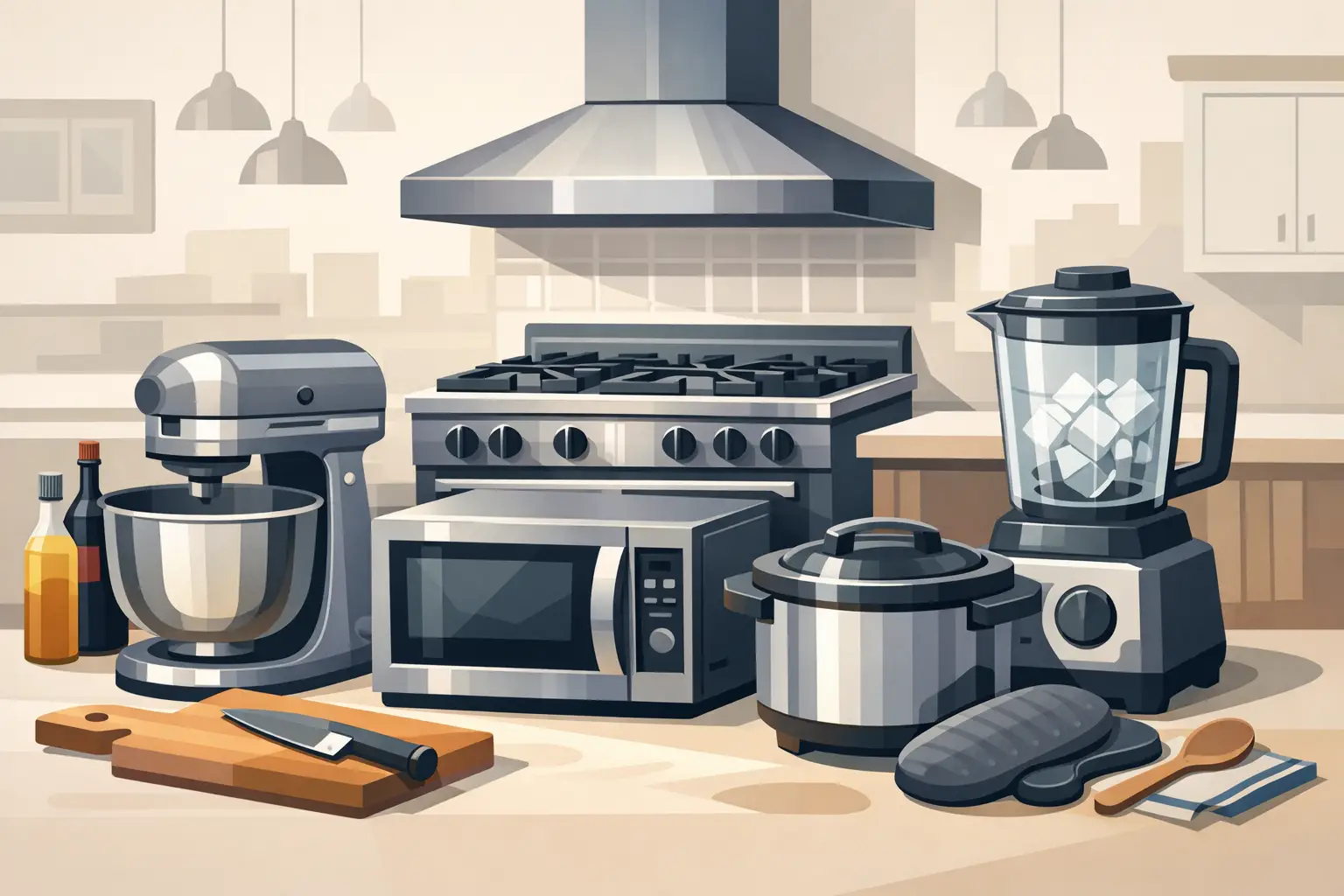
A kitchen that cooks breakfast before work, dinner for a full family, and extra dishes for weekend guests asks more from its equipment than a showroom-ready space ever will. Durable kitchen appliances for heavy use are not simply about choosing the biggest model or the highest price tag. They are about selecting equipment that keeps heat consistent, stands up to repeated cleaning, and supports the way you actually cook.
For a busy household, that may mean a cooktop that handles several pans at once without slowing the meal down. For a restaurant or café, it means equipment that can keep pace through every service while helping the team work safely and efficiently. The right choice creates more room for good food, easier routines, and the moments of sharing that bring people together.
What Heavy Use Really Looks Like
Heavy use is not defined by one number of meals. It is a pattern of repeated demand. A large family may run its cooktop and hood several times each day, while a home baker may rely on an oven for consecutive batches over a weekend. In a commercial kitchen, equipment may operate for long hours with quick turnarounds between orders.
That distinction matters because household and commercial needs are not always interchangeable. A high-performing home appliance can be an excellent fit for frequent family cooking and entertaining, but a foodservice operation may require commercial-grade capacity, ventilation, and controls designed for sustained daily production. Buying more power than you need can waste energy and space. Buying too little can lead to inconsistent results, premature wear, and frustrating interruptions during the busiest moments.
Start by looking at your real cooking rhythm: how often you use the appliance, how many portions you prepare, the cookware you prefer, and how much downtime you have for cleaning. Those answers will point you toward the right category before you compare finishes or extra functions.
Durable Kitchen Appliances for Heavy Use: What to Look For
Durability is built through a combination of materials, construction, heat management, and serviceability. A polished exterior may look refined, but the parts behind the surface determine how well an appliance performs after hundreds of meals.
Materials that handle daily wear
Look for cooking surfaces and body panels made from materials that tolerate heat, moisture, grease, and regular wiping. Stainless steel remains a practical choice in hardworking kitchens because it is easy to clean, suits a modern space, and can handle frequent use when properly maintained. For hobs, durable grates, stable pan supports, and quality control knobs matter just as much as the surface itself.
Tempered glass can bring a sleek, contemporary finish to an electric or gas hob, especially in a design-led home kitchen. Its trade-off is that it benefits from careful cleaning and avoiding hard impacts from heavy cookware. The material can be durable, but it should match the habits of the people using it.
Inside an oven, pay attention to rack strength, door construction, interior coatings, and hinges. A door that closes securely and racks that remain stable when holding a heavy roasting pan make everyday cooking feel more controlled.
Heat performance that stays consistent
Heavy cooking exposes weak heat control quickly. A burner that struggles to hold a low simmer can turn sauces into scorched pans. An oven with uneven temperature can leave one tray underbaked while another browns too quickly. Consistent heat is not a luxury feature. It protects food quality, saves ingredients, and helps cooks repeat a dish with confidence.
Choose a hob with responsive controls and burner configurations that suit your cookware. A powerful burner is useful for fast boiling and stir-frying, while smaller burners give better control for gentle heating. In an oven, consider how the heating system supports the dishes you make most often, whether that is weeknight casseroles, roasted meats, pastries, or multiple trays of food.
Fast cooking should still feel precise. The goal is not maximum heat at all times. It is having the right heat, exactly when you need it.
Ventilation that protects the whole kitchen
A range hood is often treated as a finishing piece, yet it does vital work in a high-use kitchen. Effective ventilation helps remove smoke, steam, grease, and cooking odors before they settle on cabinets, walls, and nearby appliances. Over time, that can help preserve both the kitchen’s appearance and the comfort of everyone in it.
Match the hood to the cooking intensity and layout of your kitchen. Stronger extraction is especially valuable where frying, wok cooking, grilling, or multiple burners are common. At the same time, consider noise levels, filter access, and the practical route for ducting or recirculation. A hood that is difficult to clean may not deliver its best performance for long.
Safety features that support busy cooks
The busiest kitchens need safety systems that work quietly in the background. Flame-failure protection on gas equipment can help stop gas flow if a flame goes out. Stable supports reduce the risk of shifting pans, while well-designed handles, cool-touch areas, and clear controls make a difference when several tasks happen at once.
For households with children, easy-to-read controls and thoughtful placement are especially valuable. In commercial settings, safety also depends on equipment that allows staff to move confidently without awkward reaches, unstable cookware, or unclear operating steps. Durability and safety belong in the same conversation because equipment that remains dependable is easier to use responsibly.
Choose Capacity for Your Kitchen, Not Just Your Countertop
A compact appliance can be ideal for a smaller home, but frequent cooking requires enough usable capacity. On a hob, think beyond the total number of burners. Check whether large pots can sit side by side without crowding and whether the burner layout suits the meals you prepare.
For ovens, internal space is only part of the decision. Consider rack positions, tray dimensions, and whether the door opening gives you room to handle heavy dishes safely. Restaurant operators should also assess peak service volume, menu demands, available ventilation, and workflow between prep, cooking, and plating areas.
There is a useful balance to find. Larger equipment can support bigger meals, but it should not overwhelm the room or force inefficient movement. The best kitchen layout keeps essential tools close enough to support a natural cooking flow.
Make Maintenance Part of the Purchase Decision
Even well-built equipment needs care. Grease, food residue, and blocked filters can reduce performance over time, so choose appliances that make routine maintenance realistic. Removable burner caps, accessible drip areas, easy-clean surfaces, and filters that can be reached without a complicated process all help protect your investment.
Create a simple routine based on use. Wipe hobs after they cool, clear spills before they bake onto surfaces, and clean range hood filters at intervals that match your cooking volume. Check oven seals, racks, and door movement periodically. In commercial kitchens, maintenance should be assigned clearly so it does not become an afterthought during a busy shift.
It also pays to consider warranty registration, parts availability, and after-sales support before purchasing. An appliance is more valuable when help is available should it need attention. VEES brings this practical approach to kitchen solutions, pairing modern design with performance features intended for the demands of everyday homes and working kitchens.
Invest Where It Changes the Cooking Experience
When budgets require priorities, invest first in the appliances that carry the most daily workload. For many kitchens, that means the hob, range hood, and oven. These pieces influence how quickly you cook, how comfortable the room feels, and how consistently meals turn out.
Avoid being led only by a long feature list. A dependable appliance with intuitive controls, sound construction, and the right capacity will often serve you better than one packed with functions you rarely use. Design still matters, especially in an open kitchen where appliances are part of the room’s visual character. The strongest choice brings performance and elegance together rather than asking you to sacrifice one for the other.
A well-chosen kitchen should feel ready before the first pan hits the heat. Choose equipment that fits your pace, care for it consistently, and let it carry the work behind more confident cooking and more time around the table.