
Cart 0

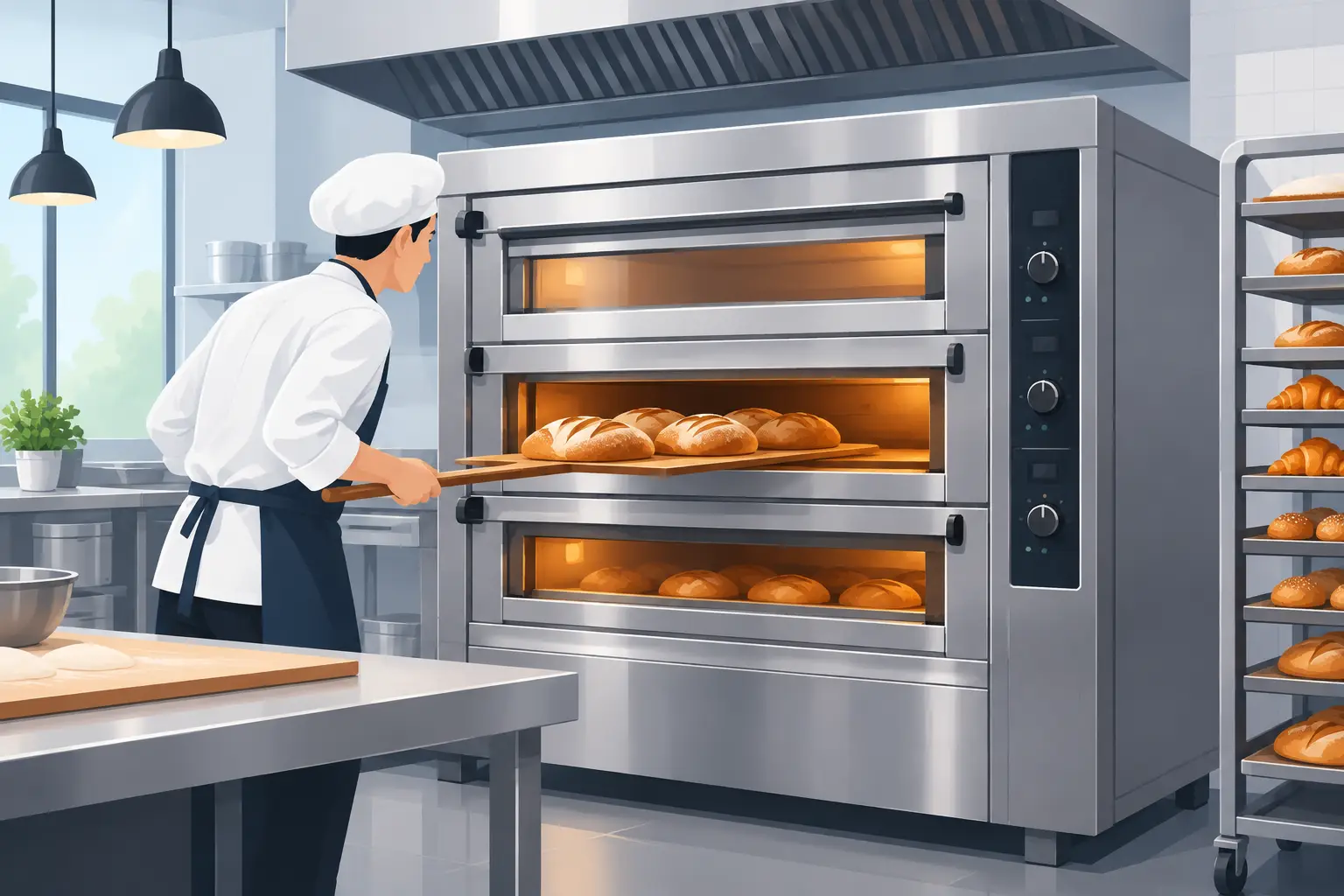
The morning bake cannot wait for an oven to recover from a weak heating element, a warped door seal, or an overloaded chamber. Bakery oven durability is not simply about how long an appliance remains switched on. It is the ability to deliver dependable heat, repeatable results, and confident service through the real rhythm of baking: early starts, back-to-back batches, high temperatures, steam, spills, and constant door openings.
For a home baker preparing weekend breads or a commercial team producing hundreds of pastries, a durable oven protects more than the equipment budget. It protects consistency, workflow, and the moments people gather around food.
What Bakery Oven Durability Really Means
A durable bakery oven combines material quality, thermal performance, thoughtful engineering, and proper use. A stainless steel exterior may look refined in a modern kitchen, but durability goes deeper than the finish. The oven must manage repeated expansion and contraction as it heats and cools, support the weight of loaded trays, and maintain stable temperatures when production is moving quickly.
The most visible sign of quality is often the construction of the cavity and door. A well-built cavity resists corrosion from moisture and food residue, while sturdy hinges keep the door aligned after thousands of openings. Proper insulation matters just as much. It helps retain heat inside the chamber, reduces wasted energy, and prevents surrounding surfaces from becoming unnecessarily hot.
Temperature control is another part of the durability conversation. An oven that drifts several degrees over time can create uneven loaves, over-browned cookies, or cakes that rise unpredictably. Reliable heating components and accurate controls help preserve baking results as the oven ages, not just during its first few months of use.
Match Oven Capacity to Your Real Production
Many durability issues begin before the oven is installed. Choosing an oven that is too small for the workload forces it to operate at its limit for long periods. Repeatedly packing every rack, opening the door between batches, and demanding fast recovery from a lightly built unit can accelerate wear.
For households, capacity should reflect how often you bake for family meals, celebrations, and entertaining. A larger cavity can be useful for roasting, multi-tray baking, and holiday preparation, but it should still fit your kitchen layout and everyday habits. Buying more oven than you will use does not automatically create better value.
For bakeries, cafés, restaurants, and catering operations, calculate the workload around peak production rather than average demand. Consider the number of trays per hour, product size, desired bake time, door openings, and whether different items must be ready at the same time. A commercial oven with the right throughput will work more efficiently than a smaller unit pushed beyond its intended duty cycle.
There is a practical trade-off here. Higher-capacity equipment may require more space, electrical planning, ventilation, and upfront investment. Yet an oven selected for the actual pace of service can reduce bottlenecks and avoid the cost of frequent repairs or premature replacement.
The Build Details That Protect an Oven
When comparing bakery ovens, look past a polished control panel and ask how the oven is designed to handle daily stress. Certain details have an outsized effect on long-term performance:
- A reinforced door, dependable hinges, and a heat-resistant gasket help the chamber close securely and retain stable heat.
- Quality insulation reduces heat loss and eases the burden on heating components during long baking sessions.
- Durable rack supports and tray guides prevent bending or loosening when heavy pans are loaded repeatedly.
- Accessible components make routine cleaning and professional servicing less disruptive when maintenance is needed.
The controls deserve attention, too. Simple, responsive interfaces can be a benefit in fast-moving kitchens because they reduce operator error. For more complex production, programmable settings may help teams repeat recipes with greater consistency. The right choice depends on the menu and the people using the oven. Advanced features are valuable when they genuinely support the workflow, not when they add unnecessary complexity.
Ventilation and installation also influence service life. An oven needs adequate clearance and airflow so heat can dissipate as intended. Crowding it between cabinets, blocking vents, or placing it in a poorly planned commercial line can cause components to run hotter than they should. A qualified installation protects both performance and kitchen safety from day one.
Care Habits That Extend Bakery Oven Durability
Even a well-engineered oven benefits from a disciplined care routine. The goal is not excessive maintenance. It is preventing small issues from becoming interruptions during a busy baking day.
Clean spills after the oven has cooled to a safe temperature, especially sugary fillings, fats, and acidic ingredients. Left behind, these residues can smoke, harden onto surfaces, and eventually affect airflow or damage finishes. Use cleaning products that suit the oven materials and follow the appliance instructions. Abrasive tools or harsh chemicals may seem efficient in the moment but can scratch surfaces, weaken coatings, or shorten gasket life.
Door seals should be checked regularly for cracks, flattening, or areas that no longer sit firmly against the frame. A damaged seal lets heat escape, which can extend cooking times and make heating components work harder. It is also wise to watch for new rattles, uneven browning, longer preheat times, or a door that no longer closes smoothly. These are useful early signals, not inconveniences to ignore.
In a commercial setting, assign clear responsibility for daily wipe-downs, weekly checks, and scheduled professional service. In a home kitchen, a simple habit of cleaning after heavy baking sessions and inspecting the door periodically is often enough to prevent avoidable wear. Consistency matters more than a complicated checklist.
Protect Baking Results, Not Just the Appliance
A durable oven earns its place by helping people bake with confidence. Stable heat supports a crisp crust without a scorched base. Reliable recovery helps a pastry team move from one tray to the next without guessing whether the chamber is ready. A properly sealed door makes it easier to maintain the environment your recipe needs.
That reliability has a lifestyle benefit as well. At home, it means less time monitoring dinner and more time at the table with family and friends. In a business, it means staff can focus on preparation, presentation, and customer service rather than working around unreliable equipment.
Modern kitchen design should not ask you to choose between performance and appearance. A thoughtfully selected oven can complement a refined kitchen while standing up to the practical demands behind every fresh batch. VEES approaches kitchen equipment with that balance in mind: dependable performance, safety-focused design, and the convenience that makes cooking feel more rewarding.
When Repair Is Sensible and When Replacement Is Better
Not every performance issue means an oven has reached the end of its useful life. Replacing a door gasket, recalibrating temperature controls, or servicing a heating element can be a sensible investment when the main structure is sound and the repair is straightforward.
Replacement becomes the stronger choice when repairs are recurring, parts are no longer practical to source, or the oven cannot meet current production needs. For commercial operators, downtime has its own cost. A less expensive repair can become costly if it repeatedly delays service or compromises product quality. For homeowners, replacement may make sense when an aging oven no longer provides the capacity, safety features, or efficiency the kitchen now requires.
The best decision comes from looking at the full picture: the oven’s condition, the cost of repair, the demands of your menu, and the value of consistent results. Choose an oven built for the way you bake, care for it with intention, and let dependable performance make room for more of the sharing that happens after the timer sounds.