
Cart 0

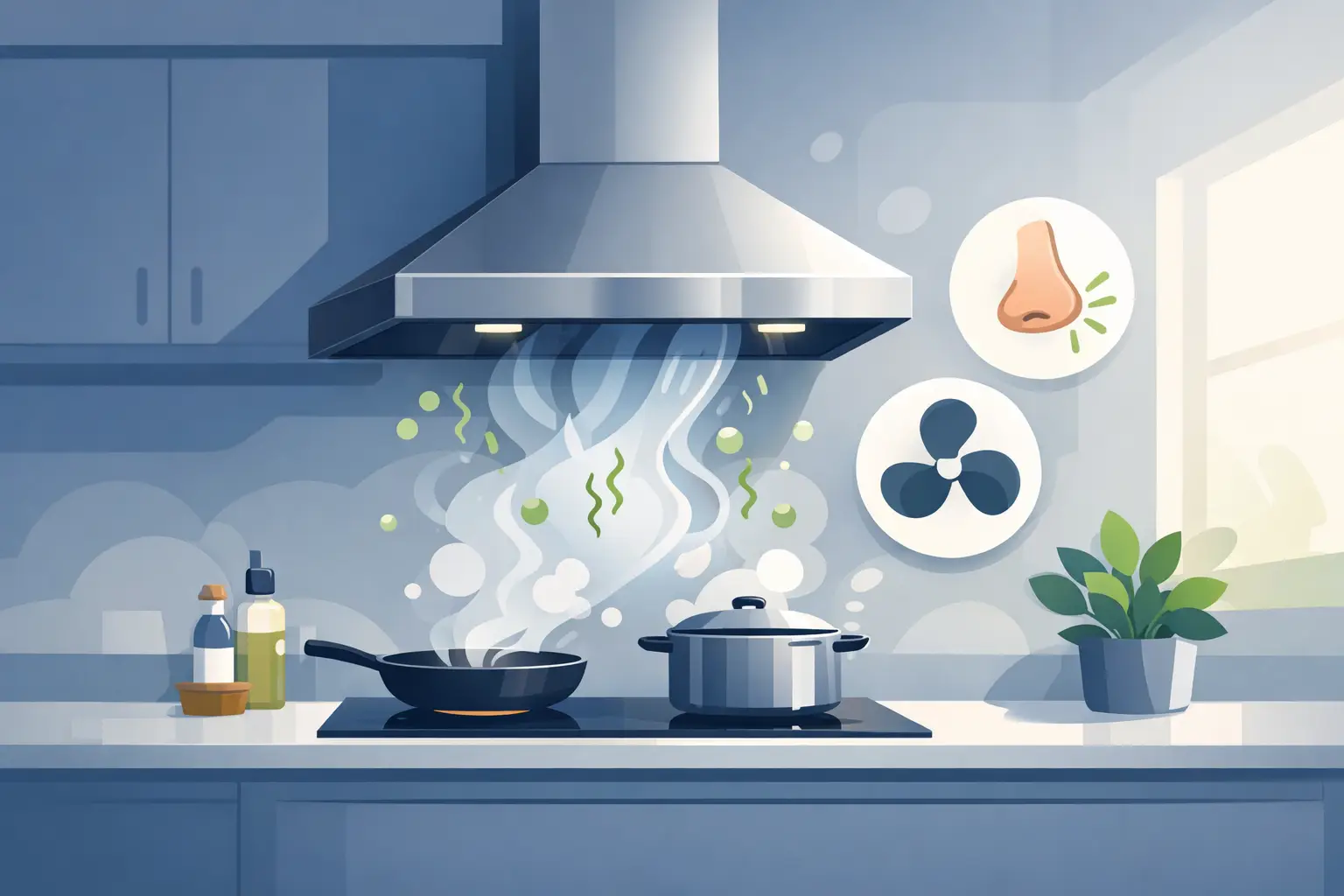
A pan of garlic sizzling in oil can make dinner feel memorable. The same scent lingering in curtains, bedrooms, and tomorrow morning’s coffee can be less welcome. So, can range hoods reduce odors? Yes – when the hood is correctly sized, installed, and used from the start of cooking. It will not erase every trace of a fragrant meal, but effective ventilation can make a noticeable difference in how fresh a kitchen and the rooms around it feel.
For households that cook often, and for busy foodservice kitchens where every burner matters, odor control is about more than comfort. It helps protect the clean, refined atmosphere that makes cooking and sharing meals more enjoyable.
How Range Hoods Reduce Odors in the Kitchen
Cooking odors are carried by warm air, steam, grease particles, and smoke. A range hood works by pulling that rising air toward the cooking surface, then moving it away before it spreads through the room. The sooner the hood captures the cooking plume, the less odor has a chance to settle into fabrics, cabinets, and nearby living areas.
A ducted range hood is generally the stronger option for odor removal. It sends air outdoors through ductwork, taking heat, humidity, grease, and odor-producing particles with it. This is especially valuable for high-heat cooking, stir-frying, searing, grilling, and recipes built around spices, onions, seafood, or fermented ingredients.
A ductless or recirculating hood works differently. It pulls air through grease filters and, usually, activated carbon filters before releasing the air back into the kitchen. These hoods can reduce some airborne grease and odor, but they do not remove heat or moisture from the space. They are a practical solution where exterior ducting is not possible, though expectations should be realistic during heavy or frequent cooking.
The Features That Make Odor Control More Effective
A range hood’s performance is not defined by one number on a specification sheet. Airflow matters, but so do the hood’s size, shape, installation height, and ability to capture air before it escapes around the edges.
Capture Area Matters as Much as Airflow
The hood should cover the full width of the cooking surface at minimum. For stronger odor and smoke control, a hood that extends slightly beyond the cooktop can offer better coverage. This matters most on front burners, where steam and smoke can drift forward before rising.
A deeper canopy also helps. It creates a larger zone to contain the cooking plume, giving the blower a better chance to draw air in rather than simply moving air around the room. A powerful motor paired with a hood that is too narrow or shallow may still struggle with a wide skillet or an active wok.
Use the Right Airflow for the Way You Cook
Airflow is often described in CFM, or cubic feet per minute. Higher CFM can help with more intense cooking, but maximum power is not always necessary. A household preparing soup, eggs, or a simple sauce may only need a lower setting, while searing steaks or frying food calls for more extraction.
For restaurant operators and serious home cooks, it is wise to match the ventilation system to the cooking equipment and menu. High-output gas burners, griddles, and wok stations generate more heat, smoke, and grease than light-duty cooking. A system that is undersized for the workload may leave the kitchen feeling warm, greasy, and persistently scented, even if the hood appears to be running.
More airflow also involves trade-offs. Higher speeds can create more sound and may pull conditioned air out of the home. The best setup combines sufficient power with practical speed settings, so daily cooking remains comfortable instead of noisy.
Ducting Can Decide the Result
Even a well-designed hood loses performance when the duct path is restrictive. Long runs, unnecessary bends, undersized ductwork, and poor exterior termination can slow airflow and reduce odor removal. Smooth, appropriately sized ducting with the shortest practical route outdoors supports better results.
Installation height matters too. Mount the hood too high, and cooking fumes can spread before they are captured. Mount it too low, and it may interfere with cooking or fail to meet safety requirements. Follow the hood and cooktop manufacturer’s installation guidance, particularly for gas appliances and commercial equipment.
Use Your Range Hood Before Odors Build Up
One common mistake is turning on the hood only after smoke or a strong smell has filled the kitchen. By then, much of the air has already escaped the capture zone.
Turn on the hood a few minutes before heating the pan. This creates airflow as cooking begins and helps guide steam and odors toward the hood. Keep it running throughout cooking, then leave it on for several minutes after the burners are off. The right run-on time depends on what was cooked and how much ventilation the room has, but it gives the system time to clear lingering air near the ceiling and cabinets.
When possible, cook on the back burners. They sit closer to the hood’s strongest capture area and are usually easier to ventilate than front burners. Use lids when simmering or frying, and avoid letting pans overheat until oils smoke. These small habits reduce the volume of odor and grease a hood has to handle in the first place.
Opening a window can help in some homes, but it is not a replacement for proper extraction. A window may disperse smells, yet it can also create cross-drafts that push smoke away from the hood. If outdoor air is coming in strongly from behind or beside the cooktop, try adjusting the window opening to keep the cooking plume rising naturally into the hood.
Filters Need Regular Attention
Filters are central to odor control. Metal baffle or mesh filters trap grease, protecting the blower and ductwork while helping air move freely. As grease accumulates, airflow drops. The hood may sound like it is working, but it is no longer moving air as efficiently as it should.
For regular household cooking, inspect filters monthly and clean them as needed according to the manufacturer’s instructions. Frequent frying, wok cooking, or commercial use may require more frequent cleaning. Do not wait until filters look visibly clogged – grease buildup can affect performance long before that point.
Recirculating hoods require extra care because their carbon filters are responsible for odor reduction. Carbon filters cannot usually be washed and reused like metal grease filters. They need replacement on the recommended schedule, often sooner in kitchens that prepare aromatic or high-grease foods often. A saturated carbon filter cannot effectively absorb new odors.
When a Range Hood Cannot Solve the Entire Problem
A good hood can greatly reduce cooking odors, but no ventilation system can fully compensate for a poor kitchen layout, insufficient installation, or a recipe producing heavy smoke. Fish, deep-frying, charring, and spice-rich dishes can leave some residual scent, especially in open-plan homes where the kitchen connects directly to upholstered furniture and bedrooms.
Persistent odors may also point to an issue worth checking. The hood could be recirculating when you assumed it was ducted, the exterior damper may be blocked, the blower may be underperforming, or the ductwork may be leaking or restricted. If odors remain unusually strong despite clean filters and normal use, a qualified installer can assess the ventilation path.
For commercial kitchens, odor concerns may extend beyond the hood itself. The type of exhaust system, make-up air, cooking volume, local codes, and regular professional cleaning all influence daily air quality. Equipment should be selected as part of a complete kitchen workflow, not as an afterthought.
A Fresher Kitchen Starts With Better Ventilation Choices
The right range hood does more than clear the view while you cook. It supports cleaner air, more comfortable conversations, and a kitchen that feels ready for the next meal rather than marked by the last one. Choose a hood with the right coverage and ventilation approach for your cooking style, maintain it consistently, and let it run before the first sizzle. Those practical details help preserve the fresh, welcoming setting where good food and moments of sharing belong.