
Cart 0

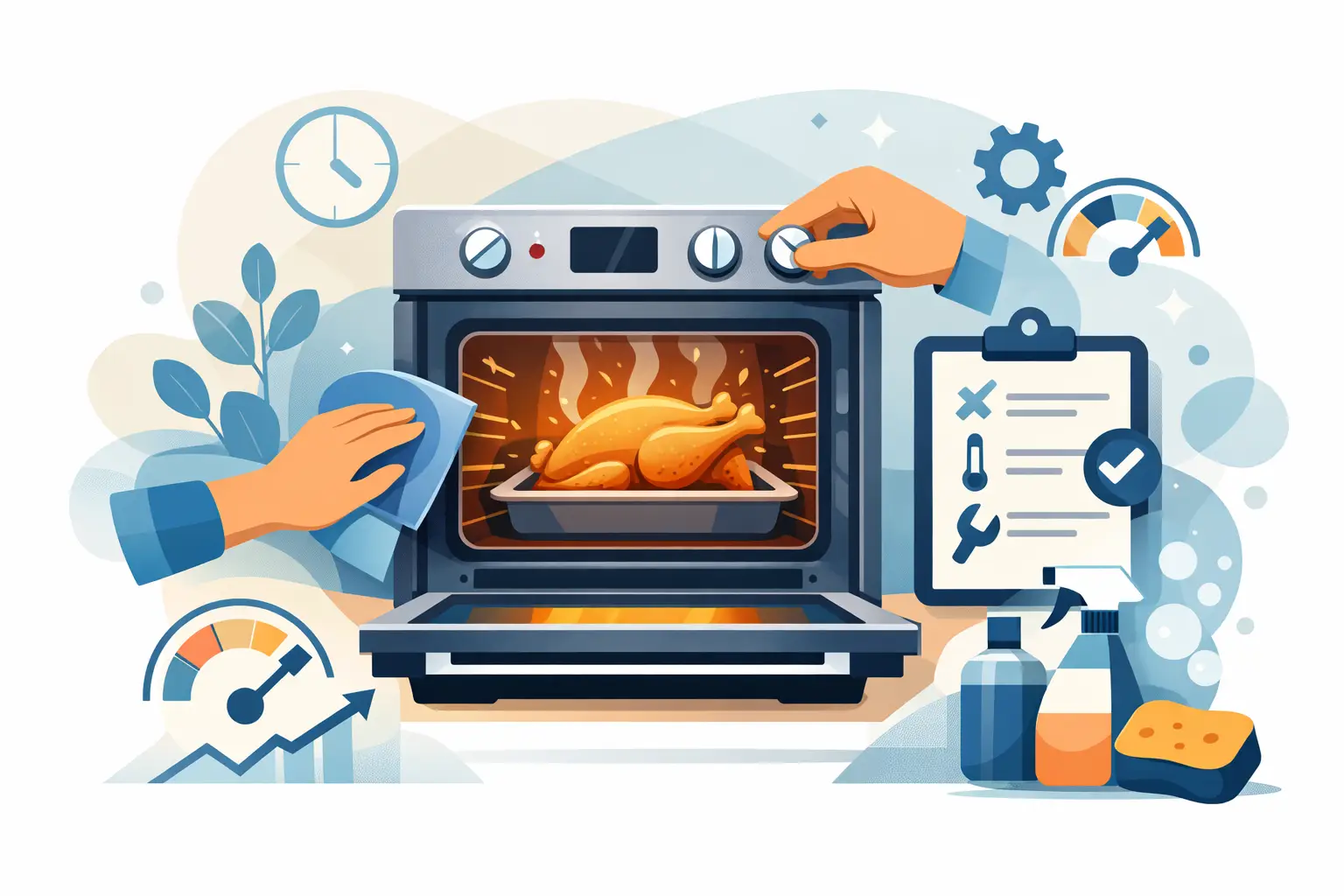
A tray of cookies that browns unevenly, a roast that takes far longer than expected, or smoke rising from a supposedly clean oven can disrupt more than dinner. Knowing how to maintain oven performance helps protect the precision, speed, and confidence that make cooking enjoyable, whether you are preparing weeknight meals for family or managing a busy professional kitchen.
An oven works hard behind the door. Heat, moisture, grease, food particles, and frequent temperature changes all affect how efficiently it cooks over time. The right care routine is not complicated, but it does require consistency. Small habits can help your oven heat more accurately, cook more evenly, and remain a reliable part of the kitchen for years.
Start With a Clean Cooking Cavity
Spills are more than a cosmetic issue. Sugary sauces, melted cheese, and grease can burn onto the oven floor and walls, creating smoke and odors every time the oven heats up. Heavy buildup may also interfere with airflow and cause food to pick up unwanted flavors.
Wipe fresh spills once the oven has cooled enough to clean safely. A soft cloth or nonabrasive sponge with warm water and a mild cleaner is usually sufficient for routine care. Avoid harsh scouring pads, metal tools, and strong chemical products unless the oven manufacturer specifically recommends them. These can damage enamel surfaces, door glass, seals, or protective coatings.
For more established residue, let a baking soda and water paste sit on the affected area before wiping it away. Keep the paste away from heating elements, fan openings, and electrical components. This gentler approach takes more time than aggressive scrubbing, but it is often the better choice for preserving interior finishes.
Use the Self-Cleaning Function With Care
Self-cleaning cycles use extremely high heat to reduce baked-on residue to ash. They are useful when the cavity needs a deeper reset, but they should not replace everyday wiping. Excess grease can create heavy smoke during the cycle, while frequent high-heat cleaning places added strain on components.
Remove racks, trays, thermometer probes, and loose debris before starting. Keep the kitchen ventilated and follow the oven manual closely. For households that cook often, a light manual clean every few weeks may mean the self-cleaning cycle is needed less often.
Protect Airflow, Racks, and Heating Elements
Good oven performance depends on hot air moving where it should. Overcrowding the cavity blocks circulation, especially in convection settings, and can leave one tray browned while another remains pale. Leave space between pans and avoid lining racks with foil, which can restrict airflow and trap heat in places it does not belong.
Check that racks slide smoothly and sit level. Bent, unstable, or heavily coated racks make it harder to position food correctly, affecting browning and cooking time. Wash removable racks separately with warm, soapy water, dry them fully, and return them only when the oven is cool.
Electric oven heating elements should look intact, without visible cracks, blistering, or burnt spots. In gas ovens, the burner flame should generally appear steady and mostly blue. A weak flame, delayed ignition, unusual clicking, or a noticeable gas smell calls for immediate attention from a qualified technician. Do not attempt to dismantle gas connections or electrical parts yourself.
Check Temperature Accuracy Before Recipes Suffer
If food repeatedly cooks too quickly, stays underdone at the center, or browns unpredictably, temperature accuracy may be the cause. The display may say 350°F, but the actual cavity temperature can vary. This is especially noticeable with baking, where a small difference can change the rise of cakes, the texture of bread, or the spread of cookies.
Place an oven thermometer in the center of the middle rack and preheat fully. Check the reading after the oven has had time to stabilize, then repeat the test on another day. One reading is a useful signal, but several readings give a clearer picture because ovens naturally cycle above and below the set temperature as they maintain heat.
If the difference is consistent, consult the user manual for calibration instructions. Many modern ovens allow a modest temperature adjustment through the control panel. If temperatures fluctuate widely, the oven does not reach heat, or error codes appear, schedule professional service. Calibration can correct a small offset; it cannot fix a failing sensor, igniter, element, or control board.
Maintain the Door Seal for Efficient Heat
The oven door gasket does quiet but essential work. It seals heat inside the cavity, helping the oven reach temperature efficiently and stay stable throughout cooking. A torn, flattened, loose, or greasy gasket can allow heat to escape, increasing energy use and extending cooking times.
Inspect the seal periodically, especially around the corners. Wipe it gently with a damp cloth rather than soaking it with cleaner. Do not pull or stretch the gasket, and avoid slamming the door, which can gradually affect the seal and hinge alignment.
The door glass deserves regular attention as well. Grease on the inside can darken with heat and make it difficult to monitor food. Use a soft cloth and a cleaner suitable for glass, taking care not to flood the edges of the door where moisture may reach internal layers. If condensation, stains, or debris appear between glass panels, refer the job to a service professional unless the manufacturer provides clear instructions for safe access.
Cook Smarter to Reduce Wear
A few cooking choices make routine maintenance easier. Use roasting pans or baking sheets with raised edges for dishes likely to bubble over. Cover splatter-prone foods when appropriate, and place casseroles on a larger sheet pan if they are filled close to the rim. These simple steps reduce smoke, cleanup time, and burnt-on residue.
Preheat only as long as the recipe requires. Baking and roasting often benefit from a full preheat, while some covered dishes and reheated foods may not need one. Repeatedly opening the door during cooking releases heat and forces the oven to work harder to recover. Use the window and interior light to check progress whenever possible.
Choose cookware that supports the result you want. Dark metal pans absorb more heat and can brown food faster, while glass and ceramic dishes often retain heat longer after removal. Neither option is wrong, but understanding the difference helps prevent overbaking that may be mistaken for an oven problem.
Build a Routine That Matches Your Kitchen
The best maintenance schedule depends on how the oven is used. A household that bakes twice a week needs a different routine than a café, catering operation, or restaurant that runs multiple cooking cycles daily. The principle is the same: clean lightly and inspect often, rather than waiting for performance issues to become expensive repairs.
For most home kitchens, wipe spills after use, clean the door and racks as needed, and inspect the gasket and interior every month. Test temperature accuracy every few months, or sooner if recipe results change. In commercial settings, teams should include cavity cleaning, rack checks, door inspections, and burner or element observations in daily closing procedures, with documented professional servicing at intervals suited to the equipment and workload.
Keep the oven exterior clean too. Control panels, handles, and ventilation areas collect grease and dust that can affect both appearance and safe operation. Never spray cleaner directly into controls or vents. Apply it to a cloth first, then wipe carefully.
Know When Professional Service Is the Right Choice
Some signs should not be handled as a cleaning project. Repeated tripped breakers, sparking, damaged wiring, failure to ignite, unstable flames, smoke that persists after cleaning, a door that will not close properly, or large temperature swings all warrant qualified service.
Prompt repair protects the appliance, the kitchen, and the people using it. It can also prevent a minor replacement part from becoming a larger issue involving cooking downtime or food waste. Registering the product warranty and keeping service records makes this process easier, particularly for equipment that supports a high-use kitchen.
Reliable cooking starts long before the timer sounds. With regular care, thoughtful use, and timely professional support, an oven can continue delivering the consistent heat behind everyday meals, ambitious bakes, and the moments of sharing that bring people back to the table.