
Cart 0

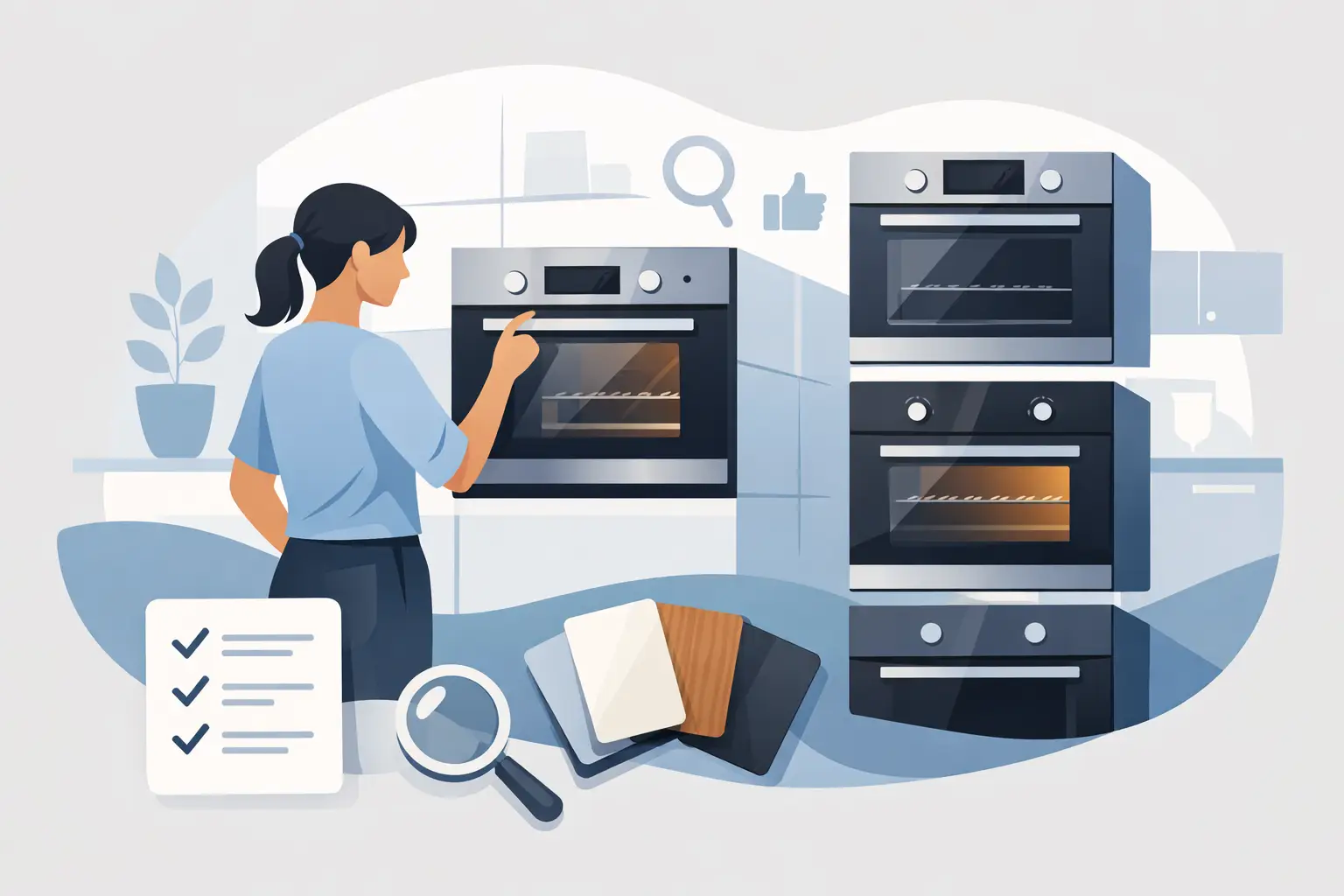
A built-in oven can make a kitchen look cleaner, cook more evenly, and free up your layout in ways a freestanding unit cannot. But if you are wondering how to choose built in oven options without overpaying or ending up with features you never use, the best place to start is not the finish or the brand name. It is your cooking routine.
The right oven should fit the way you live. For some homes, that means quick weeknight meals, reliable baking, and simple controls. For others, it means entertaining often, preparing multiple dishes at once, or creating a sleek kitchen with appliances that feel as polished as the cabinetry around them. A good choice balances performance, design, and daily convenience.
How to choose built in oven for your kitchen
Before comparing functions, decide where the oven will sit and how it will be used. Built-in ovens are designed to integrate into cabinetry, so dimensions matter more than many buyers expect. A beautiful model is not the right model if it does not suit your cabinet cutout, electrical setup, or workflow.
Start with the installation space. Measure the cabinet opening carefully, including height, width, and depth, and leave room for ventilation according to the product requirements. If you are replacing an old built-in oven, do not assume all sizes are identical. Even a small mismatch can create extra carpentry work and delay installation.
Then think about placement. A built-in oven installed at eye level can be more comfortable if you bake often and want easier access without bending. An under-counter oven may suit a compact kitchen or a layout centered around a cooktop. Neither is automatically better. It depends on how much space you have and which setup makes cooking feel easier.
Single or double oven
This is one of the first real trade-offs. A single oven works well for many households, especially if kitchen space is limited or most meals are straightforward. It is usually the more budget-friendly option and can still offer plenty of capacity for roasting, baking, and everyday cooking.
A double oven makes more sense if you regularly cook for a large family, host gatherings, or need two temperatures running at the same time. That flexibility can be a major advantage during holidays or busy weekends. The trade-off is cost, more installation space, and sometimes a learning curve in deciding how to use each cavity efficiently.
Choose capacity based on real cooking habits
Oven capacity sounds technical, but it is really about whether your cookware and meal size fit your lifestyle. If you mostly heat casseroles, bake cookies, or roast a chicken once in a while, a standard capacity may be more than enough. If you use large roasting pans, bake multiple trays, or cook for a crowd, extra interior space becomes much more valuable.
Do not choose the biggest oven by default. A larger cavity can be helpful, but it may take more energy to heat and may feel excessive for smaller households. On the other hand, buying too small can quickly become frustrating if trays are cramped or airflow is poor when cooking more than one dish.
Shelf positions also matter. An oven with well-designed racks and multiple levels can make a mid-size cavity feel much more practical than a larger one with limited flexibility.
Which cooking functions are actually worth it?
This is where many buyers get distracted. Modern built-in ovens can come with a long list of functions, but not every feature improves everyday cooking. The goal is to choose functions you will truly use.
Convection is one of the most useful features for most homes. It circulates hot air for more even cooking and can help with roasting, baking, and batch cooking. If consistency matters to you, this is often worth prioritizing.
Grill or broil functions are useful for browning the top of dishes, crisping finishes, or preparing quick meals. Fan-assisted cooking can also help speed up meal preparation, which is especially helpful for busy families.
Some ovens include steam-assist, air-fry modes, food probes, preset programs, or multi-stage cooking. These can be excellent additions if they match your habits. If you love baking bread, steam support may genuinely improve results. If you rarely experiment and mostly want dependable daily use, too many settings can simply add cost and complexity.
A smart rule is this: choose performance first, then convenience features. Reliable heat distribution, accurate temperature control, and easy operation will matter longer than novelty.
How to choose built in oven controls and usability
An oven can have impressive specifications and still be frustrating to use. Controls are a perfect example. Some people prefer simple knobs and direct selections because they are fast and intuitive. Others like touch controls and digital displays for their cleaner look and extra precision.
Neither approach is wrong. What matters is clarity. You should be able to set temperature, cooking mode, and timer functions without second-guessing the interface. If multiple family members will use the oven, simplicity becomes even more important.
Look closely at the door design, interior lighting, and rack movement too. Smooth-glide shelves, a clear viewing window, and bright interior light all improve the cooking experience in small but meaningful ways. These details often separate an oven that looks good in the showroom from one that feels good every day.
Design should work with your kitchen, not fight it
A built-in oven is part appliance, part visual feature. Since it sits directly within your cabinetry, its finish and proportions affect the whole room. Stainless steel, black glass, and minimalist combinations remain popular because they suit many modern kitchens and create a polished look.
Still, style should not override practicality. Dark glass finishes can look striking, but some show fingerprints more easily. Handle design matters too. A bold handle may complement a statement kitchen, while a more integrated look suits streamlined spaces.
If you are planning a full kitchen update, think about how the oven pairs with your cooktop, range hood, and surrounding hardware. The best result usually comes from balance rather than trying to make every appliance stand out on its own. This is where a brand like VEES naturally fits modern homes that want performance and a refined finish in one decision.
Safety and cleaning features are worth serious attention
Safety matters in every kitchen, especially in homes with children or in high-use cooking environments. Triple-glazed doors, cool-touch surfaces, door locks, and automatic shut-off features can all add peace of mind.
Cleaning is another area where smart design pays off over time. A built-in oven that is difficult to clean will feel less appealing very quickly. Look for smooth enamel interiors, removable door glass where available, and programs that reduce grease buildup or make cleanup easier.
Self-cleaning features can be helpful, but consider how they work. Some high-heat cleaning cycles are effective, though they may use more energy and require a waiting period before the oven can be used again. Steam-clean options are usually gentler and faster, but may be better for lighter maintenance than heavy residue. It depends on how intensely you cook.
Energy use, durability, and long-term value
Buying an oven is not only about the purchase price. Long-term value comes from durability, efficient operation, and dependable results over the years. A cheaper model may save money upfront but disappoint if heating becomes uneven or components wear quickly.
Pay attention to build quality. Strong hinges, solid rack supports, stable temperature performance, and quality materials all matter. If you cook often, these details become even more important than decorative extras.
Energy efficiency is worth considering as well, especially for households that use the oven several times a week. An efficient model can help reduce operating costs while still delivering strong cooking performance. That said, efficiency should be viewed alongside cooking quality. Saving a little energy is not helpful if results are inconsistent.
When professional use changes the decision
For restaurants, cafés, and serious food businesses, oven selection becomes more demanding. Capacity, recovery time, durability, and ease of cleaning are often more important than decorative design. A commercial buyer may also need to think about output during peak service, staff usability, and maintenance support.
Even in these cases, the same core principle applies: choose based on how the kitchen actually works. The best oven is the one that supports speed, consistency, and confidence during real service, not just on a product sheet.
A built-in oven should make cooking feel more efficient, more enjoyable, and better organized from day one. Choose the model that fits your space, supports the meals you actually make, and adds the kind of performance you will still appreciate long after the kitchen reveal photos are forgotten.