
Cart 0

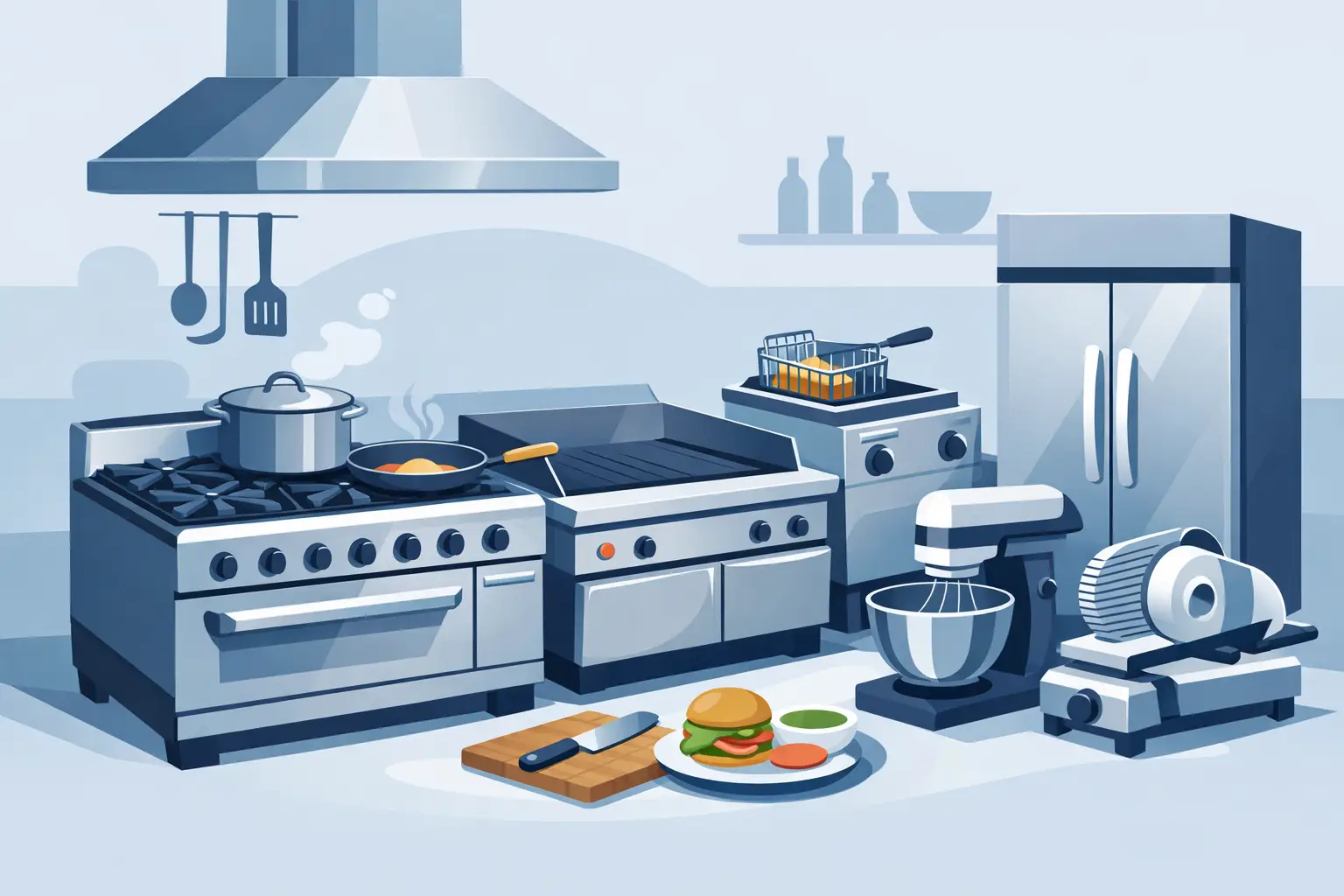
A busy kitchen tells the truth fast. When tickets stack up, prep runs long, and service starts slipping, the problem is not always the team. Often, it is the equipment. Choosing the best commercial cooking equipment means building a kitchen that can keep pace with demand, hold consistent temperatures, and support the kind of food quality customers come back for.
For restaurant owners, caterers, café operators, and growing food businesses, this decision goes beyond buying powerful machines. The right setup should fit your menu, your floor plan, your staff, and your pace of service. It should also make daily work easier, safer, and more predictable.
What makes the best commercial cooking equipment?
The best equipment is not simply the most expensive or the most advanced. It is the equipment that performs reliably under pressure and matches the way your kitchen actually works.
In practical terms, that usually comes down to five things: speed, consistency, durability, safety, and ease of cleaning. If a unit heats quickly but creates hot spots, it slows you down later through uneven results. If it looks impressive but is difficult to maintain, it can quietly increase labor time every single day. Good commercial equipment earns its place by improving output without adding friction.
That is why professional buyers often think in terms of workflow, not just features. A range that supports fast pan work, an oven that holds stable temperatures, and a hood that keeps the kitchen more comfortable all contribute to better service. Performance is rarely about one machine alone. It is about how each piece supports the rest.
Best commercial cooking equipment for a high-function kitchen
Most commercial kitchens do not need everything. They need the right core equipment, chosen with purpose.
Commercial ranges and hobs
For many operations, the cooking line starts here. Gas hobs remain a strong choice for chefs who want responsive heat control and quick visual feedback. They are especially useful in kitchens where sautéing, boiling, and pan finishing happen constantly throughout service.
Electric hobs, on the other hand, can be a smart fit for businesses that prioritize easy cleaning, a modern look, and controlled heating performance. In some settings, they also support a cleaner kitchen design with less open flame exposure. The better option depends on your menu and staff preferences. A stir-fry heavy concept may lean one way, while a café with a smaller hot line may prefer the other.
The real test is whether the hob can maintain output during peak hours. You want strong, stable heat and a surface designed for repeated daily use, not just light cooking.
Commercial ovens
An oven is often where consistency is won or lost. Baking, roasting, finishing, and batch cooking all demand dependable heat distribution. If your oven runs unevenly, you will see it in product waste, slower ticket times, and food that needs constant checking.
The best commercial cooking equipment usually includes an oven that fits both your volume and your menu style. A bakery or roast-focused concept may need larger cavity space and precise temperature control. A smaller restaurant may be better served by a compact but efficient unit that handles multiple tasks without occupying too much floor area.
Modern commercial ovens are especially valuable when they reduce guesswork. Stable heating, intuitive controls, and durable door construction make a bigger difference over time than flashy extras you rarely use.
Commercial cookers and specialty units
Some kitchens need equipment tailored to a narrower task. Electric cookers, stock pot stations, griddles, or countertop units can improve production when one category of food drives a large share of orders.
This is where buying too broadly can become expensive. Specialty equipment should solve a real operational problem. If one menu item is slowing service or creating a bottleneck, a dedicated unit can transform throughput. If demand is occasional, that same unit may sit idle and take up valuable space. The smartest kitchens invest where repetition justifies the footprint.
Range hoods and ventilation support
Cooking performance is not only about heat. Airflow matters more than many buyers expect. A strong range hood helps remove grease, smoke, and heat, making the kitchen safer and more comfortable for staff.
This has a direct impact on productivity. In a hot, smoky environment, teams tire faster and work less precisely. Good ventilation also supports equipment longevity by reducing grease buildup around the line. It is not the most exciting purchase, but it is one of the most important.
How to choose the best commercial cooking equipment for your business
The smartest buying decisions start with your menu. A kitchen that turns out high-volume noodles, grilled meats, and wok dishes has different needs from one focused on pastries, plated entrées, or casual breakfast service. Equipment should reflect what you cook most, not every dish you might add someday.
Your service pattern matters just as much. If you serve sharp lunch and dinner rushes, you need equipment that recovers heat quickly and handles repetitive use without slowing down. If your business runs on steady all-day volume, energy efficiency and cleaning convenience may carry more weight.
Space is another major factor. Bigger is not always better. Oversized equipment can crowd prep zones, tighten movement paths, and create workflow problems that cost more than the extra capacity helps. A well-planned compact kitchen often outperforms a poorly arranged large one.
Then there is durability. Commercial equipment should feel built for repetition. Strong materials, stable knobs and controls, easy-clean surfaces, and solid internal components all matter because downtime is expensive. Buying cheap can look efficient on day one and become costly by month six.
The trade-offs buyers should think about
There is no single perfect setup because every kitchen balances different priorities.
Gas often appeals to operators who want speed and live heat control, but electric can offer a cleaner appearance and easier maintenance in some layouts. Larger equipment gives you room to scale, but smaller units can preserve flexibility and improve movement in tighter kitchens. Advanced controls may improve precision, yet simpler machines can be easier to train on and maintain.
Budget also shapes the decision, but it should not control it entirely. A lower upfront price is attractive, though total value comes from lifespan, repair frequency, output quality, and day-to-day usability. Equipment that saves labor, cuts waste, and supports consistent food quality usually pays back more than equipment that only saves money at checkout.
Why design and ease of use matter more than people think
Commercial kitchens are functional spaces, but good design still matters. Clear controls, easy-to-clean surfaces, practical handle placement, and a modern finish all contribute to a better daily experience.
This is especially true for mixed-use businesses, open kitchens, and brands that care about presentation. Equipment should perform hard without making the space feel harsh. A polished, professional kitchen builds confidence for staff and customers alike.
That balance of performance and design is one reason many buyers look for solutions that feel current, dependable, and built for real use. VEES, for example, has built its reputation around cooking equipment that combines modern kitchen performance with durability, convenience, and refined styling.
A smarter way to invest in commercial kitchen performance
If you are choosing equipment for a new kitchen or upgrading an existing one, start with the tools that shape service every day. Focus on the cooking line, the oven, and the ventilation around them. Get those decisions right, and many other parts of the kitchen become easier to manage.
The best commercial cooking equipment should help your team move with confidence. It should shorten prep pressure, support consistent results, and stand up to the demands of a real working kitchen. When equipment is chosen well, service feels smoother, food quality becomes more repeatable, and the whole space works with greater ease.
That is the kind of investment that keeps paying off long after installation day.