
Cart 0

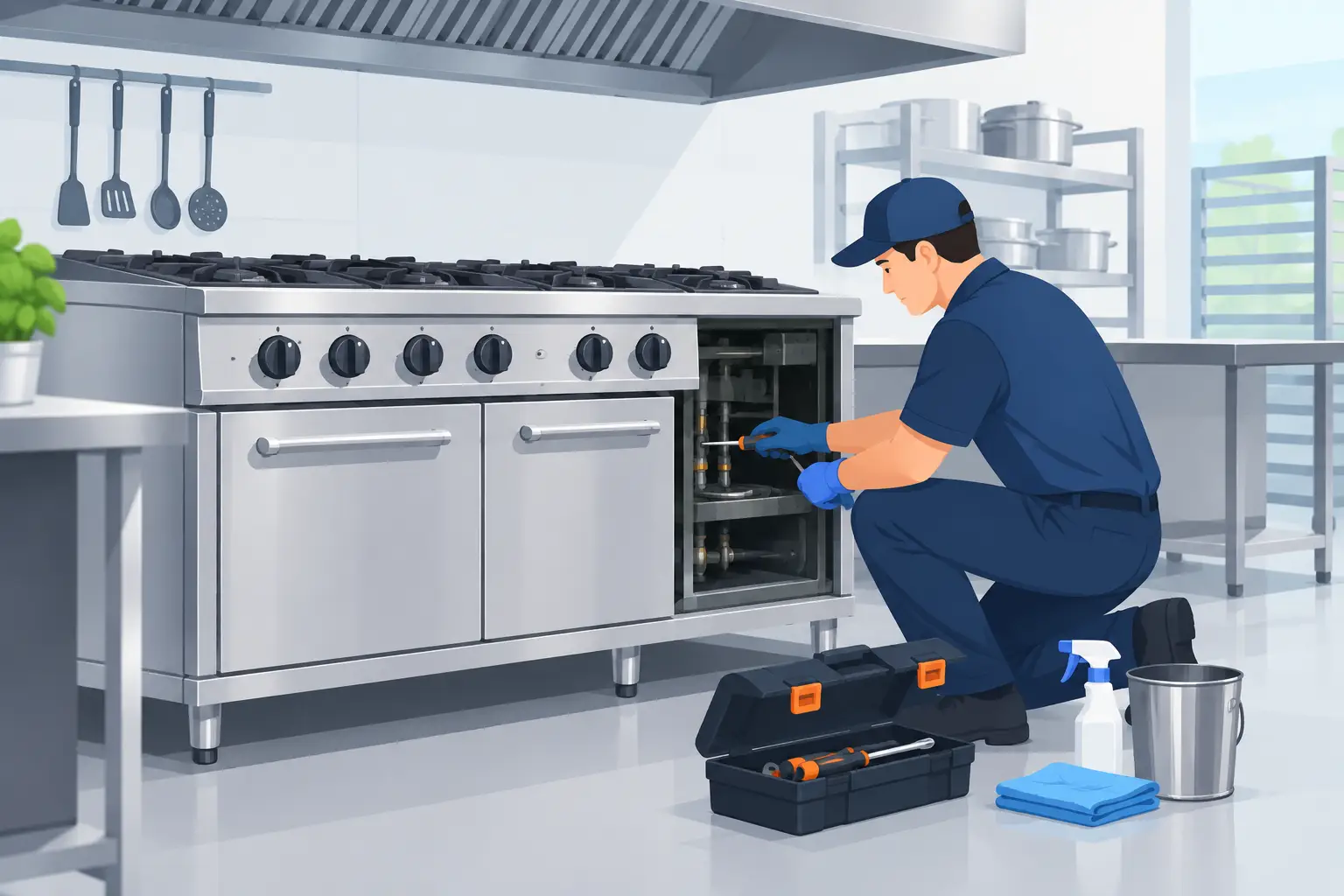
The dinner rush rarely exposes a cooker problem for the first time. It exposes the small issues that were left behind after yesterday’s service: clogged burner ports, grease around controls, loose electrical connections, or an oven door that no longer seals tightly. Knowing how to maintain commercial cookers helps protect the pace, consistency, and safety your kitchen depends on.
For restaurants, catering teams, and high-volume food businesses, cooker maintenance is not simply a cleaning task. It is a practical operating habit that keeps heat responsive, energy use under control, and staff focused on great food instead of unexpected equipment trouble. A well-cared-for commercial cooker also presents a cleaner, more professional kitchen to every team member who works on the line.
Start With a Care Plan That Fits Your Cooker
Commercial cookers work hard, but they do not all require identical care. A gas cooker needs attention around burners, ignition parts, grates, and gas connections. An electric cooker needs clean cooking surfaces, dry controls, undamaged cords, and correctly functioning heating zones. Combination units, ranges, and cookers with ovens require an additional check of fans, doors, seals, racks, and drainage areas where applicable.
The manufacturer’s instructions should always set the baseline. They identify approved cleaning products, removable components, and service requirements for your specific model. Using an aggressive cleaner on a glass surface or soaking electrical components may create more damage than the grease you intended to remove.
The most reliable routine divides tasks into daily cleaning, weekly inspection, and scheduled professional service. This keeps maintenance manageable during busy operations while making sure smaller faults are spotted before they become costly downtime.
Daily Commercial Cooker Maintenance Starts After Service
End-of-shift cleaning is the most valuable habit in a commercial kitchen. Food debris and grease harden quickly under repeated heat cycles. Once buildup reaches burner openings, heating elements, controls, or oven door seals, performance can become less predictable.
Allow the cooker to cool to a safe temperature, then switch it off and isolate the power or gas supply according to your site procedures. Wipe the exterior, cooktop, control panel, and surrounding splash areas with a soft cloth and a suitable nonabrasive cleaner. Dry the surfaces completely, especially around knobs, touch controls, and electrical connections.
For gas cookers, remove grates and burner caps if the model allows it. Wash them with warm water and mild detergent, then make sure every piece is fully dry before reassembly. Moisture in burner components can interfere with ignition and produce an uneven flame.
For electric cookers, remove spills as soon as the surface is safe to handle. Sugary sauces, starches, and acidic ingredients can bake onto the surface and become difficult to remove. Avoid dragging heavy pots across glass or ceramic cooking zones, since scratches can affect both appearance and long-term durability.
A quick visual check should be part of the same closing routine. Look for damaged knobs, cracked surfaces, loose grates, unusual discoloration, and residue near vents. If something does not look right, record it before the next shift begins.
Keep Burners and Heat Zones Working Evenly
Cooking consistency begins with even heat. A burner that flames only on one side, or an electric zone that takes too long to respond, slows production and makes portion control more difficult. It can also encourage staff to turn settings higher than necessary, increasing energy use and the risk of scorching food.
On gas equipment, inspect burner ports regularly for grease, crumbs, and carbon buildup. Use a soft brush or a tool approved for the cooker to clear openings carefully. Do not force sharp objects into ports, as changing their shape can affect the flame pattern. Once reassembled, the flame should be stable and mostly blue. Yellow or irregular flames can point to blocked ports, incorrect positioning, or a gas and air mixture issue that needs qualified attention.
With electric cookers, test each heating zone at a moderate setting and observe whether it heats steadily. Slow response, flickering indicators, or zones that cycle unusually may signal a control, element, or wiring concern. Do not ask staff to work around a faulty zone for weeks. Taking action early is usually easier and safer than waiting for a complete failure during a busy service.
Clean Ovens, Vents, and Seals Before Buildup Affects Results
If your commercial cooker includes an oven, its interior needs the same discipline as the cooktop. Grease deposits and food particles can create smoke, unwanted odors, and uneven cooking. They can also shorten the life of fans and internal components.
Brush out loose debris after the oven has cooled, remove racks for washing, and clean interior surfaces with products compatible with the oven lining. Avoid spraying cleaner directly into vents, fan openings, or electrical areas. If your unit has a self-cleaning function, use it only as instructed and schedule it when the kitchen can accommodate the heat and downtime it may require.
Door seals deserve special attention. A split, flattened, greasy, or loose gasket lets heat escape, forcing the cooker to work harder and affecting cooking times. Wipe the seal gently during routine cleaning and check that the door closes evenly. Replacing a worn gasket is a relatively small maintenance task that can make a noticeable difference in efficiency and cooking consistency.
Keep ventilation clear around the cooker as well. The appliance needs adequate airflow to operate safely, while the extraction system must remove heat, grease, and steam effectively. Cooker maintenance and hood maintenance are connected: a clean cooker is easier to keep safe, and a well-maintained ventilation system helps create a more comfortable working kitchen.
Inspect Controls, Connections, and Safety Features Weekly
Weekly checks add a layer of protection that daily wiping cannot provide. Assign this task to a trained manager, chef, or facilities team member who understands what normal operation looks like for your equipment.
Check the following areas and document any changes:
- Knobs, switches, displays, and ignition systems for smooth, reliable operation
- Power cords, plugs, and visible wiring for wear, heat damage, or loose fittings
- Gas hoses and accessible connections for damage, movement, or unusual odor
- Door hinges, rack supports, feet, and casters for stability and alignment
- Safety labels, shutoff access, and clearance around the appliance
Never attempt to repair gas connections, internal electrical parts, thermostats, or safety cutoffs without the appropriate qualification. A commercial cooker is designed for performance, but its safety systems must be treated with respect. If you smell gas, hear unusual clicking, notice sparking, or see smoke from electrical components, stop using the appliance, isolate it if safe to do so, and follow your business’s emergency procedure.
Train the Team, Not Just the Manager
Even the best maintenance schedule fails if only one person knows it exists. Cooks, porters, and closing staff should understand the correct cleaning method, which components can be removed, and when an issue must be reported rather than ignored.
A simple checklist near the closing station can help create consistency, particularly when staff rotate. Keep it specific to the equipment: wipe controls, clear spills, clean grates, inspect burner caps, check the oven seal, and report faults. The goal is not to add unnecessary paperwork. It is to make care part of the same professional rhythm as prep, cooking, and cleaning down.
Training also prevents well-meaning damage. Steel wool, overly strong degreasers, excessive water, and improvised repairs can all reduce the life of a cooker. Give staff the correct tools and approved products so that fast cleaning does not come at the cost of long-term performance.
Schedule Professional Service Before a Breakdown
Daily and weekly care keeps the cooker clean and makes warning signs visible, but it does not replace professional servicing. The right interval depends on the cooker type, volume of use, local regulations, and the demands of your menu. A high-output restaurant line may need more frequent inspections than a small café that uses its cooker only during limited service hours.
A qualified technician can test calibration, inspect internal wiring or gas components, assess ignition performance, verify safety devices, and replace worn parts before they disrupt service. Keep service records with notes on recurring concerns. Patterns such as repeated ignition issues or declining oven temperatures can help you decide whether repair, adjustment, or replacement is the smarter business choice.
For kitchens that value dependable performance and refined design, equipment care protects more than an appliance. It protects the calm confidence of a service that runs as planned. Give your commercial cooker a consistent routine, and it will be ready to support every plate, every shift, and every moment of sharing that comes from a well-run kitchen.