
Cart 0

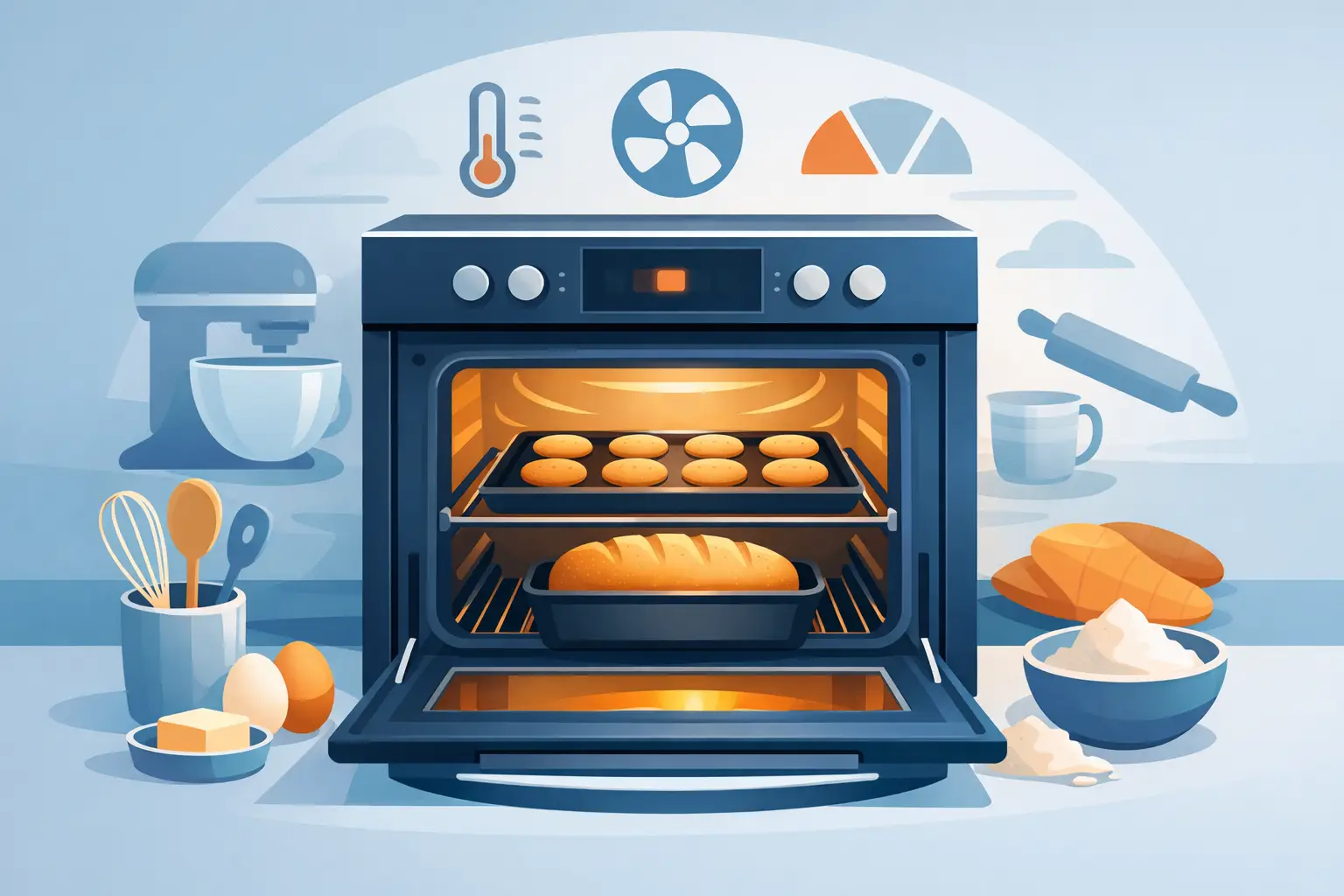
A tray of cookies should not require a rescue mission halfway through baking. When the back row browns too quickly, cakes rise unevenly, or one side of a roast finishes before the other, the issue is often heat distribution. The best ovens for even baking create a more dependable cooking environment, so family recipes, weekend entertaining, and everyday meals come out as intended.
Even baking is not about chasing the highest temperature or the longest feature list. It comes down to how consistently an oven reaches, holds, and circulates heat around food. For homeowners building a refined kitchen and busy cooks who need reliable results, choosing the right oven can make every meal feel easier to prepare and better to share.
What Makes an Oven Bake Evenly?
Every oven has heating elements, but their placement and the way heat moves inside the cavity determine the final result. In a conventional oven, heat commonly rises from a lower element, with an upper element assisting during certain settings. This can work beautifully for single-rack baking, but it may produce hot spots when several pans are in use.
An oven designed for more consistent performance combines thoughtful heating-element placement with accurate temperature management and well-directed airflow. The aim is simple: heat should reach the food evenly without creating an overly forceful draft that dries delicate bakes.
Temperature accuracy matters just as much as heat circulation. If an oven is set to 350°F but regularly runs 20 degrees hotter or cooler, baking times become less predictable. A responsive thermostat and dependable electronic controls help maintain the selected temperature through the cooking cycle, supporting more reliable browning, rising, and setting.
Door construction also plays a quiet but valuable role. A well-sealed door and insulated glass help retain heat, reducing temperature swings every time the heating system cycles. This is especially helpful for breads, soufflés, cheesecakes, and other recipes that respond poorly to sudden changes in heat.
Why Convection Is Often the Better Choice
For many households, a convection oven is the strongest starting point when even baking is a priority. A fan circulates heated air around the cavity, helping reduce the temperature differences that can occur between the front, back, top, and bottom of the oven.
The benefit becomes clear when baking multiple trays of cookies, roasting vegetables for a crowd, or preparing several dishes for a family gathering. More consistent airflow can encourage even browning and help food cook efficiently across more than one rack. It also gives home cooks greater confidence when timing a meal with several components.
That said, convection is not automatically the right setting for every recipe. Strong airflow can cause small, light items such as meringues or delicate sponge cakes to dry or set unevenly. Many cooks prefer conventional heat for custards, quick breads, and recipes developed specifically for a traditional oven. The most flexible choice is an oven that offers both conventional and convection modes, allowing the cooking method to suit the dish.
Some ovens include true convection, which uses a dedicated heating element near the fan. This design can deliver more stable circulated heat than a fan alone. It is a practical feature for frequent bakers and anyone who regularly cooks on multiple shelves, though a quality standard convection system may be more than sufficient for everyday family meals.
Best Ovens for Even Baking: Features to Prioritize
When comparing ovens, look beyond the exterior finish and headline cooking modes. The features below have the greatest day-to-day impact on baking consistency.
Multiple rack positions and useful cavity space
An oven should give you room to position food correctly. Several rack levels make it easier to place a single cake in the center, keep a casserole away from direct upper heat, or bake two trays with enough space for air to circulate.
Capacity should match the way you cook. A larger cavity is useful for holiday roasts, big baking sheets, and meals prepared for guests. However, a compact oven may be the smarter choice for a smaller household or a kitchen where every inch matters. What matters most is usable interior space, not simply the largest number on a specification sheet.
Precise temperature controls
Clear controls and a responsive thermostat are essential for baking. Digital temperature selection can offer more confidence than an imprecise dial, particularly when recipes call for exact heat. An oven temperature probe is also useful for meats and larger dishes, although it does not replace the need for stable ambient oven heat.
For best results, test any new oven with an independent oven thermometer during the first few uses. If the displayed temperature differs consistently from the actual temperature, check whether the appliance allows calibration. Small adjustments can make a meaningful difference in cookies, pastries, and breads.
Evenly designed rack and tray support
Racks should slide securely and sit level. This may seem minor, but a tilted rack can pull batter to one side of a pan and affect how sauces or fats distribute across a dish. Sturdy supports also make it safer to check a heavy roasting pan without disturbing the food or losing heat for longer than necessary.
If you regularly bake pizzas, breads, or pastries, consider the interior width and depth in relation to your preferred pans. An oven that fits your real cooking tools comfortably is more useful than one with impressive dimensions that do not suit your workflow.
A door that lets you check without interrupting
A bright interior light and wide viewing window reduce the temptation to open the door repeatedly. Every opening releases heat, and recovery takes time. This matters most during the early stages of baking, when cakes are rising and pastry structure is forming.
Look for a solid door seal, smooth hinges, and multi-layer glass where available. These details support heat retention while helping keep the exterior safer to touch in a busy family kitchen.
Match the Oven to Your Cooking Style
The best oven is not identical for every cook. A household that bakes birthday cakes, cookies, and weekday dinners may value a built-in electric oven with convection, easy-to-read controls, and flexible rack positions. It supports daily convenience while maintaining the clean, integrated look many modern kitchens are designed around.
For enthusiastic home cooks who host often, a larger oven or a range with a generous cavity can be worth the investment. The ability to roast a main dish while baking sides or dessert on another rack brings calm to occasions that might otherwise feel rushed.
Restaurant operators and culinary professionals need to think beyond a single perfect batch. Commercial cooking calls for durable construction, fast heat recovery, and a cavity that performs consistently through repeated door openings and heavy daily use. In that setting, an oven that saves a few minutes per cycle can improve the entire kitchen rhythm.
A reliable kitchen solution should support the moments around the meal as well as the meal itself. VEES focuses on performance-led cooking equipment that brings together practical precision, durable design, and the ease people want from a modern kitchen.
Habits That Improve Baking in Any Oven
Even a well-designed oven benefits from the right technique. Preheat fully, rather than relying only on the sound or signal that indicates the oven has reached its set point. Many ovens continue stabilizing for several minutes after that alert.
Place pans with space around them so heat can move freely. Avoid lining every rack with foil, as this may restrict airflow and affect heat circulation. Use light-colored baking pans when a recipe calls for gentler, more even browning, since dark pans absorb more heat and can over-brown the bottom of cookies and cakes.
For multi-rack baking, follow the guidance for your selected mode. Convection often allows more than one rack with fewer adjustments, while conventional baking may require rotating pans partway through. Rotate only when the recipe can tolerate it. Opening the door too soon can cause delicate cakes to sink.
Finally, keep the oven clean. Burned-on spills and grease can smoke, create unwanted odors, and interfere with the cooking experience. A clean cavity, intact door gasket, and properly seated racks help the oven perform at its best over time.
The right oven should make baking feel less like guesswork and more like an enjoyable part of home life. Choose the features that match how you cook, learn the settings that suit your favorite recipes, and let dependable heat create more moments worth sharing.