
Cart 0

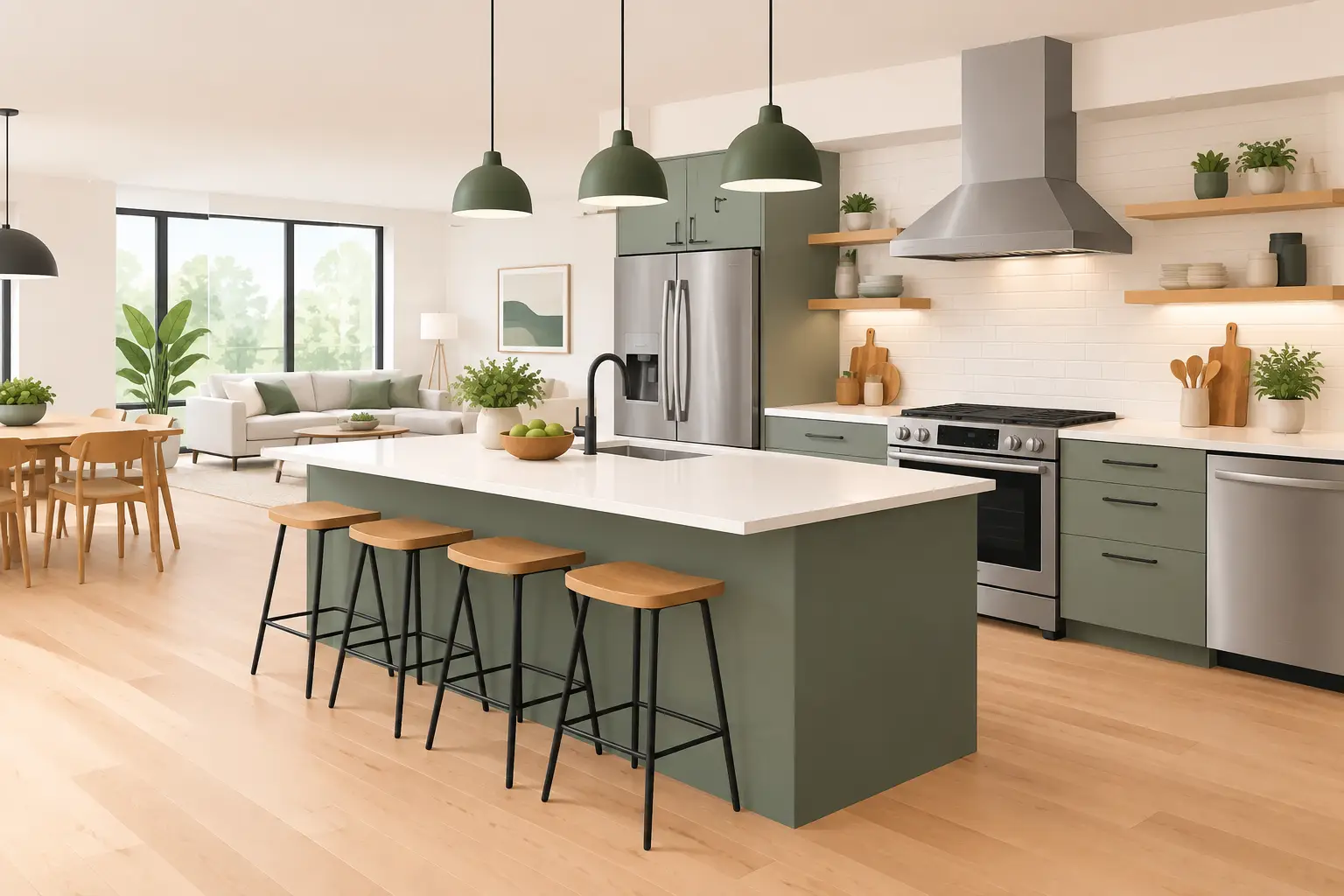
An open kitchen puts cooking on display. The sizzle of a family dinner, the aroma of a favorite sauce, and the movement between the island and dining table all become part of the room’s character. That is why the best appliances for open kitchens need to do more than cook well. They should look refined, control heat and odors effectively, and make everyday hosting feel easier.
For homeowners who cook often, the right appliance plan creates a kitchen that feels connected without feeling chaotic. For food enthusiasts and professionals designing a live-cooking space, it supports faster workflow while keeping guests comfortable nearby. The goal is not to fill the kitchen with features. It is to select appliances that earn their place through performance, safety, and thoughtful design.
What Open Kitchens Ask of Your Appliances
In a closed kitchen, a loud hood or a powerful cooktop can stay behind a wall. In an open-plan home, every sound, smell, and visual detail carries into the living area. Appliances are no longer only work tools. They become part of the furniture, the lighting plan, and the atmosphere when family and friends gather.
Start with three questions. How often do you cook high-heat dishes? Is the kitchen visible from the main seating area? And will the space be used mostly for quick daily meals, frequent entertaining, or serious batch cooking? A household that makes coffee and simple breakfasts may prioritize a quiet, streamlined setup. A family that stir-fries, sears, and cooks large weekend meals needs stronger ventilation and more generous cooking capacity.
There is always a trade-off. A larger range hood may offer better capture performance, but it becomes a stronger visual feature. A minimal cooktop keeps the island clean-looking, but it may not suit several pots at once. Good planning respects both the way you live and the way you want the room to feel.
The Best Appliances for Open Kitchens, Room by Room
A powerful, quiet range hood
Ventilation is the appliance decision that most affects an open kitchen after cooking begins. A range hood should capture smoke, steam, grease, and cooking odors before they travel into sofas, curtains, and adjoining rooms. It also helps preserve cabinets, walls, and ceiling finishes over time.
Look for strong extraction that matches the type of cooking you do, along with multiple fan settings for flexibility. The highest setting is valuable for intense searing or wok cooking, while lower speeds are more comfortable for simmering and everyday use. Noise matters just as much. A hood that performs well but overwhelms conversation will discourage people from using it properly.
Ducted hoods generally offer the most effective long-term odor and moisture removal when the layout allows. Recirculating models can be a practical choice for apartments or renovation limits, but they depend on well-maintained filters and do not remove moisture in the same way. Choose a hood that is at least as wide as the cooking surface, ideally with enough coverage to capture rising heat at the edges.
A hob designed for control and clean lines
The cooking surface is usually the visual center of an open kitchen. Gas hobs offer immediate flame control and suit cooks who value a responsive, familiar cooking style. They are especially useful for high-heat methods and cookware of different shapes and sizes. The consideration is that open flames and burner grates require more detailed cleaning, and a hood becomes even more essential.
Electric hobs offer a sleek, integrated appearance that works beautifully with contemporary cabinetry and island layouts. A smooth surface can be simpler to wipe down after a busy meal, while precise heat settings support everyday cooking with confidence. The best choice depends on your cooking habits, local utility access, and the look you want to maintain.
For either option, think beyond the number of burners. Consider spacing. Can a large skillet sit beside a stockpot without handles colliding? Are the controls intuitive enough for someone else in the family to use safely? In an open space, a well-organized hob makes meal preparation feel calm rather than crowded.
A built-in oven at a comfortable height
A built-in oven creates a more polished look than an appliance that breaks up the cabinetry. More importantly, positioning it at a comfortable height reduces bending when checking roasts, lifting casseroles, or removing hot baking trays. That makes a real difference for households that cook several times a week.
Choose an oven with reliable temperature control, clear interior lighting, and practical capacity for your typical meals. A larger family may need space for a full roast and side dishes, while a couple in a compact home may benefit more from a smaller oven that heats quickly. Convection cooking can be particularly useful when preparing several trays at once, helping food cook more evenly and keeping hosting plans on schedule.
A dark glass door and coordinated finishes can help the oven blend into a tall cabinet wall rather than compete with the rest of the living space. This is where performance and elegance work together: the appliance remains ready for serious cooking, yet the kitchen retains a composed, furniture-like appearance.
An electric cooker for flexible daily meals
An electric cooker can be one of the most practical additions to an open kitchen, particularly when counter space and time are both valuable. It supports dependable everyday tasks such as rice, soups, porridge, steaming, and slow-cooked dishes without demanding constant attention at the hob.
This convenience is especially welcome when guests are present. Instead of managing every dish at once, you can let a cooker handle one part of the meal while you finish the rest. For busy families, it also brings consistency to weeknight cooking and helps keep the main cooktop free for faster tasks.
VEES has built its reputation around efficient cooking solutions that combine modern design with dependable daily performance. When choosing any electric cooker, prioritize a sturdy inner pot, clear controls, safety features, and capacity that fits the number of people you regularly serve.
Design Details That Keep the Room Feeling Unified
Open kitchens reward restraint. Appliances do not have to disappear, but they should speak the same visual language. Coordinate finishes across the hood, hob, oven, and smaller countertop appliances. Black glass, stainless steel, and carefully selected neutral tones can create a deliberate look, while too many competing colors can make the room feel busy.
Lighting deserves equal attention. Task lighting above the cooktop improves safety and visibility, while warmer ambient lighting around the island makes the kitchen comfortable after cooking is done. If your hood includes integrated lights, check that they illuminate the full cooking surface instead of creating shadows at the front burners.
Storage also protects the open look. Place cookware, utensils, and oils close to the hob so the cook does not cross the room repeatedly. Keep frequently used appliances in a designated cabinet or appliance garage when possible. A clear counter is not merely attractive. It gives you more usable preparation space when a simple dinner turns into a moment of sharing.
Safety and Maintenance Belong in the Plan
An open kitchen invites people to gather near active cooking, so safety must be designed into the layout. Keep handles turned inward, allow sufficient landing space beside the cooktop, and avoid placing seating so close that children or guests can accidentally reach hot surfaces. Reliable controls, stable grates where applicable, and heat-resistant materials around the cooking zone all contribute to a more comfortable kitchen.
Maintenance should be realistic, not aspirational. Select finishes you are willing to clean, and choose a hood with accessible filters that can be removed and washed regularly. Wipe splatters promptly from hobs and oven doors, especially in a space where every surface remains visible. Small, consistent habits prevent grease buildup and help appliances retain their refined appearance.
For frequent entertainers, consider the kitchen’s rhythm after the meal as well. Quiet appliances, easy-clean surfaces, and good ventilation mean the evening can continue at the table instead of ending with a long cleanup routine.
The right open-kitchen appliances let you cook with confidence while keeping the room welcoming for everyone around you. Choose the features that support your real routines, then give each appliance enough space to perform well. The result is a kitchen that works hard when the meal begins and still feels inviting when the last plate is cleared.