
Cart 0

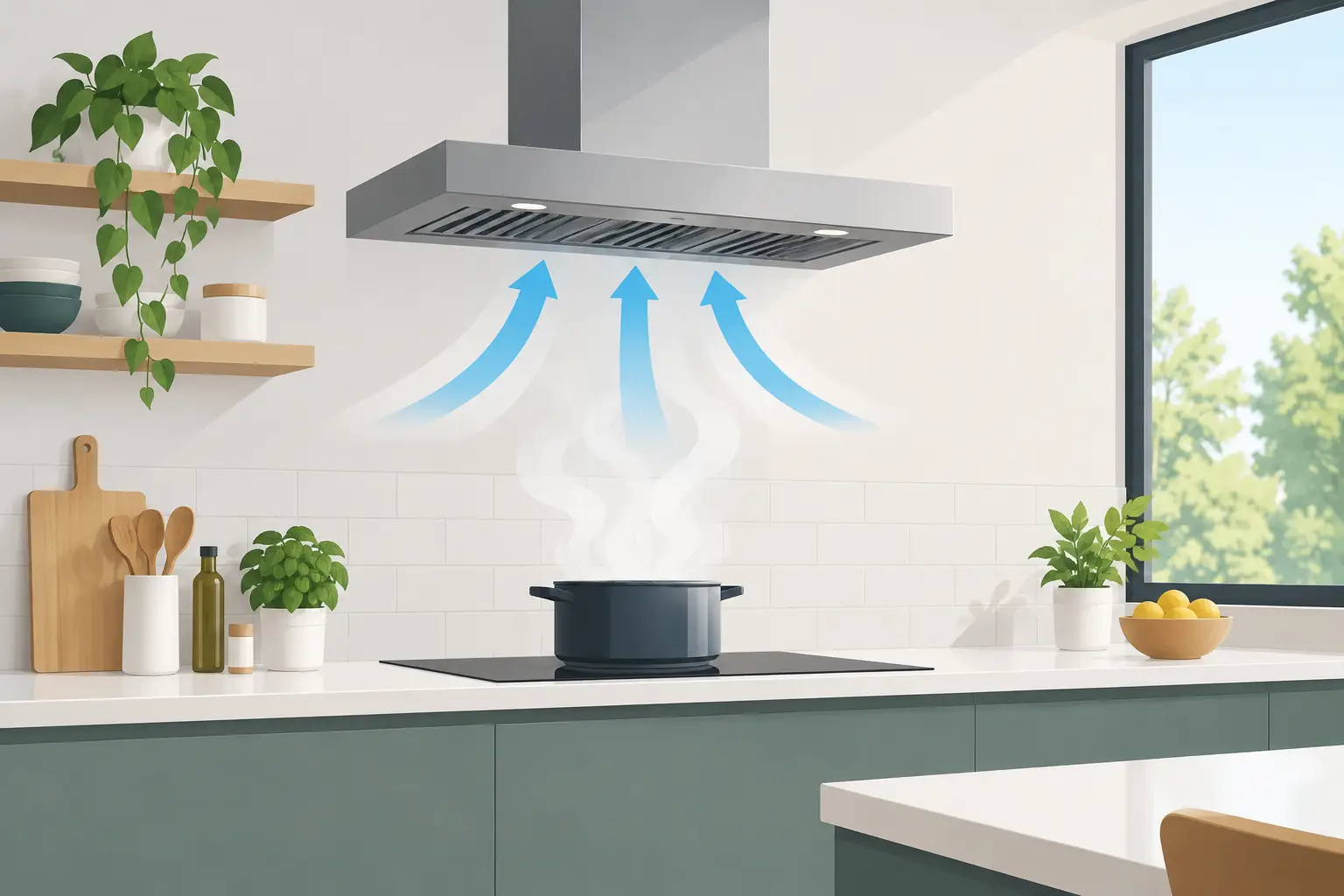
A pan of garlic sizzling in oil can make a home feel welcoming. The lingering odor, haze on cabinet doors, and heat that follows are less inviting. That is why kitchen ventilation is important: it helps clear the air while you cook, so the moments shared around food remain comfortable long after the meal is served.
For homeowners who cook often, ventilation is not simply an extra feature above the stove. It is part of a kitchen designed to perform well. For restaurants and other busy foodservice spaces, it is even more central to safety, workflow, and the ability to maintain a pleasant environment for staff and guests.
Why Kitchen Ventilation Is Important for Everyday Cooking
Cooking changes the air in a room. Frying, searing, grilling, boiling, and even baking can release heat, steam, grease particles, and odors. Gas cooking may also produce combustion byproducts. Without a way to capture and move those airborne materials away from the cooking surface, they spread through the kitchen and into nearby rooms.
A properly selected range hood or ventilation system helps manage that buildup at its source. When the hood is switched on at the start of cooking, it captures rising steam and fumes before they settle on counters, walls, upholstery, and fabrics. The result is a fresher kitchen that feels more enjoyable to use, especially in open-plan homes where the kitchen connects directly to living and dining areas.
Ventilation also supports better comfort at the cooktop. High-heat cooking can quickly make a small kitchen feel warm and heavy. Removing excess heat and moisture helps the space stay more pleasant, allowing the cook to focus on timing, flavor, and the people gathered nearby.
Cleaner Air Means a More Comfortable Home
Good ventilation does more than reduce cooking smells. It helps limit the concentration of particles and moisture created during meal preparation. This matters most for families who prepare several meals a day, enjoy wok cooking, or regularly use high-heat methods such as pan-frying and searing.
Moisture deserves particular attention. Steam from soups, pasta, rice, and simmering dishes may seem harmless, but repeated exposure can create condensation on windows, cabinetry, and surrounding surfaces. Over time, excess humidity may contribute to peeling finishes, warped materials, or musty odors in poorly ventilated spaces.
A range hood does not replace overall home ventilation, nor does it solve every air-quality concern on its own. Its role is focused and valuable: capture contaminants where cooking happens. For the strongest results, use the hood consistently, keep filters clean, and make sure the unit is appropriately sized for the cooktop and the way you cook.
Cooking Style Affects the Ventilation You Need
There is no one setting or hood style that suits every kitchen. Someone who reheats simple meals a few times a week has different needs from a family that cooks stir-fries nightly. A powerful gas hob, griddle, or commercial-style range creates more heat and airborne grease than a compact electric cooktop used for light cooking.
This is where choosing based on cooking habits matters. Wider cooktops generally need hoods that cover the full cooking surface. Frequent high-heat cooking may call for stronger airflow and more effective grease filtration. In smaller kitchens, a quieter unit can make daily use more appealing, because ventilation only works when people are willing to turn it on.
Ducted hoods typically move captured air outdoors, making them a strong choice where installation allows. Ductless or recirculating hoods filter the air and return it to the room, which can be practical in apartments or kitchens where exterior ducting is not possible. The trade-off is that recirculating models require timely filter replacement and generally do not remove moisture and heat as effectively as an exterior-vented system.
Protecting the Kitchen You Invested In
Grease is not always visible when it first lands. A fine film can gradually collect on upper cabinets, backsplash tile, light fixtures, and painted walls. It attracts dust, makes surfaces harder to clean, and can dull the polished look of a modern kitchen.
Effective ventilation helps protect the finishes that make a kitchen feel refined. It reduces the amount of grease settling beyond the cooktop, which can simplify routine cleaning and help cabinetry, hardware, and wall treatments retain their appearance. For homeowners investing in contemporary appliances and carefully chosen materials, that protection is a practical part of preserving the room’s value.
In commercial kitchens, the stakes are higher. Heavy grease accumulation can affect equipment performance, increase cleaning demands, and create avoidable safety concerns. A ventilation setup suited to the volume and style of food production supports a more organized back-of-house operation, where teams can work with greater consistency through busy service periods.
Ventilation Supports Safer, More Focused Cooking
A clear, comfortable cooking zone is easier to work in. Steam that fogs glasses or heat that builds around the range can make food preparation less pleasant and less precise. Turning on ventilation before the pan gets hot helps keep the space clearer from the beginning.
For gas cooktops, ventilation is especially useful because it helps remove byproducts from combustion along with cooking smoke and grease. While the right solution depends on the kitchen layout, local building requirements, and appliance type, the principle remains simple: air created during cooking needs a path out of the immediate workspace.
A hood can also improve visibility around the cooktop. Many models include task lighting that illuminates pots and pans, helping cooks monitor color, boil levels, and cooking progress more easily. It is a small design detail with a meaningful everyday benefit, particularly when preparing dinner after sunset or working in kitchens with limited overhead lighting.
How to Get Better Results From Your Range Hood
Even a well-designed hood will underperform if it is used only after smoke fills the room. Start it a few minutes before cooking and leave it running briefly after the burners or elements are off. This gives the system time to establish airflow and capture lingering steam or odors.
Use the fan speed that matches the task. A lower setting may be enough for simmering or warming food, while frying, grilling, and high-heat searing usually need more extraction. Running the fan at maximum for every task is not always necessary and may create extra noise, but using too little power during intense cooking defeats the purpose.
Maintenance matters just as much as daily use. Metal grease filters should be cleaned according to the manufacturer’s guidance, particularly in kitchens where frying is frequent. Carbon filters in recirculating hoods need replacement on schedule. When filters are clogged, airflow drops and odors or grease are more likely to remain in the room.
For households choosing a new appliance, look beyond appearance alone. A range hood should complement the kitchen’s design, but it should also match the cooktop width, installation conditions, and cooking volume. VEES kitchen solutions are designed around this balance of everyday performance, safety-focused function, and clean modern style.
A Better Kitchen Experience Starts Above the Cooktop
The best kitchens make cooking feel easier, whether you are preparing a quick weekday meal, hosting friends, or managing a demanding professional service. Ventilation quietly supports all of it by controlling what cooking leaves behind: heat, moisture, grease, and odors.
Before your next meal, switch on the hood as you reach for the pan. It is a simple habit that helps protect your kitchen, improve comfort, and keep the focus where it belongs – on good food and the moments of sharing that follow.