
Cart 0

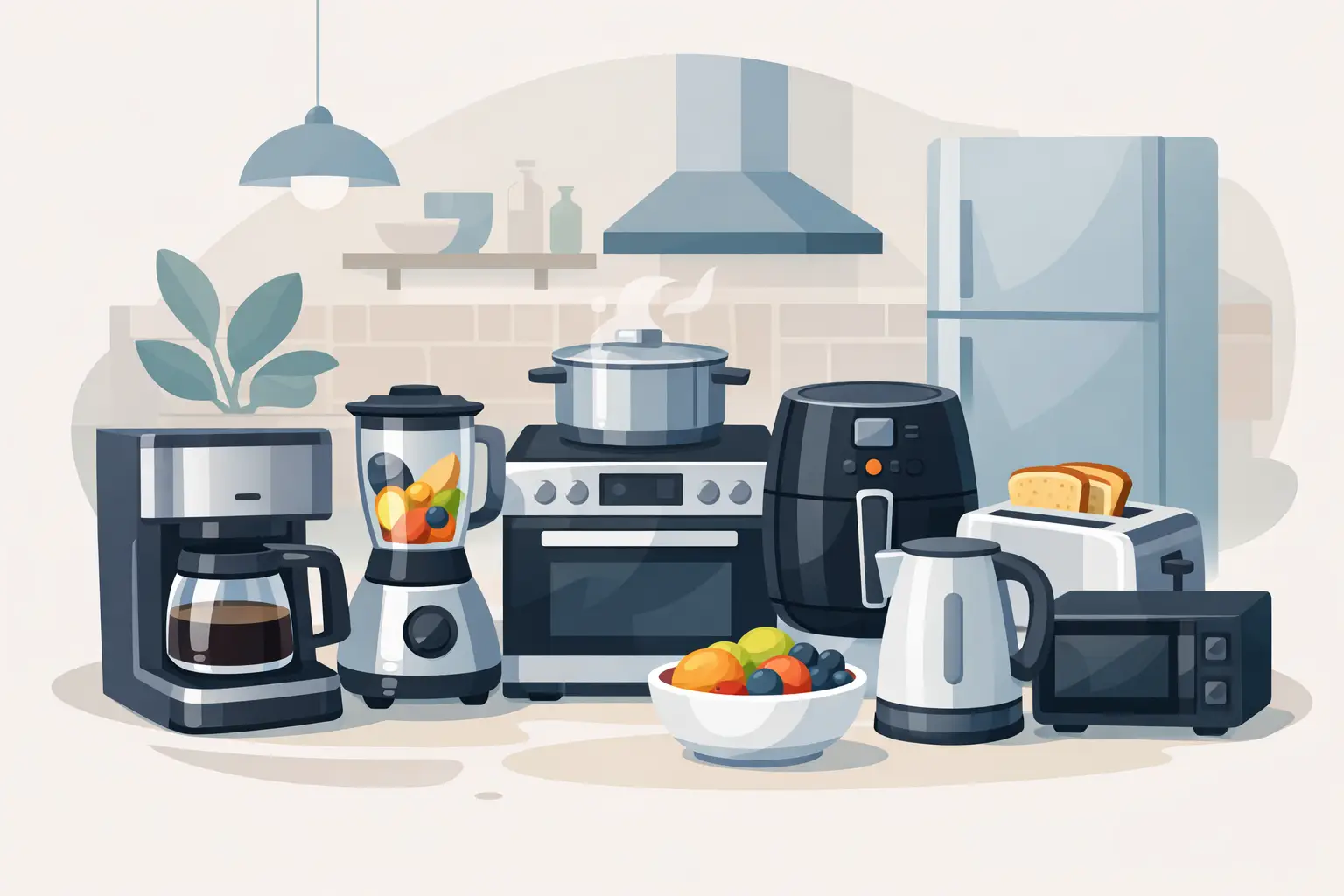
A beautiful kitchen can still feel frustrating when the appliances do not match the way you actually cook. Maybe the hood is too weak for daily stir-fry, the oven takes too long to heat, or the cooktop looks sleek but gives you too little room for family meals. A smart home kitchen appliance buying guide starts there – with your real routine, not just showroom appeal.
The best appliance decisions are not always about buying the biggest model or the one with the longest feature list. They are about creating a kitchen that feels easier to use every day. For some households, that means faster weeknight cooking and simpler cleanup. For others, it means dependable performance for entertaining, meal prep, or recipes that demand more precision.
Start with how your kitchen works
Before comparing finishes, controls, or power levels, look at how your kitchen functions from morning to night. A couple who cooks lightly a few times a week needs something very different from a large family preparing multiple meals a day. If you regularly pan-fry, boil soups, and cook several dishes at once, capacity and ventilation matter more than decorative extras.
Space should shape your choices just as much as cooking habits. A compact kitchen benefits from appliances that save room and reduce clutter, while a larger layout gives you more freedom to prioritize capacity, visual balance, and built-in coordination. Think about traffic flow too. If the oven door blocks a walkway or the hood sits too low over the cooktop, the kitchen may look modern but feel awkward in use.
This is also the stage where utility setup matters. Gas, electric, and ventilation requirements should never be an afterthought. The right appliance is one that fits your kitchen safely and efficiently without forcing expensive changes you did not plan for.
A home kitchen appliance buying guide for core essentials
Most kitchens revolve around three major zones: cooking, baking or roasting, and ventilation. Get these right, and the rest of the kitchen starts to feel more capable.
Choosing the right cooktop or hob
Your cooktop is where speed, control, and daily convenience meet. If you want responsive heat and enjoy hands-on cooking, a gas hob often feels natural. It gives visible flame control and works especially well for high-heat cooking styles. For many home cooks, that direct response makes everything from quick breakfasts to dinner prep feel more intuitive.
An electric hob can be a strong choice if you prefer a streamlined look and easy surface cleaning. It often suits modern kitchens where clean lines matter as much as performance. The trade-off is that some cooks find heat adjustments less immediate than gas, so your cooking style should lead the decision.
Burner layout matters more than many buyers expect. Four burners may be enough for a smaller household, but larger families or enthusiastic home cooks often appreciate more usable spacing between pots and pans. A crowded surface can slow you down just when you want the kitchen to feel efficient.
Picking an oven that fits your routine
An oven should match what you actually make, not what you might bake once in December. If your meals lean toward roasted vegetables, tray bakes, casseroles, and weekend baking, oven consistency matters more than an overloaded control panel. Even heating and reliable temperature performance usually pay off more than niche functions you will rarely touch.
Size deserves careful thought. A larger oven can be a great advantage for entertaining or batch cooking, but it also takes more room and may use more energy than necessary for a smaller household. If your kitchen serves daily family meals and occasional gatherings, a mid-size oven with practical settings often delivers the best balance.
Ease of use also counts. Clear controls, visible interior lighting, sturdy racks, and doors that feel solid all affect the experience over time. A good oven should feel dependable every time you reach for it, not complicated.
Why ventilation should never be an afterthought
Range hoods are often treated like finishing pieces, but they do serious work. In many homes, especially those that cook with oil, spices, or high heat, a strong hood helps remove grease, smoke, and odors before they settle into the kitchen. This is not just about comfort. It also helps protect cabinets, walls, and the overall freshness of the space.
When choosing a hood, power should match cooking intensity. If you cook lightly, a modest model may be enough. If your kitchen sees frequent frying, searing, or multiple dishes at once, stronger extraction becomes much more important. Noise is another factor worth checking. A hood that performs well but sounds overwhelming can make the kitchen less enjoyable to use.
Think beyond features and focus on everyday benefits
Features look impressive on paper, but the better question is what they change in your day. Fast heating saves time when dinner starts late. Durable surfaces make cleanup easier after a busy meal. Safety functions bring peace of mind in family homes. These are the details that turn an appliance from a purchase into a practical upgrade.
Design matters too, but not only in the visual sense. Good design means the appliance looks modern and works naturally in the space. Controls should be easy to reach. Handles should feel secure. Surfaces should be simple to wipe down. A refined kitchen is not just beautiful. It supports smoother cooking and more enjoyable moments of sharing.
For many buyers, this is where a trusted appliance brand stands out. VEES, for example, has built its reputation around combining performance, safety, durability, and modern style in ways that support both busy households and demanding kitchen environments.
Budget wisely with a long view
A lower price can be tempting, especially during a full kitchen setup, but value is not the same as the cheapest upfront cost. An appliance that struggles with daily use, wears quickly, or creates repeated maintenance issues may cost more over time. A better buying approach is to set priorities and invest where performance matters most.
If cooking is central to your household, your cooktop and hood may deserve a bigger share of the budget. If you bake often or host family gatherings, the oven may be the smarter place to spend more. On the other hand, if you cook simply and infrequently, you may be better served by clean, dependable essentials rather than premium extras.
Try to think in terms of frequency and frustration. Where does your current kitchen slow you down? Which appliance would make life noticeably easier every week? Those answers usually point to the best use of your budget.
What to check before you buy
Measurements should always come first. Confirm width, depth, height, door clearance, and surrounding ventilation space. This sounds basic, but it prevents some of the most expensive mistakes. A perfect appliance on paper is the wrong choice if installation becomes complicated.
Next, consider maintenance. Stainless finishes, glass surfaces, burner designs, and filter systems all affect how much effort the appliance needs after regular use. If you want a kitchen that stays polished without constant attention, choose materials and designs that support easy care.
Warranty and after-sales support also deserve a close look. Good support adds confidence, especially for major appliances that are expected to serve for years. The buying experience should not end at checkout. Reliable service, clear warranty terms, and accessible assistance all matter.
Common buying mistakes to avoid
One of the biggest mistakes is buying for appearance alone. A sleek finish and minimalist profile can be appealing, but performance should lead. Another common problem is overbuying. A feature-heavy appliance may sound exciting, yet many households end up paying for functions they never use.
Undervaluing ventilation is another issue, especially in kitchens where cooking is frequent and flavorful. And finally, many buyers forget to match appliance choice with household growth. A kitchen that works for two people today may feel limited once family routines change, entertaining becomes more frequent, or home cooking increases.
Build a kitchen that feels easier every day
The best home kitchen appliance buying guide does not push every buyer toward the same answer. It helps you choose appliances that suit your space, your cooking habits, and the life you want your kitchen to support. That might mean a high-performance gas hob, a reliable oven with practical capacity, or a powerful hood that keeps the room fresh and comfortable.
A well-chosen appliance does more than cook food. It saves time on busy nights, supports better results, and makes the kitchen feel more welcoming to use. Choose with clarity, and your kitchen will not just look complete. It will work beautifully for the moments that matter most.