
Cart 0

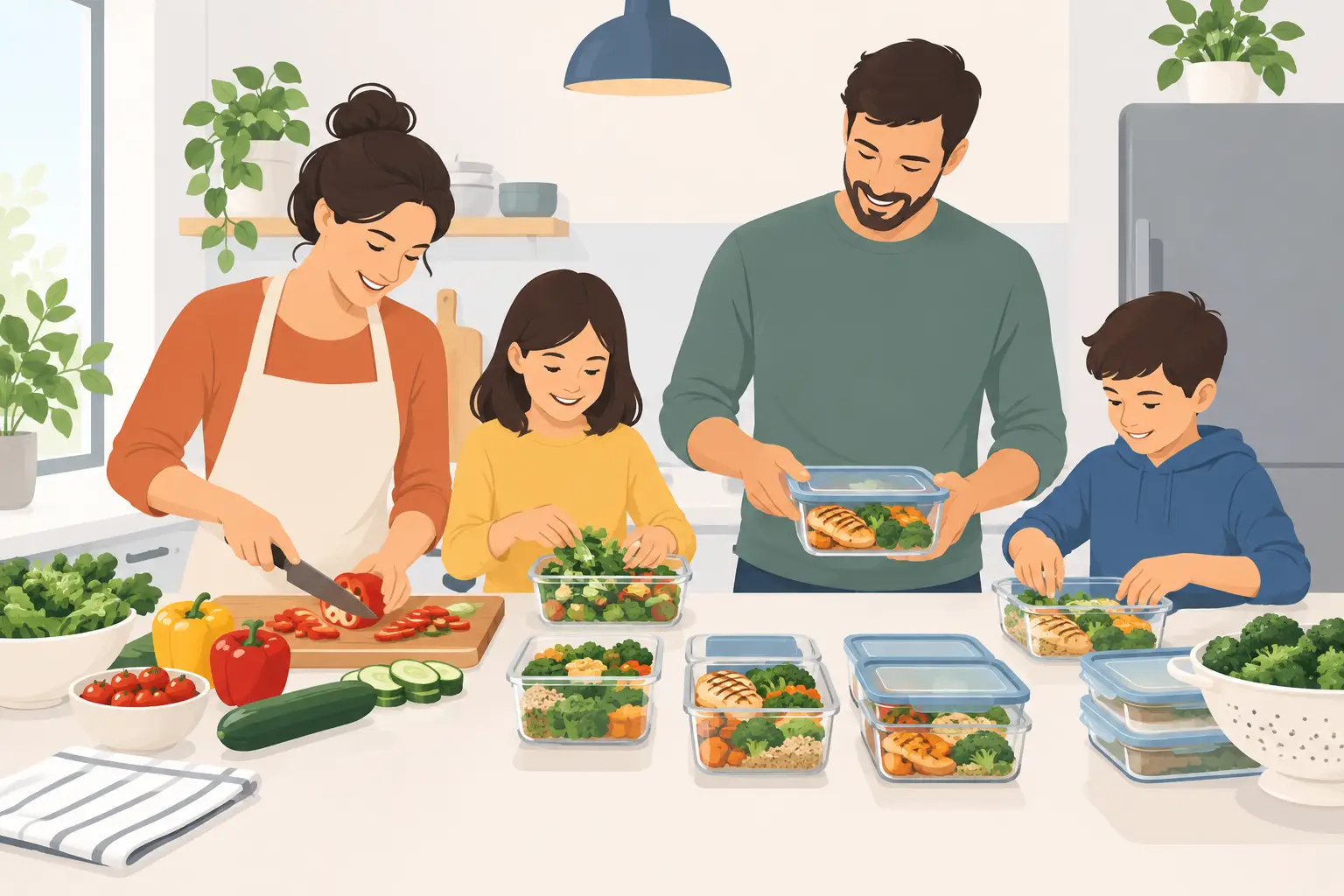
At 6:15 p.m., the question is rarely, “What sounds delicious?” It is usually, “What can be on the table before everyone gets hungry?” A practical family meal prep guide is not about spending an entire Sunday surrounded by identical containers. It is about creating a calmer kitchen rhythm – one that turns a few well-planned cooking sessions into more relaxed meals, better use of groceries, and more moments of sharing.
For busy households, the best meal prep system is flexible enough to handle changing schedules, picky eaters, leftovers, and the occasional takeout night. The goal is not perfection. It is having dependable building blocks ready when life gets busy.
Start With Your Family’s Real Week
Meal prep works best when it follows your schedule instead of fighting it. Before choosing recipes, look at the week ahead. Identify the evenings when everyone eats at home, the nights with sports practice or late meetings, and the one day when you have enough time to cook a little more.
Plan only three or four complete dinners if your family tends to eat leftovers, has changing plans, or enjoys dining out once a week. Preparing seven separate dinners can sound efficient, but it often creates waste and pressure. A better approach is to make versatile components that can become different meals.
For example, roasted chicken can appear in grain bowls on Monday, tacos on Wednesday, and a quick soup on Friday. Cooked rice can support stir-fry, fried rice, or a simple bowl with vegetables and a fried egg. This keeps meals familiar while avoiding the feeling of eating the same dish repeatedly.
Build Around One Protein, One Vegetable, One Easy Base
A reliable dinner does not need a complicated formula. Choose a protein, a vegetable, and a base such as rice, potatoes, pasta, tortillas, or bread. Then change the seasoning, sauce, or finishing touch to give each meal its own character.
This approach also makes family cooking easier. A mild protein and plain grain can be served simply for younger children, while adults can add chili, herbs, citrus, or a bolder sauce at the table. You are preparing one meal with room for individual preferences, rather than making separate dinners.
Plan a Short, Useful Grocery List
The most effective grocery list begins in the refrigerator and pantry. Check what needs to be used first, then plan meals around those ingredients. That half bag of spinach, unopened yogurt, or extra bell peppers may already solve part of the week’s menu.
Shop with a purpose, but leave space for convenience. Frozen vegetables, canned beans, pre-washed greens, and rotisserie chicken can be smart choices when time is limited. They are not shortcuts in a negative sense. They are tools for keeping homemade meals realistic on demanding days.
A useful grocery list often includes four groups of items:
- Proteins such as chicken, fish, eggs, tofu, beans, or ground turkey
- Vegetables that work raw, roasted, sautéed, or in soups
- Flexible bases including grains, potatoes, pasta, and tortillas
- Flavor boosters such as garlic, onions, herbs, cheese, broth, sauces, and citrus
Choose ingredients that overlap across meals. Buying a different specialty item for every recipe can make preparation expensive and leave your refrigerator crowded with leftovers that never get used.
Cook Components, Not a Week of Finished Plates
For many families, component prep is more useful than fully portioned meals. A container of cooked quinoa, roasted vegetables, washed salad greens, and seasoned protein gives you options throughout the week. It also keeps texture and flavor fresher than reheating a fully assembled dish several days later.
Set aside a focused prep session of 60 to 90 minutes. Start with foods that take the longest: roast vegetables, bake chicken, simmer grains, or prepare a soup. While those cook, wash produce, make a dressing, chop onions, or portion snacks. Using the oven, cooktop, and countertop space with intention reduces idle time and keeps the kitchen organized.
A dependable cooking setup makes this process more enjoyable. An oven that heats consistently helps vegetables caramelize evenly, while a responsive cooktop gives you better control over sauces, soups, and quick skillet meals. VEES kitchen appliances are designed around this kind of everyday precision, helping home cooks move from preparation to serving with confidence.
Choose Recipes That Reheat Well
Not every recipe is built for meal prep. Delicate fried foods may lose their crispness, and overdressed salads can become soggy. Instead, favor dishes that hold their quality for several days: chili, baked pasta, curries, soups, roasted meats, cooked beans, and sturdy vegetables.
Keep components that need crispness separate. Store salad dressing in a small container, pack crunchy toppings apart from grain bowls, and wait to add fresh herbs until serving. These small decisions can make a reheated meal feel much more like a freshly prepared dinner.
Make Storage Part of the Cooking Process
Meal prep is only as useful as its storage system. Let hot food cool slightly before refrigerating it, then place it in shallow containers so it chills more efficiently. Label containers with the meal and date when possible, especially if your refrigerator gets busy.
Clear containers are helpful because they make food visible. If family members can see prepared chicken, sliced vegetables, and cooked rice at a glance, they are more likely to use them. Place ready-to-eat items at eye level and raw ingredients lower down to encourage safer, more intuitive kitchen habits.
Most prepared foods are best enjoyed within three to four days when refrigerated properly. If you are making extra portions for later in the week, freeze them early rather than waiting until they are close to their limit. Soups, sauces, cooked beans, and casseroles are especially freezer-friendly.
Create Fast Assembly Nights
The real reward of prep arrives on the evenings when cooking time is short. Instead of beginning from zero, you can assemble a meal in 15 to 20 minutes. Reheat a prepared protein, warm a base, add fresh vegetables, and finish with a sauce or topping.
Try giving each night a loose theme. Taco night can use pre-cooked chicken or beans with tortillas and sliced vegetables. A bowl night can combine rice, roasted vegetables, eggs, and a simple sauce. Pasta night can start with a prepared tomato sauce, then add greens and a quick protein.
These are not rigid meal plans. They are decision-saving patterns. When everyone is tired, a familiar framework is often more valuable than an ambitious new recipe.
Let Family Members Join In
Family meal prep can also be a simple way to share kitchen responsibility. Children can wash produce, portion fruit, stir sauces, or choose a vegetable for the week. Older children and teens can help assemble lunches, cook grains, or learn how to safely reheat a meal.
Involving everyone does more than lighten the workload. It helps build confidence around food and turns preparation into part of family life rather than a task one person carries alone. Even a small contribution can make dinner feel more personal.
Know When to Keep It Simple
There will be weeks when a full prep session is not realistic. On those weeks, prepare just one thing: a pot of rice, a tray of vegetables, a large soup, or a batch of breakfast egg muffins. One prepared element still makes the next meal easier.
It also helps to have a short list of emergency dinners. Keep pantry pasta, canned beans, broth, frozen vegetables, eggs, and a favorite sauce on hand. These staples can become a satisfying meal without an extra trip to the store.
The strongest meal prep routine is the one your household can repeat. Begin with a few components, notice what gets eaten, and adjust your plan each week. Soon, the kitchen becomes less about rushing to solve dinner and more about making space for the people gathered around it.