
Cart 0

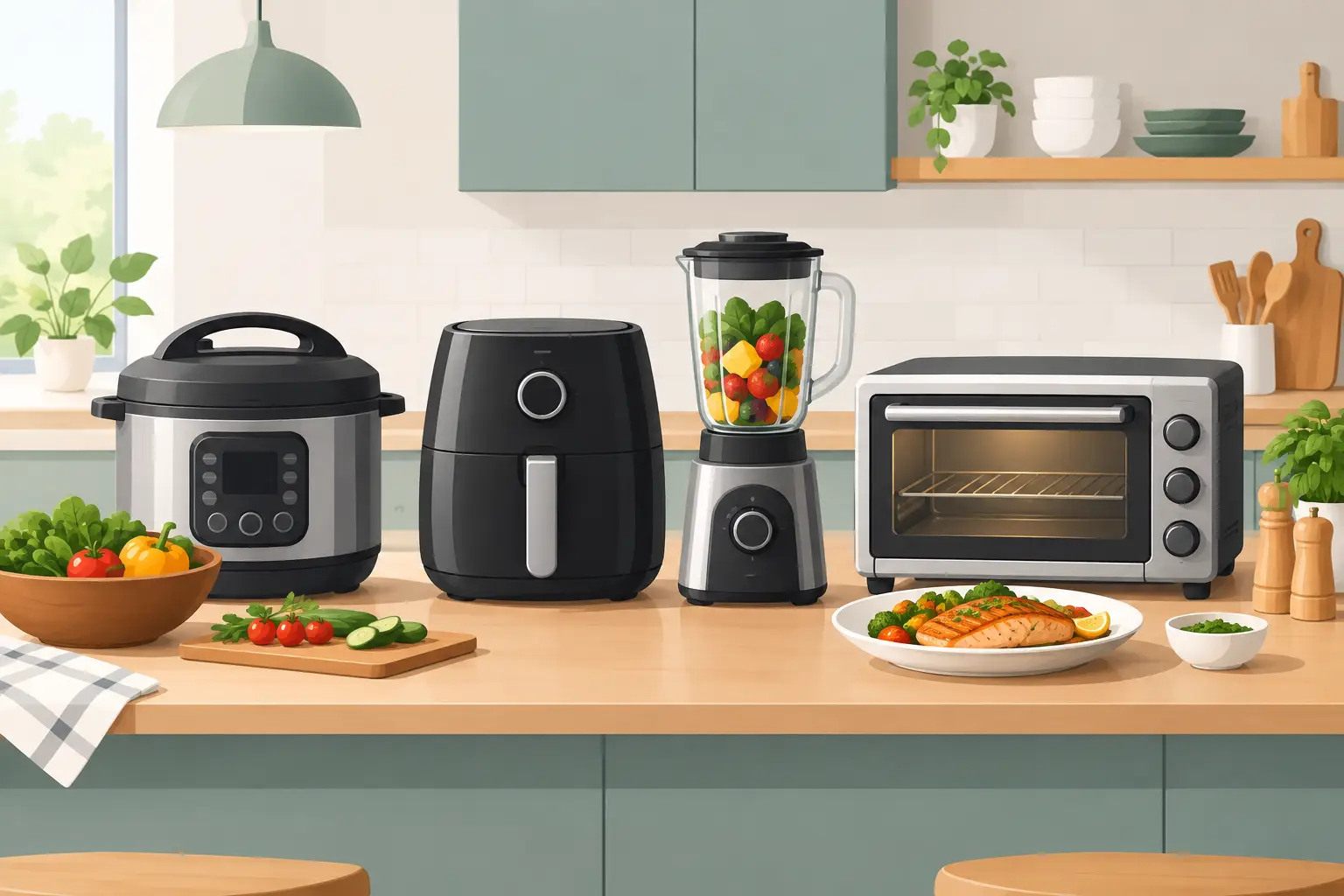
A weeknight dinner can expose every weak point in a kitchen. One burner heats unevenly, steam fills the room, the oven takes too long to recover, and a simple family meal becomes a sequence of compromises. The right cooking appliances change that rhythm. They help meals move from preparation to plate with greater control, less cleanup, and more room to enjoy the people gathered around the table.
For homeowners, the best kitchen is not necessarily the one with the most features. It is the one that supports how the household actually cooks: quick breakfasts, packed lunches, generous weekend meals, and celebrations that bring everyone closer. For restaurants and foodservice teams, the same principle applies at a higher pace. Equipment must stand up to repeated use, protect consistency, and keep the kitchen moving when orders arrive all at once.
Start With the Way You Cook
A thoughtful appliance plan begins with daily habits, not a showroom checklist. Consider how many people cook at once, what meals appear most often, and where time is usually lost. A household that regularly stir-fries, simmers soups, and prepares several dishes for family dinner needs a different setup than one focused on baking, grilling, and simple one-pan meals.
Space matters just as much. A compact kitchen benefits from appliances that deliver strong performance without overwhelming the counter or work area. A larger kitchen may have room for a wider hob, a powerful range hood, and an oven that handles several dishes at once. In a commercial setting, layout becomes part of productivity: cooks need clear access to heat, prep surfaces, ventilation, and safe pathways.
The goal is not to add appliances for their own sake. It is to create a kitchen where each piece earns its place.
The Core Cooking Appliances for a Capable Kitchen
A hob, oven, cooker, and range hood form the foundation of many modern kitchens. Each has a distinct role, but their performance is closely connected. A powerful hob is more useful when ventilation keeps the air comfortable. An oven becomes more versatile when the surrounding workspace makes loading, checking, and serving straightforward.
Gas hobs for responsive control
Gas hobs remain a favorite for cooks who want immediate, visible heat adjustment. The flame responds quickly when a sauce needs a gentle simmer or a wok needs intense heat. This hands-on control is especially valuable for dishes that require fast changes in temperature.
The trade-off is maintenance. Burner caps, grates, and the surface around them need regular cleaning to maintain a polished appearance and dependable ignition. Safety features and solid construction should be priorities, particularly in homes with active families or kitchens that cook frequently.
Electric hobs for clean, modern cooking
Electric hobs bring a streamlined look to the kitchen and can make surface cleaning simpler. Their smooth, refined appearance works beautifully in contemporary spaces where the kitchen is both a practical room and a place for sharing meals with guests.
Heat response varies by model and technology, so cooks who rely on rapid temperature shifts should choose carefully. For many households, the benefit is a clean, elegant cooking surface with dependable everyday performance. The right choice depends on cooking style, available power, and the look of the kitchen as a whole.
Ovens for flexibility beyond the stovetop
An oven expands what a kitchen can do. Roasted vegetables, baked pasta, bread, desserts, and slow-cooked dishes all become easier to manage when heat is consistent and capacity suits the household. For families who entertain, oven space can be the difference between serving one dish at a time and bringing a complete meal to the table together.
Look beyond capacity alone. Easy-to-read controls, reliable temperature performance, practical rack positions, and a door that feels secure in daily use all shape the experience. In commercial kitchens, durability and recovery time matter even more, because one delayed batch can affect an entire service period.
Electric cookers for efficient daily meals
Electric cookers are often the quiet workhorses of a busy kitchen. They support practical tasks such as rice, soups, porridge, stews, and one-pot meals while freeing up the hob for other dishes. For time-pressed households, that extra flexibility makes dinner preparation feel less crowded.
A quality electric cooker should be simple to operate, easy to clean, and built for repeat use. It is also worth choosing a capacity that matches real portions. A cooker that is too small creates extra batches; one that is excessively large can take up valuable space for little return.
Range hoods for a fresher kitchen
A range hood does more than clear visible smoke. It helps manage grease, steam, and lingering food odors, making the kitchen more pleasant during and after cooking. This is particularly helpful in open-plan homes, where a fragrant stir-fry should be remembered for its flavor, not for its aroma staying in the curtains.
Ventilation should match the cooking load. Frequent high-heat cooking, frying, or commercial use calls for stronger extraction and a maintenance plan for filters. Quiet operation is also worth considering in home kitchens, where conversation is part of the cooking experience.
Choose Performance That Fits the Pace
The strongest purchasing decision balances convenience with long-term value. Fast cooking is appealing, but speed should not come at the cost of safety, control, or construction quality. A beautiful appliance may elevate the room, yet it must also withstand heat, spills, frequent cleaning, and the demands of real meals.
For home users, prioritize features that remove friction from routine cooking. Clear controls, stable cookware support, easy-clean finishes, dependable ignition, and sensible safety protection can make a larger difference than a long list of rarely used settings. A well-designed appliance should feel intuitive enough that every member of the household can use it confidently.
For professional users, the stakes are higher. Equipment must support volume, consistency, and fast turnaround without creating unnecessary bottlenecks. Commercial operators should assess daily output, peak-hour workload, available utilities, ventilation requirements, and service access before selecting equipment. The lowest initial price is not always the lower-cost choice if downtime, repairs, or slow performance affect the business later.
Design a Kitchen That Works Together
The most satisfying kitchens feel coordinated because every appliance supports the next step. Place the hob where ingredients can be prepped nearby. Keep oven access clear for hot trays. Ensure the range hood is properly sized and positioned above the cooking zone. Leave enough landing space for cookware, serving dishes, and the inevitable moments when several hands are helping at once.
Visual harmony has practical value, too. When appliances share a modern, cohesive finish, the kitchen feels calmer and easier to keep organized. This matters in homes where the kitchen is a social center and in restaurants where visible equipment contributes to a professional impression.
VEES approaches this balance through kitchen solutions designed around fast cooking, durable construction, safety-focused engineering, and contemporary style. The best result is not a kitchen that looks impressive only on installation day. It is one that continues to support everyday life, meal after meal.
Care Protects Performance
Even excellent appliances need consistent care. Wipe down hob surfaces after they cool, clear food residue from burner areas, clean oven spills before they become baked on, and maintain range hood filters according to use. Small routines preserve appearance, but more importantly, they help appliances perform as intended.
Pay attention to changes in normal operation. Uneven flames, unusual noises, weak extraction, inconsistent heating, or damaged seals deserve prompt attention rather than a temporary workaround. For commercial teams, scheduled maintenance is a practical investment in continuity and food quality.
A kitchen should give people confidence: confidence to cook a new recipe on a quiet Tuesday, feed a full table on a holiday, or deliver dependable dishes through a demanding service. Choose appliances that respect that moment, then let the kitchen do what it is meant to do – make more space for good food and moments of sharing.