
Cart 0

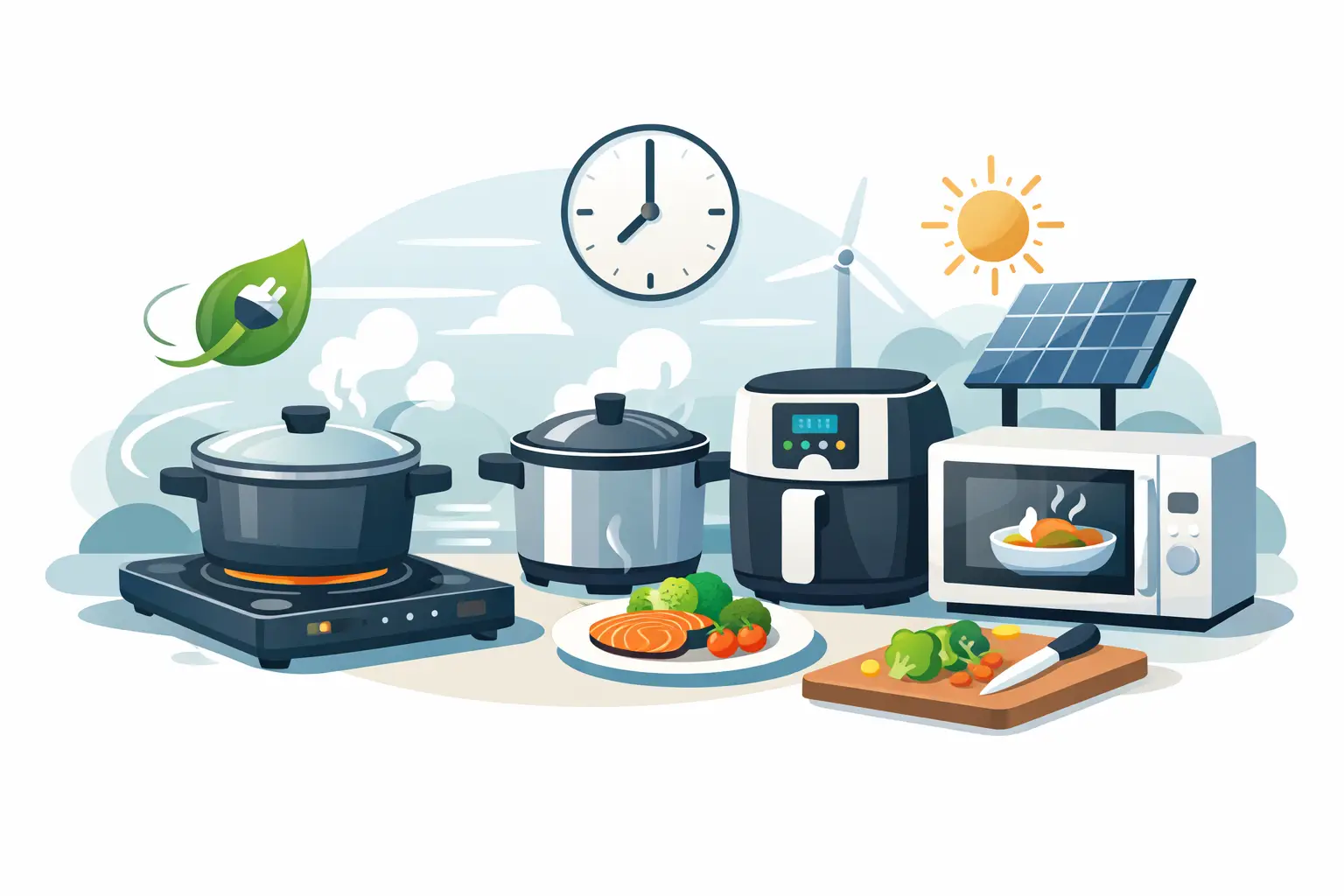
The weeknight meal does not need to begin with every burner running, a hot oven waiting empty, and a kitchen working harder than necessary. Energy efficient cooking starts with a better approach: match the appliance, pan, heat level, and cooking method to the food in front of you. The result is not only lower energy use. It is faster preparation, more dependable results, and more time around the table.
For busy households, that may mean boiling water in a covered pot instead of an oversized pan. For a restaurant team, it may mean organizing the cooking line so equipment is heated only when service requires it. Small decisions create a kitchen that feels calmer, more precise, and built for everyday performance.
Energy Efficient Cooking Begins Before the Heat
Efficiency is often decided before a flame is lit or an electric hob is switched on. Start by choosing the right appliance for the quantity and type of food you are making. Heating a full-size oven for a small tray of vegetables can make sense when you are cooking several dishes at once, but it is rarely the best choice for one portion. A countertop cooker, covered skillet, or smaller cooking zone may deliver the same meal with less time and energy.
Plan meals around shared cooking temperatures when possible. If the oven is already on for roasted chicken, use the remaining space for vegetables, baked potatoes, or tomorrow’s lunch. This approach makes each minute of preheating count. It also reduces the stop-start pattern that can slow down a busy family kitchen.
Ingredient preparation matters too. Cut vegetables into even pieces so they cook at the same rate. Thaw frozen ingredients safely before cooking when the recipe allows. Measure sauces and seasonings before heating the pan. When food is ready to go, the appliance spends less time idling at temperature while you search for the next ingredient.
Choose Heat That Fits the Pan
One of the simplest habits in energy efficient cooking is using cookware that matches the cooking zone. A small pot on a large burner wastes heat around the sides. A pan that is too large for the zone may cook unevenly, encouraging you to turn up the heat and extend cooking time.
Use flat-bottomed cookware that sits securely on the hob. Good contact supports even heat transfer, especially on electric cooking surfaces. On gas hobs, adjust the flame so it stays beneath the base of the pan rather than climbing up its sides. A large flame may look powerful, but heat escaping around the cookware adds little value to the food.
The condition of the pan also affects performance. Warped bases, loose handles, and damaged lids make cooking less controlled. A well-built pan with a close-fitting lid helps retain heat and moisture, allowing many foods to cook at a lower setting. That is particularly useful for rice, soups, braises, and sauces, where a steady simmer usually delivers better flavor than aggressive boiling.
Let Lids, Residual Heat, and Timing Do Their Work
A lid is one of the most practical tools in any kitchen. It holds in heat, speeds up boiling, and reduces the energy needed to maintain temperature. Cover pots when cooking pasta, grains, vegetables, and soups, leaving space only when a recipe needs moisture to evaporate.
Once a pan or oven has reached temperature, consider how long the food truly needs active heat. Electric hobs and ovens often retain useful heat after they are turned off. For dishes such as casseroles, roasted vegetables, or gently finished sauces, switching off a few minutes early can be enough to complete the cooking process. This depends on the appliance, cookware, and recipe, so use it first with foods where timing is flexible rather than with delicate proteins that need exact doneness.
Avoid opening the oven door repeatedly. Each peek releases heat and asks the oven to recover. Use the window and interior light where available, and rely on a timer instead of checking by habit. In a commercial kitchen, this same discipline helps protect consistency during a busy service period.
Use the Oven With a Clear Purpose
Ovens are exceptionally versatile, but they use more energy than smaller appliances because they heat a larger space. The best strategy is not to avoid the oven. It is to use it deliberately.
Cook full loads when practical. Batch-roasting vegetables, baking several portions, or preparing family meals for the next day can turn one oven cycle into several useful meals. Keep enough air around trays for heat to circulate, because overcrowding can lengthen cooking times and compromise browning.
Preheating deserves a balanced approach. Breads, pastries, and recipes that rely on quick, high heat benefit from a properly preheated oven. For longer-cooking dishes such as some casseroles and roasts, placing food into a cold oven may be suitable if the recipe is adjusted for the extra warm-up time. Follow the recipe when food safety or baking structure is critical.
Clean oven seals and make sure the door closes fully. Heat loss from a worn seal can quietly extend cooking times. Reliable appliances are designed to support controlled cooking, but regular care helps preserve that performance over years of family dinners and professional service.
Make Better Use of Modern Cooking Equipment
Modern kitchen equipment gives cooks more control over energy use without compromising the enjoyment of preparing food. Electric hobs offer responsive, contained cooking zones, while gas hobs provide visible flame control that many cooks appreciate for quick adjustments. The right choice depends on your kitchen setup, cooking style, and the demands of the people using it.
For households that cook frequently, appliance features such as precise power settings, timers, stable cookware support, and easy-clean surfaces reduce friction in the daily routine. In commercial settings, durable equipment and clear heat control can help teams repeat successful results across a long shift. Efficiency is not simply about consuming less energy. It is about avoiding wasted motion, inconsistent heat, and unnecessary recooking.
A well-designed range hood also plays a supporting role. Effective ventilation clears steam, grease, and odors, making the cooking area more comfortable and helping staff or family members stay focused. Use the fan setting that suits the task rather than automatically choosing maximum power for every meal.
VEES kitchen solutions are designed around this balance of performance, control, safety, and modern everyday convenience, helping cooks create more without making the kitchen work harder.
Cook in Ways That Save Time and Energy
Certain methods naturally make better use of heat. Stir-frying cooks small, evenly cut ingredients quickly in a hot pan. Steaming can prepare vegetables, fish, and dumplings with minimal added fat while preserving moisture. Pressure cooking, where appropriate, can reduce the time needed for beans, stews, and tougher cuts of meat.
These methods are not interchangeable. A crisp roasted finish needs dry oven heat, while a delicate fillet may benefit from gentler steaming. The smart choice is the one that delivers the texture and flavor you want with the least unnecessary cooking time.
Think about carryover cooking as well. Meat, fish, and dense baked dishes continue to cook briefly after leaving the heat. Removing food at the right moment can prevent overcooking and reduce the need to run the appliance longer than necessary. A food thermometer is especially useful when accuracy matters.
Keep Efficiency From Slipping Over Time
Grease, food residue, and blocked ventilation can affect how comfortably and effectively a kitchen operates. Wipe spills from hobs once surfaces are safely cool, clean range hood filters on a regular schedule, and check that oven racks and doors move properly. These tasks are simple, yet they protect both appearance and everyday performance.
For foodservice operators, establish opening and closing checks for key cooking equipment. Confirm that burners ignite cleanly, heating zones respond as expected, and ventilation is working before the rush begins. Preventive care is usually less disruptive than dealing with a problem in the middle of service.
The most efficient kitchen is not the one that asks you to compromise on a favorite meal. It is the one that gives every appliance, every pan, and every minute a clear role. Tonight, start with one change: put a lid on the pot, choose the right-sized cooking zone, and let a more thoughtful kitchen make room for the moments worth sharing.