
Cart 0

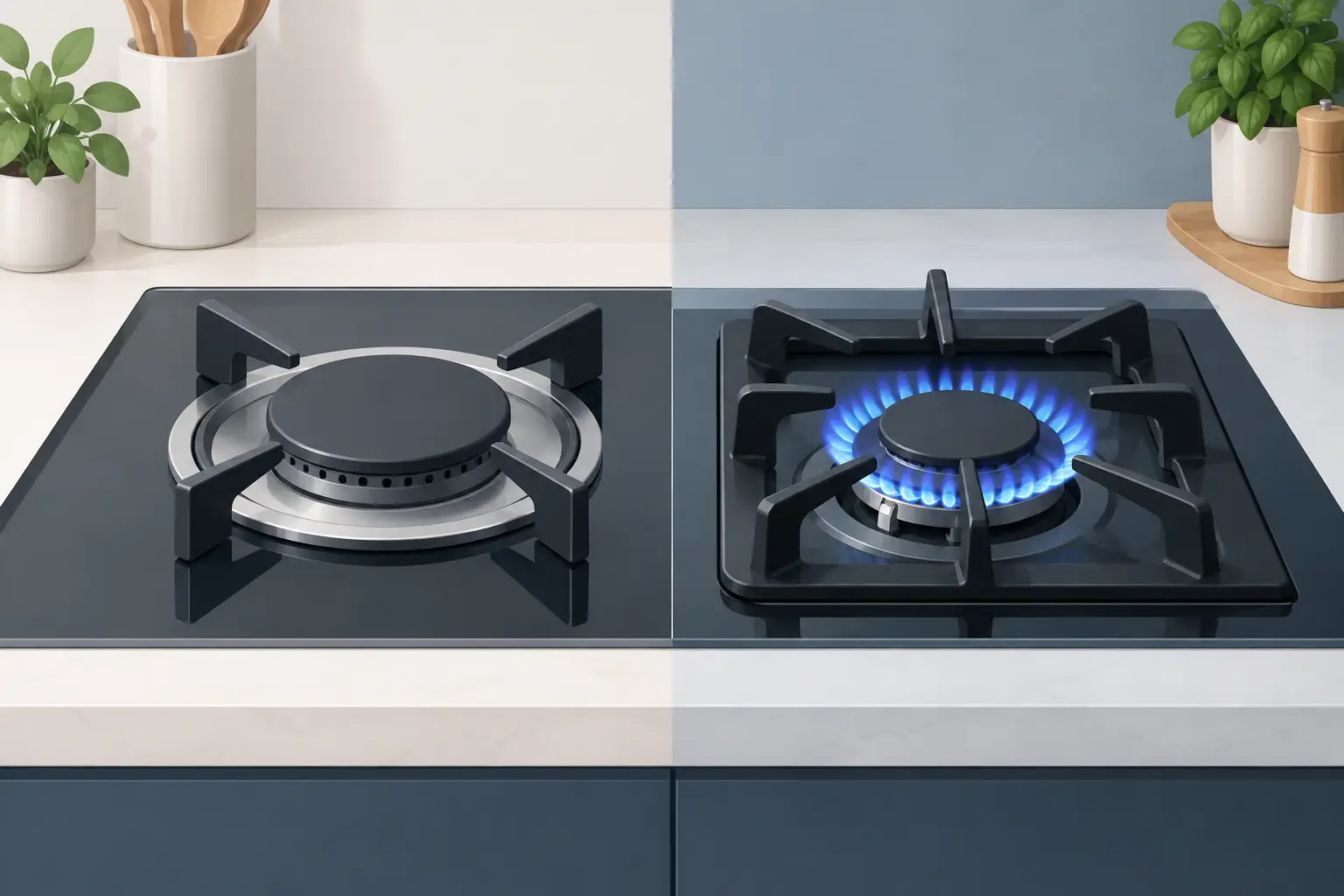
A gas hob can look like a simple kitchen decision until you are wiping up a curry spill after dinner or trying to keep multiple pans moving during a busy service. The choice between sealed versus open burners affects far more than appearance. It shapes how easily you clean, how your cookware sits, how your kitchen handles spills, and whether the hob suits relaxed family meals or high-volume cooking.
For many homes, sealed burners offer the polished convenience expected from a modern kitchen. For demanding commercial settings, open burners can bring the direct, serviceable performance chefs value. Neither design is automatically better. The right choice depends on how often you cook, what you cook, and how much time you want to spend maintaining your equipment.
What Is the Difference Between Sealed and Open Burners?
The distinction comes down to the burner’s construction and what sits beneath the cooking surface.
A sealed burner is designed with the burner assembly enclosed from the cooktop cavity. Its burner base is generally integrated into the hob surface, so liquid and food debris are less likely to travel below the cooking area. Removable parts such as burner caps and pan supports can still be cleaned, but spills stay where you can see and reach them.
An open burner has more exposed space around and below the burner components. This layout is common in commercial cooking equipment, where direct access to burner parts can make cleaning, inspection, and maintenance more straightforward. It may also allow a more powerful, open flame configuration, depending on the appliance design.
The difference is practical rather than purely technical: sealed burners prioritize everyday convenience and a refined finish, while open burners prioritize access and heavy-duty serviceability.
Sealed Versus Open Burners for Everyday Cooking
Sealed burners make cleanup less disruptive
A pot can boil over in seconds. With a sealed burner, that spill is usually contained on the surface of the hob rather than dropping into the burner box below. Once the hob has cooled, you can remove the pan support and burner cap, then wipe the surface clean.
This is a meaningful advantage for households that cook frequently. Sauces, soups, stir-fries, and family meals create enough small spills without turning cleanup into a disassembly task. A sealed gas hob also supports the uncluttered look many homeowners want in an open kitchen, where the cooking zone is part of the room’s overall design.
That does not mean sealed burners are maintenance-free. Burner caps need to be seated correctly after cleaning, and blocked flame ports can affect ignition or create an uneven flame. Regular wiping and a gentle brush around the ports will help preserve consistent performance.
Open burners offer practical access in busy kitchens
Open burners are often favored where equipment is used hard and cleaned thoroughly at the end of a shift. Restaurant teams may value the ability to remove grates and access areas around the burner for deeper cleaning. When a component needs attention, the more exposed construction can also make inspection easier for trained service personnel.
For a home cook, however, that accessibility can come with more frequent cleaning. Crumbs, grease, and liquid may reach spaces beneath the top surface, making a simple spill more involved to manage. If your priority is fast weeknight cooking followed by a quick reset of the kitchen, an open-burner design may ask more of you.
Heat Control Depends on More Than Burner Style
It is easy to assume that open burners always cook hotter or that sealed burners cannot deliver serious performance. In reality, burner style alone does not determine cooking power, response, or precision.
Look at the complete appliance: burner output, flame distribution, grate design, gas flow control, and the quality of the valves all matter. A well-designed sealed burner can provide quick heat for boiling and searing while still offering the low, steady flame needed for simmering sauces. A commercial open burner may be built for larger cookware and sustained output, but its advantages are most useful when the kitchen workload truly calls for them.
For home cooking, the most valuable form of control is often range. You want a burner that moves confidently from high heat for a wok or pasta pot to a low flame for melting chocolate, warming soup, or holding a curry at a gentle simmer. For professional kitchens, output recovery and durability under continuous use may take priority.
Pan support matters too. Stable, well-designed grates keep cookware level, improve confidence when handling heavier pots, and contribute to more comfortable cooking. The best hob is not simply powerful. It makes that power easy to manage.
Safety and Kitchen Comfort
Both burner types can be safe when they are properly installed, used, and maintained. The most useful safety features are not exclusive to sealed or open construction. Look for reliable ignition, stable pan supports, quality flame control, and flame-failure protection where available. Flame-failure systems are designed to stop gas flow if a flame goes out unexpectedly.
Sealed burners do offer a household-friendly benefit: fewer pathways for spills to enter hidden areas. This can make it easier to keep the cooking surface hygienic and reduce the chance of food residue building up beneath the hob. Their flatter, more integrated appearance may also make the cooking zone feel calmer and easier to organize.
Open burners require attentive housekeeping, especially in kitchens where oil, sauces, and food particles are constantly in motion. That is not a flaw. It is part of choosing equipment designed for access and intensive operation. A professional kitchen with a regular cleaning routine may handle this easily, while a busy household may prefer the containment of a sealed design.
Which Burner Type Fits Your Kitchen?
A sealed burner is usually the natural choice for homeowners, families, and enthusiastic everyday cooks. It supports convenient cleaning, modern kitchen styling, and dependable cooking for everything from breakfast eggs to weekend gatherings. If your kitchen is a place for both meal preparation and moments of sharing, a sealed gas hob keeps the experience focused on cooking rather than cleanup.
An open burner may be the better fit for restaurants, caterers, and foodservice operations that need equipment built for demanding daily use. It can also suit serious cooks who prefer accessible components and have the space, ventilation, and cleaning discipline that this style of equipment requires.
There are exceptions. A home chef cooking large batches every day may appreciate commercial-style access and capacity. A small cafe with a compact menu may benefit more from a sealed design that keeps its front-of-house cooking area looking neat. Think about your real routine, not just the appearance or reputation of a burner style.
Questions to Ask Before You Buy
Before choosing a gas hob or cooker, consider how many people you cook for, the size of your most-used pans, and the dishes you prepare most often. A household that relies on soups, braises, and one-pot meals may place cleaning convenience high on the list. A kitchen that regularly handles large stockpots, rapid sautéing, and long service periods may need a more commercial-minded setup.
Also consider the surrounding kitchen. Adequate ventilation, proper gas installation, accessible controls, and enough counter space all contribute to a better cooking experience. A beautiful hob performs best when it is part of a kitchen designed for safe, comfortable workflow.
VEES kitchen solutions are designed around this balance of performance, convenience, and contemporary style. Whether you are planning family meals or building a more productive professional cooking space, choose equipment that supports the way you actually cook.
The right burner should disappear into your routine in the best way: heating quickly when the pace picks up, responding gently when precision matters, and leaving you with more time for the meal and the people waiting to share it.