
Cart 0

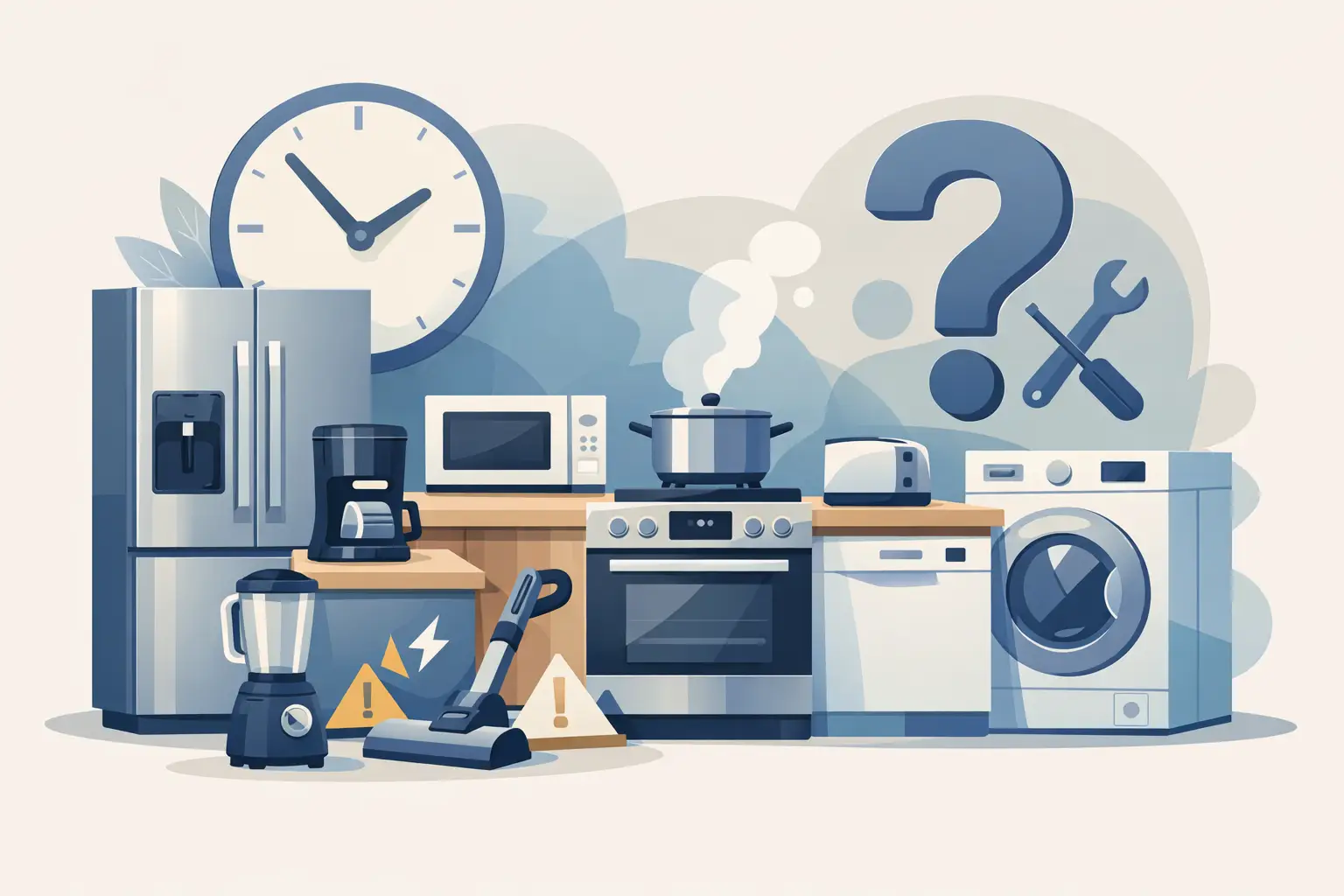
A busy kitchen rarely fails all at once. It starts with an oven that needs an extra 20 minutes, a range hood that no longer clears cooking odors, or a cooktop burner that heats unevenly. Knowing when to replace kitchen appliances helps you act before a small inconvenience disrupts family dinners, slows service, or creates a safety concern.
Replacement is not always the answer. A minor part, professional repair, or a proper deep clean can restore performance. But when reliability, safety, and daily convenience begin to slip, a new appliance can be a practical upgrade that makes every meal easier to prepare and more enjoyable to share.
When to Replace Kitchen Appliances Instead of Repairing
The best decision comes down to three questions: Is the appliance safe? Is it still performing its main job well? And does the cost of repair make sense for its age and condition?
As a general rule, a newer appliance with one isolated issue is often worth repairing, especially when the fix is straightforward. A worn knob, damaged door seal, clogged hood filter, or faulty igniter may not justify replacing the entire unit. Keep the appliance clean, use it as intended, and arrange qualified service when needed.
The calculation changes when problems repeat. If you have paid for repairs several times in a short period, or a repair estimate is close to half the price of a comparable replacement, investing in a new model is usually the smarter long-term choice. This is especially true for appliances used every day, where delays and inconsistent results affect the whole kitchen routine.
For restaurants and other foodservice operations, downtime carries an even higher cost. An unreliable cooker or oven can slow orders, affect food consistency, and place added pressure on the team. Commercial kitchens should treat repeat breakdowns as a workflow issue, not just a maintenance expense.
Safety Signs You Should Never Ignore
Kitchen equipment combines heat, electricity, gas, grease, and frequent use. That means certain warning signs require immediate attention rather than another week of waiting.
Turn off use and arrange professional inspection if you notice a gas smell, a flame that is consistently yellow or irregular, sparks, electrical shocks, tripped breakers, smoke, melted plugs, or scorch marks. An oven door that does not close securely, a cooktop surface with significant cracks, or controls that turn on unpredictably also deserve prompt action.
Range hoods matter here too. Their job is not simply to reduce odors. A properly working hood helps remove smoke, airborne grease, steam, and heat while you cook. If the fan has become unusually loud, airflow remains weak after cleaning the filters, or grease is visibly collecting around the unit, it may be time for service or replacement.
Do not try to work around safety issues by changing cooking habits. A dependable kitchen should support confidence, whether you are preparing a quick weekday meal or managing a busy restaurant shift.
Performance Changes That Signal an Upgrade
Not every appliance announces its age with a dramatic failure. More often, the signs appear in the food and in the time it takes to make it.
Your cooking results are no longer consistent
An oven that bakes one side faster than the other, takes too long to preheat, or cannot maintain temperature can turn simple recipes into guesswork. You may notice cakes that brown unevenly, roasted dishes that need frequent repositioning, or food that is done on the outside but undercooked in the center.
Cooktops create similar frustration. Gas burners that take longer to ignite, flames that do not adjust smoothly, and electric zones with delayed or uneven heating make precise cooking more difficult. When you cook often, consistency is not a luxury. It is what helps you serve a good meal without constantly monitoring every pan.
Cleaning no longer restores function
Grease buildup, blocked filters, and food debris can affect appliance performance. Regular cleaning may revive a hood’s extraction power or help burners operate more efficiently. Yet if you have cleaned and maintained the appliance properly and it still performs poorly, the issue may be internal wear rather than surface buildup.
Pay attention to changes that keep returning. A range hood that loses suction every few months, an oven that repeatedly develops temperature issues, or a cooker that needs constant adjustment is asking more of your time than it should.
The appliance no longer fits the way you cook
Sometimes the appliance works, but your household or business has outgrown it. A family that now cooks larger meals may need more oven capacity or a cooktop layout that accommodates several pans at once. An avid home cook may benefit from faster, more responsive heat control. A growing café or restaurant may need equipment designed for longer operating hours and greater volume.
Replacing an appliance in this situation is not about discarding something functional. It is about choosing a kitchen solution that matches the life happening around it.
Age Matters, But It Is Not the Whole Story
Many cooking appliances can provide years of dependable service, but there is no single replacement age that applies to every kitchen. Usage, installation quality, maintenance, ventilation, and the availability of replacement parts all matter.
A lightly used oven in a well-maintained home may remain reliable longer than a newer unit used intensively every day. In a commercial setting, the same equipment may face repeated heating cycles, heavy cookware, grease exposure, and continuous operation. Its replacement timeline will naturally be shorter.
Instead of replacing based on age alone, use age as context. If an older appliance needs its first minor repair and still performs well, repair may be sensible. If it is older, inefficient, difficult to source parts for, and increasingly unreliable, replacement is likely the more confident choice.
Consider Efficiency, Ventilation, and Kitchen Design
A replacement is an opportunity to solve more than one problem. Modern appliances can improve heat control, shorten cooking times, simplify cleanup, and bring a more refined look to the kitchen. The benefit is not merely aesthetic. Better design can make the daily flow from prep to cooking to cleanup feel more organized.
Think about how each appliance works with the others. A powerful cooktop deserves ventilation that can keep pace with your cooking style. An oven should fit your usual portions, bakeware, and preferred recipes. If you are redesigning cabinetry or changing the layout, confirm dimensions, electrical requirements, gas connections, and ventilation routes before selecting a model.
For homeowners, this planning prevents an elegant new appliance from becoming an installation headache. For business owners, it helps protect workflow, compliance needs, and the ability to serve customers without unnecessary interruption.
A Practical Replacement Checklist
Before making a decision, look at the complete picture:
- Safety concerns such as gas odors, sparks, cracked surfaces, or unreliable controls
- Repeated repairs or repair costs that approach the value of replacement
- Uneven heating, weak extraction, slow performance, or inconsistent cooking results
- A lack of available parts or service support for an older model
- Changing household needs, kitchen layout, or commercial demand
- The value of improved efficiency, easier cleaning, modern appearance, and dependable daily use
It also helps to keep a simple record of repairs, unusual noises, and performance changes. This turns a vague feeling that an appliance is “not quite right” into a clear decision based on cost, safety, and use.
Choose for the Meals and Moments Ahead
The right replacement should feel like a step forward every time you cook. Look for equipment built around your real habits: quick breakfasts, weekend gatherings, frequent entertaining, high-volume service, or the steady pace of family meals. Prioritize reliable heat, intuitive controls, durable materials, effective ventilation, and a style that belongs in your space.
VEES kitchen solutions are designed around that balance of performance, safety, and contemporary living, helping kitchens work beautifully when the people around them need them most. Choose an appliance that gives you confidence at the first turn of the knob and leaves more room for the moments worth sharing.