
Cart 0

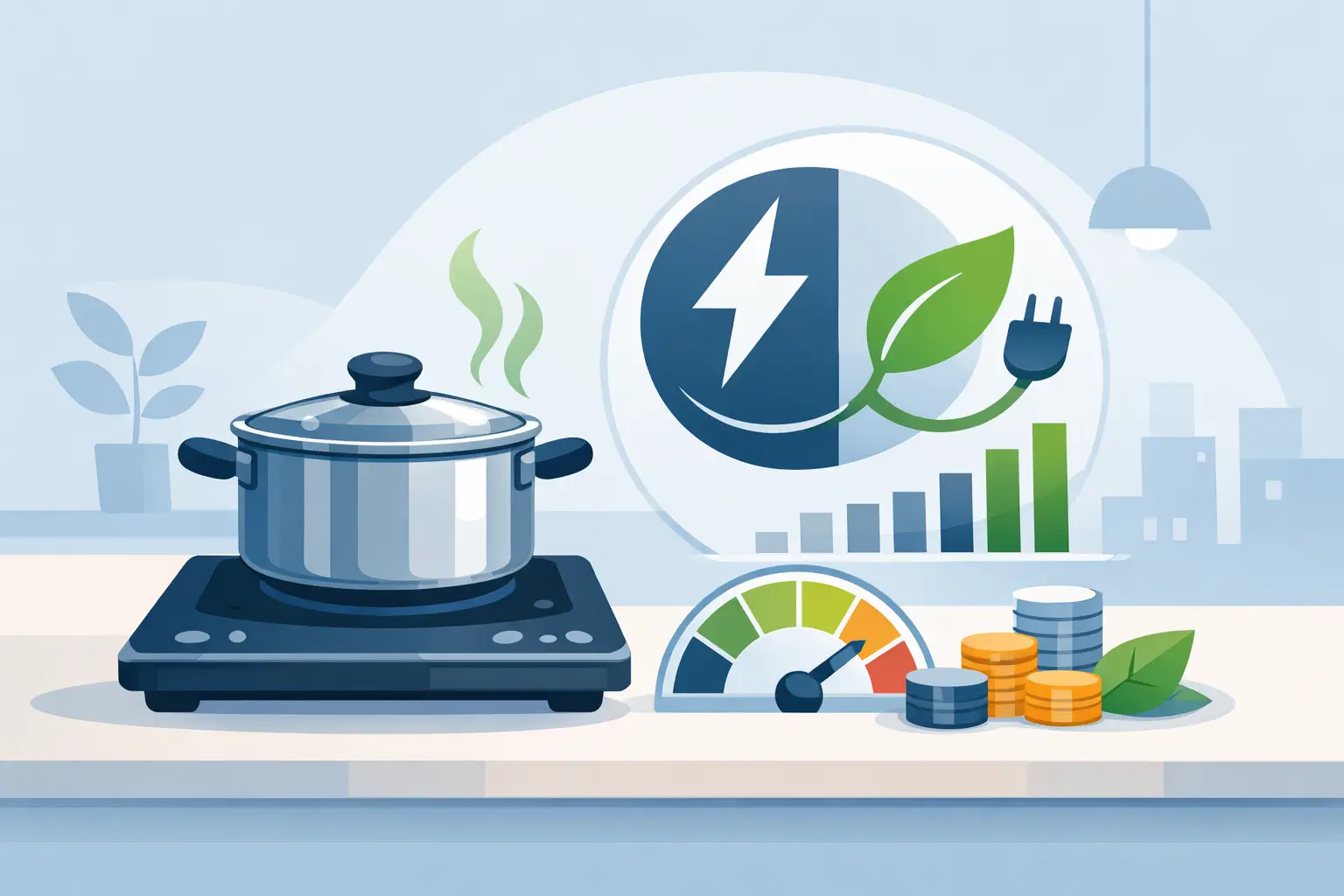
That weeknight moment matters – the rice is simmering, soup is nearly ready, and you want dinner on the table without watching energy costs climb. So, are electric cookers energy efficient? In many kitchens, yes – especially when they are used for the right tasks, sized properly, and paired with good cooking habits. The real answer depends on how the cooker generates heat, how long it runs, and whether it is replacing a less efficient way of cooking.
For families, home cooks, and busy food businesses, energy efficiency is not just about lower utility bills. It also affects kitchen comfort, cooking speed, and how smoothly the day runs. An appliance that heats quickly, holds temperature well, and avoids wasted heat can make daily cooking feel easier while supporting a more modern, dependable kitchen setup.
Are electric cookers energy efficient in real use?
Electric cookers are generally efficient because they turn a large share of electricity into usable heat at the cooking surface or inside the pot. Unlike gas cooking, there is no open flame and less heat escaping into the room. That means more of the energy you pay for can go directly into cooking food.
But efficiency on paper and efficiency in real life are not always the same. A small electric cooker used to prepare rice, porridge, soup, noodles, or one-pot meals can be very efficient because it heats a compact area and often shuts down or cycles to keep food warm without constant full-power use. A large cooker running half-empty for long periods will naturally use more electricity than necessary.
This is where product design matters. A well-built electric cooker with steady heating, durable internal components, and effective insulation tends to deliver better performance over time. It cooks with less guesswork and wastes less energy through uneven heating or heat loss.
What makes an electric cooker efficient?
The biggest factor is heat transfer. If the heat goes straight into the cooking chamber or pot and stays there, the cooker works efficiently. If heat leaks out, takes too long to build, or cycles poorly, you use more energy for the same result.
Wattage is part of the story, but it is not the whole story. A higher-wattage cooker may sound less efficient, yet it can actually cook faster and spend less total time drawing power. A lower-wattage model may use less electricity per minute but take much longer to finish the same meal. The better measure is total energy used for the complete cooking task.
Insulation also plays a major role. Electric cookers that retain heat well do not need to keep reheating aggressively. That matters for dishes that simmer, steam, or stay warm after cooking. Good insulation improves efficiency and also supports better consistency, which is valuable in both family kitchens and commercial prep environments.
Then there is temperature control. A cooker that can maintain a stable temperature avoids the stop-start extremes that waste electricity and affect food quality. Precision cooking is not just a performance feature – it is part of energy-smart design.
Electric cookers vs gas stoves
This is where many buyers start asking tougher questions. Gas often feels powerful and familiar, and in some regions it may cost less per unit of energy than electricity. But cost and efficiency are not the same thing.
Gas stoves lose a noticeable amount of heat to the surrounding air. You can feel it while standing nearby. That extra room heat may be unwelcome in a warm kitchen, especially during long cooking sessions. Electric cookers, especially enclosed or direct-contact designs, usually waste less ambient heat.
For smaller meals and contained cooking tasks, electric cookers often come out ahead in practical efficiency. They are designed to focus heat where it is needed, and many models switch automatically into warm mode once food is done. A gas burner left on low for an extra 20 minutes may quietly use more energy than expected.
That said, gas can still be useful for certain cooking styles that rely on very high immediate heat or visual flame control. If your cooking is mostly stir-frying in large pans, gas may suit the workflow better. If your routine includes rice, soups, stews, steaming, braising, and everyday family meals, electric cookers can be a strong efficiency choice.
Are electric cookers cheaper to run?
They can be, but this depends on local utility rates, cooking frequency, and what appliance the cooker replaces. An electric cooker may use less total energy than turning on a full-size oven or maintaining a stovetop pot for an extended period. In that kind of comparison, it often saves money.
For example, making rice in a dedicated electric cooker is usually more economical than using a large burner and manually monitoring the pot. The same can apply to porridges, soups, and slow-cooked dishes. The appliance is built for that exact function, so less heat is wasted and less attention is required.
In commercial settings, the equation shifts slightly. If an electric cooker is used continuously at high volume, total energy use will rise with demand. Even so, efficient operation can still improve if the equipment is matched to output needs, maintained well, and used as part of a streamlined kitchen flow. Reliability becomes just as valuable as the energy figure itself, because downtime and inconsistent cooking create hidden costs.
How cooking habits affect efficiency
The appliance matters, but the user matters too. Even an efficient electric cooker can waste energy if it is used carelessly.
Lifting the lid too often lets heat escape and extends cooking time. Filling the cooker far beyond or far below its ideal capacity can reduce performance. Using the wrong setting for the dish can also stretch cooking time unnecessarily. These may seem like small habits, but over months of daily cooking they add up.
Cookware compatibility matters as well if the cooker uses a removable pot or direct-contact heating surface. A pot with a flat base and good heat conduction will cook more evenly and efficiently than one that warps or traps heat poorly. Keeping heating surfaces clean also helps, because residue can interfere with proper heat transfer.
Prepping ingredients before turning the cooker on is another simple improvement. If the appliance sits running while you chop vegetables or measure ingredients, that is wasted energy. In busy kitchens, a more organized workflow often leads to better efficiency without changing the appliance at all.
When electric cookers are most efficient
Electric cookers perform best when the job matches the appliance. They are especially efficient for meals that benefit from enclosed heat, controlled moisture, and set-it-and-manage-less convenience. Rice, grains, steamed dishes, soups, broths, curries, beans, and slow-cooked meals are good examples.
They also make sense in homes that cook frequently but do not always need the scale of a full oven or several active burners. Instead of heating a large appliance for a modest meal, an electric cooker can deliver focused performance with less waste.
For modern households, this matters beyond utility bills. A cooler kitchen, simpler cleanup, and more predictable results all contribute to a better daily cooking experience. That is part of efficiency too – not only energy saved, but effort saved.
Are all electric cookers equally efficient?
No, and this is where buyers should look beyond the price tag. Build quality, heating consistency, safety features, insulation, capacity, and control design all affect real-world efficiency. A cheaper model may work, but if it cooks unevenly, loses heat quickly, or wears out sooner, the long-term value drops.
A well-designed electric cooker should feel dependable in everyday use. It should heat with confidence, hold temperature properly, and fit the pace of the kitchen. For households, that means easier meal preparation and less stress. For businesses, it means steady output and equipment that can support demand without constant adjustment.
This is why many buyers now look for appliances that combine performance with thoughtful design. Efficiency is not only about consuming less power. It is about getting better results from the power used.
The smarter way to think about energy efficiency
If you are asking whether electric cookers are worth it, the better question may be this: efficient compared to what? Compared to a full-size oven for a simple rice dish, often yes. Compared to an uncovered pot on the stove for a long simmer, often yes. Compared to every cooking method in every situation, not always.
The strongest advantage of an electric cooker is that it brings control, convenience, and focused heat into one appliance. For the right meals, that translates into genuine efficiency and a smoother cooking routine. Brands such as VEES build around that idea – making life easier through reliable, modern cooking performance that supports both the food and the flow of the kitchen.
If you cook often and want an appliance that saves effort while using energy wisely, an electric cooker is a smart addition. Choose one that suits your cooking volume, use it with intention, and it will do more than trim power use – it will make everyday cooking feel lighter, faster, and more enjoyable.