
Cart 0

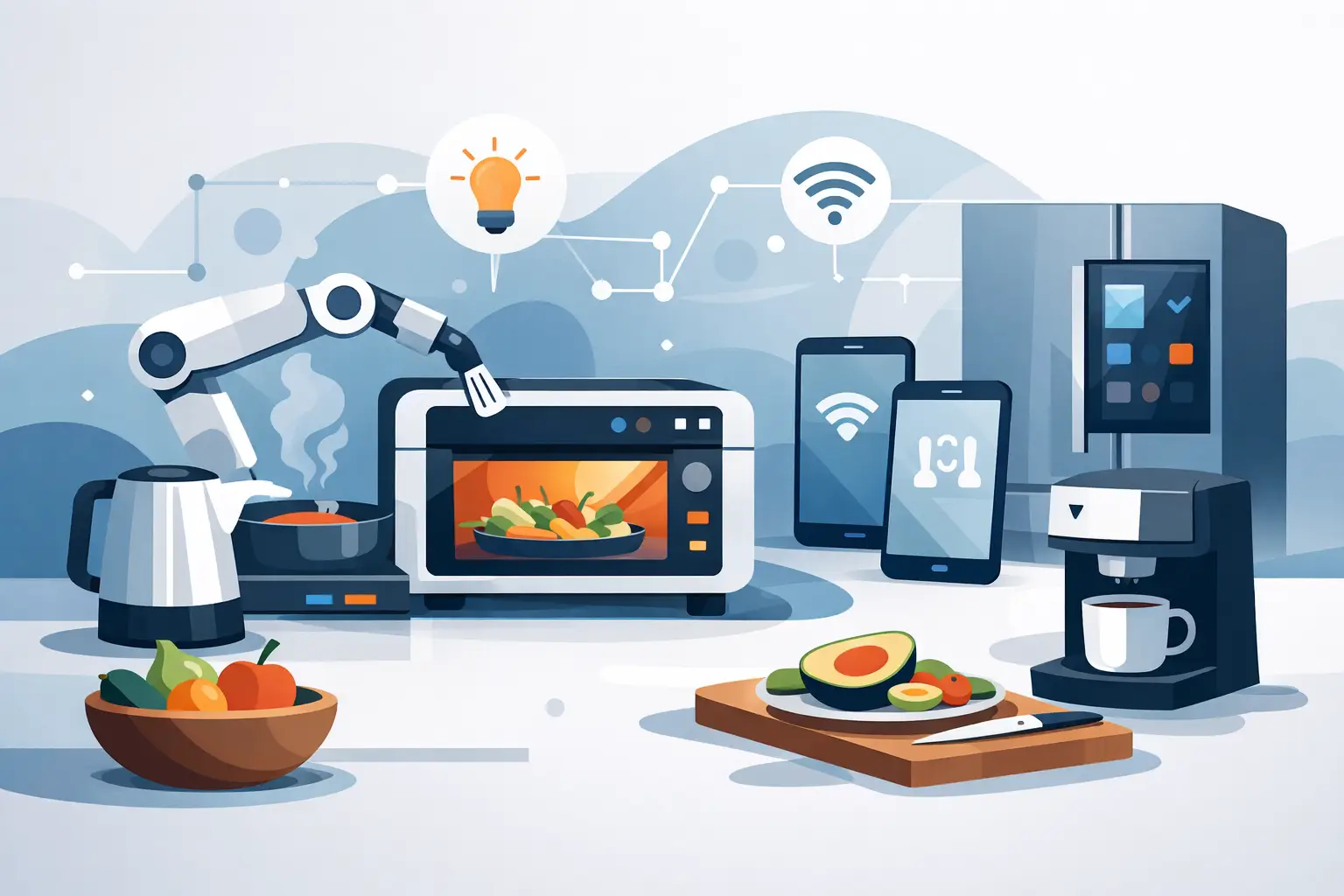
A kitchen starts to feel dated long before the cabinets wear out. Usually, it happens when cooking takes more effort than it should, cleanup interrupts the rhythm of a meal, or appliances cannot keep up with the pace of daily life. That is why smart kitchen appliance trends are getting real attention from homeowners, families, and food businesses alike. People are not just looking for gadgets. They want kitchens that work faster, look better, and support more consistent results.
For a busy household, that might mean an oven that helps manage timing and temperature with less guesswork. For a restaurant or café, it might mean equipment that improves speed during peak hours without compromising safety or control. The smartest trends are not about novelty. They are about practical performance, better workflow, and a kitchen that feels designed around the way people actually cook.
Smart kitchen appliance trends are becoming more practical
A few years ago, the smart kitchen category leaned heavily on flashy features. App controls and voice commands attracted attention, but many buyers still wondered whether those features changed the cooking experience in a meaningful way. That question has pushed the market in a better direction.
Today, the strongest smart kitchen appliance trends are focused on usefulness first. The technology is becoming quieter in the best sense. It is there to simplify preheating, improve heat consistency, reduce wasted energy, and make routine tasks feel less repetitive. In other words, the value now comes from less friction in the kitchen, not more complexity on a screen.
That shift matters because most people do not want to manage appliances like they manage phones. They want reliable tools that save time and support confidence. A smart appliance earns its place when it helps dinner get on the table faster, keeps a commercial kitchen moving smoothly, or adds safety without creating another learning curve.
Precision cooking is moving into everyday kitchens
One of the clearest changes in the market is the rise of precision-focused appliances for regular home use. Better sensors, more stable heating systems, and improved digital controls are bringing a level of consistency that used to feel more professional than domestic.
This is especially visible in ovens, electric cookers, and hobs. Home cooks are paying closer attention to even heating, fast response times, and programmable functions that reduce overcooking or uneven results. These features are not just for ambitious weekend recipes. They help with everyday meals, from roasting chicken evenly to getting stir-fry heat under control before vegetables lose texture.
In commercial settings, precision is even more valuable. Consistency affects food quality, timing, labor, and customer satisfaction. Equipment that can maintain dependable performance throughout a busy service period becomes more than convenient. It becomes operationally important.
The trade-off is that more precise systems can come with a higher upfront cost. But for many buyers, especially those who cook often, the return is felt quickly through better results and fewer mistakes.
Connected features are staying, but only when they save time
Connectivity is still part of the smart kitchen story, but expectations have changed. Consumers are becoming more selective. They are less impressed by features that feel like decoration and more interested in controls that remove small but frequent inconveniences.
Remote monitoring, cooking notifications, and programmable settings make sense when they solve real problems. If a user can preheat the oven while finishing work, check cooking progress without standing in the kitchen, or save preferred settings for repeat meals, the technology feels worthwhile. In a professional environment, that kind of control can help teams stay organized during rush periods.
What buyers are moving away from is connectivity for its own sake. If an app is confusing, unreliable, or packed with features no one uses, it starts to feel like extra maintenance. The best smart appliances are now designed around simple interaction. The technology should feel supportive, not demanding.
This is one reason brands with strong product fundamentals are in a good position. Connectivity only adds value when the core appliance already performs well in speed, durability, and safety.
Energy efficiency is no longer a side benefit
Energy-conscious design has become one of the most important smart kitchen appliance trends, and not only because utility costs matter. Buyers increasingly connect efficiency with overall product quality. An appliance that heats faster, holds temperature more effectively, and minimizes wasted power often delivers a better cooking experience at the same time.
For homeowners, efficient appliances can lower long-term running costs while making daily cooking feel more responsive. Faster heat-up times and better insulation reduce waiting, which matters on busy weeknights. For commercial operators, the savings can be far more significant because equipment runs longer and harder every day.
There is also a design benefit here. Efficient systems often support cleaner, more refined appliance construction, which aligns with the modern kitchen aesthetic many buyers want. Performance and appearance are no longer separate conversations.
That said, efficiency claims should always be considered in context. The most efficient option is not automatically the best fit if it lacks the capacity, durability, or power level a user actually needs. The right choice depends on cooking habits, kitchen size, and workload.
Safety is getting smarter and more integrated
Smart features used to center on convenience. Increasingly, they also focus on reducing risk. This is a major development for families, shared households, and commercial kitchens where speed can sometimes lead to distraction.
Automatic shutoff functions, heat indicators, child-lock features, improved ventilation coordination, and alert systems are becoming more common across modern appliances. These features matter because they support peace of mind without interrupting the cooking flow. In busy households, that can mean fewer worries when multiple dishes are going at once. In a restaurant kitchen, it can help create a more controlled working environment.
The strongest products build safety into the overall design rather than presenting it as a single added feature. Durable construction, stable controls, reliable ignition, and dependable ventilation all contribute to a safer kitchen. Smart technology strengthens that foundation when it helps users react faster and operate with more confidence.
Design-led appliances are shaping buying decisions
Performance still leads the conversation, but appearance now carries real weight. Buyers want appliances that match a modern kitchen instead of disrupting it. As a result, one of the most visible smart kitchen appliance trends is the move toward cleaner lines, integrated finishes, and controls that feel refined rather than overly technical.
This is not only a residential trend. Open kitchens, display cooking areas, and customer-facing foodservice spaces have made visual presentation important for commercial operators too. Equipment needs to look professional while standing up to serious daily use.
The key difference today is that design is being treated as part of usability. A well-designed hob is easier to clean. An oven with a clear interface reduces confusion. A range hood that combines strong extraction with a sleek profile improves both comfort and appearance. The most successful appliances are not choosing between beauty and function. They are combining both in a way that feels natural.
That balance is exactly why many buyers are looking for brands that understand kitchen performance and living experience together. VEES has built its reputation around that overlap, offering appliances designed to make cooking faster, easier, and more elegant without losing sight of durability and safety.
Multi-function appliances are replacing one-task products
Another major shift is the growing demand for appliances that do more than one job well. People are more selective about what earns counter space or floor space, especially in urban homes and high-output commercial kitchens where layout matters.
This trend does not mean every appliance should try to do everything. In fact, buyers are becoming more skeptical of products that promise too much and deliver mediocre results. What they do want is thoughtful versatility. Ovens with more adaptable cooking modes, cookers that support different meal styles, and ventilation systems that better respond to varying kitchen demands are all part of this movement.
The reason is simple. Multi-function design improves efficiency. It reduces clutter, supports smoother workflow, and often makes the kitchen feel more intentional. For families, that can mean less equipment crowding the space. For professionals, it can help teams move faster without constantly switching between specialized tools.
What these trends mean before you buy
The smartest purchase is not always the newest model with the longest feature list. It is the appliance that matches how the kitchen actually works. A family that cooks every night may benefit most from fast heating, easy cleaning, and safety-focused controls. A food business may prioritize durability, output, and consistent performance under pressure.
That is why the current wave of smart kitchen innovation is more promising than earlier versions. The market is maturing. Features are becoming more relevant, designs are becoming more refined, and buyers are asking sharper questions. They want appliances that fit real routines, not showroom demos.
If you are watching the category closely, the pattern is clear. The best smart kitchens are not built on gimmicks. They are built on better decisions about speed, control, energy use, safety, and design. Choose appliances that make daily cooking feel easier and more confident, and the technology will prove its value where it matters most – in the moments you share around the table.